Introduction
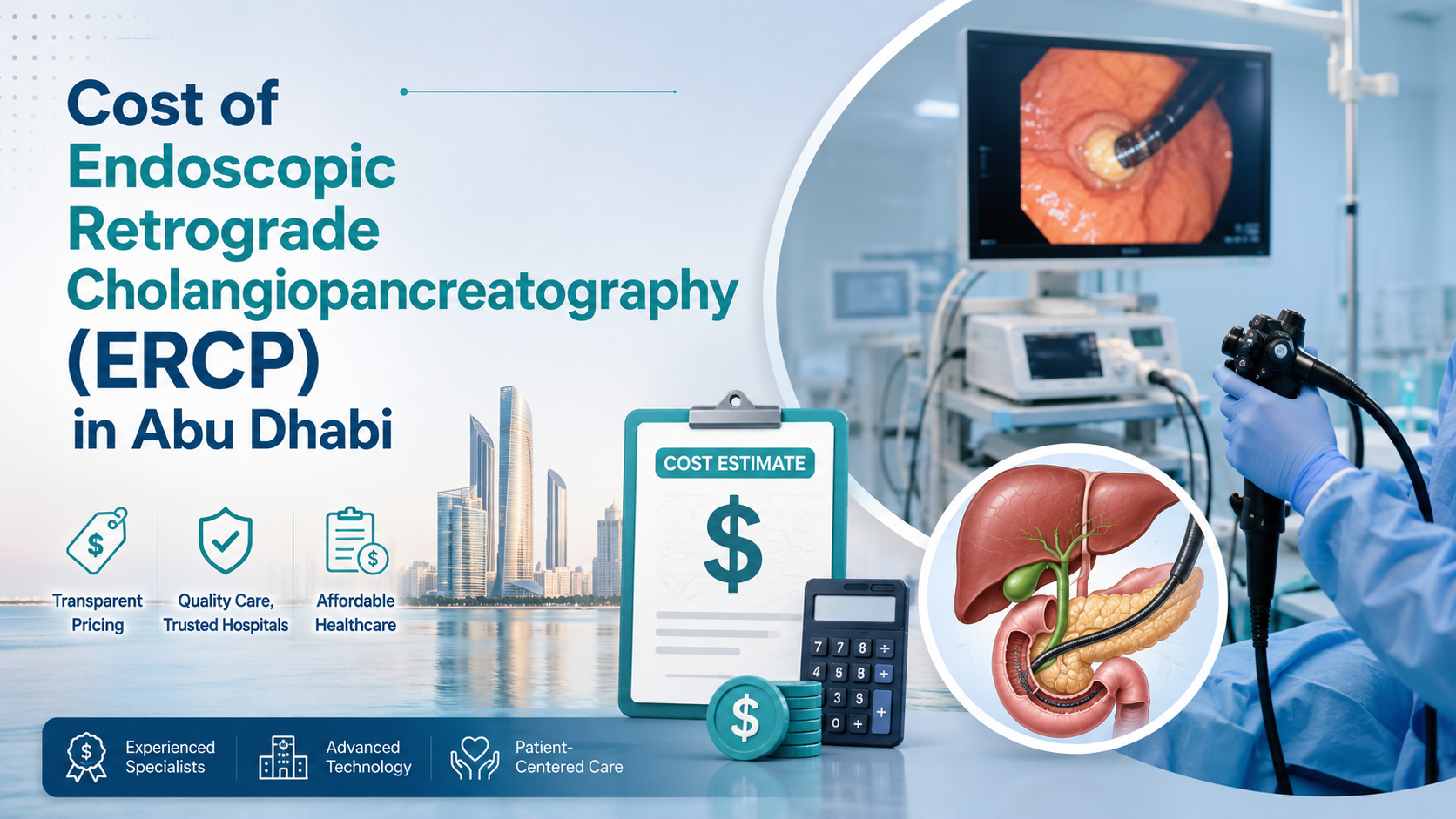
Endoscopic Retrograde Cholangiopancreatography (ERCP) is a specialized procedure used to diagnose and treat disorders affecting the bile ducts, gallbladder, pancreas, and pancreatic ducts. In Abu Dhabi, ERCP is typically performed in tertiary hospitals and advanced gastroenterology centers equipped with endoscopy suites and anesthesia support.
Patients frequently seek information about ERCP costs because pricing can vary significantly depending on the complexity of the procedure, hospital facility fees, anesthesia requirements, imaging guidance, and whether therapeutic interventions such as stone removal or stent placement are needed.
Understanding the potential expenses, benefits, risks, and alternatives can help patients make informed healthcare decisions.
Featured Snippet Answer
How much does ERCP cost in Abu Dhabi?
The cost of ERCP in Abu Dhabi commonly varies based on:
- Hospital type
- Specialist gastroenterologist fees
- Sedation or anesthesia requirements
- Diagnostic versus therapeutic ERCP
- Biliary stent placement
- Stone extraction procedures
- Hospital admission needs
- Insurance coverage
Patients may encounter additional costs for laboratory tests, imaging studies, pathology analysis, medications, and follow-up appointments.
Because pricing differs among healthcare providers, obtaining a personalized estimate from the treating facility is recommended.
Key Takeaways
- ERCP combines endoscopy and fluoroscopic imaging to evaluate bile and pancreatic ducts.
- Costs are influenced by procedure complexity and required interventions.
- Therapeutic ERCP generally costs more than diagnostic ERCP.
- Insurance coverage varies according to policy terms and medical necessity.
- ERCP may prevent the need for more invasive surgery in selected patients.
- Complications can occur and should be discussed before treatment.
- Patients should understand both direct and indirect healthcare expenses.
What Is ERCP?
ERCP is a minimally invasive procedure that combines:
- Endoscopy
- Contrast imaging
- Fluoroscopy (real-time X-ray guidance)
A flexible endoscope is passed through the mouth into the duodenum, where specialized instruments access the biliary and pancreatic duct systems.
ERCP is primarily considered a therapeutic procedure today rather than a purely diagnostic test.
Symptoms That May Lead to ERCP
| Symptom | Possible Underlying Cause |
|---|---|
| Jaundice | Bile duct obstruction |
| Dark urine | Cholestasis |
| Pale stools | Blocked bile flow |
| Persistent abdominal pain | Pancreatic or biliary disease |
| Fever with jaundice | Cholangitis |
| Recurrent pancreatitis | Duct obstruction |
| Unexplained abnormal liver tests | Biliary pathology |
| Itching (pruritus) | Bile flow impairment |
Causes and Conditions Treated With ERCP
ERCP may be used for:
- Common bile duct stones
- Biliary strictures
- Pancreatic duct strictures
- Chronic pancreatitis
- Bile leaks
- Certain pancreatic disorders
- Suspected malignant obstruction
- Post-surgical biliary complications
Factors Affecting ERCP Cost in Abu Dhabi
1. Diagnostic vs Therapeutic ERCP
Diagnostic procedures are generally less complex than interventions involving:
- Stone extraction
- Sphincterotomy
- Stent insertion
- Tissue sampling
2. Hospital Category
Costs may differ between:
- Government facilities
- Private hospitals
- Specialty gastroenterology centers
- International healthcare institutions
3. Anesthesia Requirements
Some patients require:
- Conscious sedation
- Deep sedation
- General anesthesia
More intensive anesthesia support typically increases overall costs.
4. Additional Imaging
Patients may need:
- Ultrasound
- MRCP
- CT scanning
- Blood tests
These expenses are often separate from ERCP charges.
5. Hospital Stay
Although many ERCP procedures are performed as day cases, some patients require:
- Observation
- Overnight admission
- Management of complications
Risk Factors for Biliary and Pancreatic Disorders
Common risk factors include:
- Gallstones
- Older age
- Obesity
- Chronic alcohol use
- Smoking
- Certain hereditary conditions
- Previous pancreatic disease
- Liver disorders
How ERCP Is Diagnosed and Planned
Before ERCP, physicians typically review:
- Medical history
- Symptoms
- Blood investigations
- Liver function tests
- Imaging findings
Diagnostic imaging may include:
- Abdominal ultrasound
- CT scan
- MRI
- Magnetic Resonance Cholangiopancreatography (MRCP)
Differential Diagnosis
Several conditions can mimic biliary obstruction or pancreatic disease.
| Condition | Similar Features | Distinguishing Factors |
|---|---|---|
| Gallstones | Pain, jaundice | Stones visible on imaging |
| Hepatitis | Elevated liver enzymes | Viral or inflammatory findings |
| Pancreatic cancer | Jaundice, weight loss | Mass lesion on imaging |
| Cholangiocarcinoma | Biliary obstruction | Tumor within bile ducts |
| Acute pancreatitis | Abdominal pain | Elevated pancreatic enzymes |
| Benign strictures | Obstruction symptoms | Non-cancerous narrowing |
Treatment Options
ERCP-Based Treatments
- Stone extraction
- Biliary drainage
- Stent placement
- Stricture dilation
- Tissue biopsy
- Sphincterotomy
Alternative Treatments
| Treatment | When Considered |
|---|---|
| MRCP | Non-invasive duct imaging |
| Endoscopic ultrasound | Detailed pancreatic evaluation |
| Surgery | Complex cases |
| Percutaneous drainage | Selected obstructions |
| Observation | Mild or resolving conditions |
Medication Considerations
Before ERCP, clinicians may review:
- Blood thinners
- Antiplatelet medications
- Diabetes medications
- Blood pressure medications
- Antibiotic requirements
Patients should never discontinue prescribed medications without medical guidance.
Side Effects and Risks
Although ERCP is commonly performed, complications may occur.
| Potential Complication | Description |
|---|---|
| Pancreatitis | Most recognized ERCP-related complication |
| Bleeding | Can occur after interventions |
| Infection | Biliary infection risk |
| Perforation | Rare but serious complication |
| Sedation reactions | Medication-related adverse effects |
| Cardiopulmonary events | Rare anesthesia-related complications |
Risk varies depending on patient characteristics and procedure complexity.
Insurance Coverage in Abu Dhabi
Insurance coverage often depends on:
- Medical necessity
- Policy limits
- Network provider status
- Pre-authorization requirements
- Employer-sponsored benefits
Patients should confirm coverage details directly with their insurer before scheduling treatment.
Prevention Guidance
Not all biliary or pancreatic disorders can be prevented, but risk reduction strategies include:
- Maintaining a healthy weight
- Managing cholesterol levels
- Avoiding tobacco use
- Limiting excessive alcohol consumption
- Following medical advice for gallstone disease
- Seeking prompt evaluation for persistent symptoms
Prognosis and Recovery
Recovery varies according to:
- Underlying condition
- Therapeutic intervention performed
- Presence of complications
- Overall health status
Many patients return to routine activities within a short period following uncomplicated ERCP, although individualized recovery timelines differ.
Emergency Warning Signs After ERCP
Seek urgent medical attention if any of the following occur:
- Severe abdominal pain
- Persistent vomiting
- High fever
- Chills
- Significant bleeding
- Difficulty breathing
- Black stools
- Jaundice that worsens
These symptoms may indicate a complication requiring immediate evaluation.
Evidence-Based Insights
Current clinical practice generally reserves ERCP primarily for therapeutic purposes rather than routine diagnosis.
Modern imaging techniques such as:
- MRCP
- Endoscopic ultrasound (EUS)
often provide diagnostic information without the procedural risks associated with ERCP.
ERCP remains an important intervention for managing bile duct stones, obstructive jaundice, strictures, and selected pancreatic disorders when treatment is required.
Clinical Comparison Table
| Feature | ERCP | MRCP |
|---|---|---|
| Invasive | Yes | No |
| Sedation Required | Usually | No |
| Treatment Capability | Yes | No |
| Radiation Exposure | Yes | No |
| Stone Removal | Yes | No |
| Stent Placement | Yes | No |
| Diagnostic Value | High | High |
Cost Components Patients Should Ask About
| Cost Category | May Be Included? |
|---|---|
| Gastroenterologist fee | Varies |
| Facility fee | Varies |
| Anesthesia fee | Varies |
| Fluoroscopy use | Varies |
| Laboratory testing | Often separate |
| Imaging studies | Often separate |
| Stent placement | Additional cost possible |
| Hospital admission | Additional cost possible |
| Follow-up visits | May be billed separately |
Frequently Asked Questions
1. Is ERCP painful?
Patients are typically sedated during the procedure, minimizing discomfort. Some mild throat irritation or abdominal discomfort may occur afterward.
2. How long does ERCP take?
Procedure duration varies depending on complexity, but many ERCP procedures are completed within one to two hours.
3. Is ERCP covered by health insurance in Abu Dhabi?
Coverage depends on the insurance policy, medical necessity criteria, network status, and pre-authorization requirements.
4. What is the difference between ERCP and MRCP?
MRCP is a non-invasive imaging test, whereas ERCP can both diagnose and treat certain biliary and pancreatic conditions.
5. Who performs ERCP?
ERCP is typically performed by specially trained gastroenterologists with advanced endoscopy expertise.
6. What is the most common complication of ERCP?
Post-ERCP pancreatitis is among the most recognized complications, although most procedures are completed without serious adverse events.
7. Can ERCP remove gallstones?
ERCP can remove stones located within the common bile duct but does not remove the gallbladder itself.
8. When should someone seek urgent care after ERCP?
Severe pain, fever, bleeding, persistent vomiting, or breathing difficulties warrant immediate medical evaluation.
9. Are there alternatives to ERCP?
Depending on the clinical situation, alternatives may include MRCP, endoscopic ultrasound, surgery, or percutaneous interventions.
Suggested Internal Links
- Understanding Gallstones and Bile Duct Stones
- Causes of Obstructive Jaundice
- MRCP vs ERCP: Key Differences
- Pancreatitis Symptoms and Treatment
- What to Expect During Endoscopy
- Health Insurance Coverage for Gastrointestinal Procedures
- Biliary Stent Placement Guide
Conclusion
ERCP is an important advanced endoscopic procedure used to diagnose and treat disorders affecting the bile ducts and pancreas. In Abu Dhabi, the total cost can vary substantially depending on the healthcare facility, procedural complexity, anesthesia needs, hospital stay requirements, and insurance coverage. Patients should obtain individualized cost estimates, understand potential risks and benefits, and discuss treatment alternatives with a qualified gastroenterology specialist before proceeding.
Medical Disclaimer
This article is intended for educational purposes only and should not be considered medical advice, diagnosis, or treatment. Medical decisions should always be made in consultation with a qualified healthcare professional who can evaluate individual circumstances, symptoms, and health history. Healthcare costs, insurance benefits, and treatment recommendations may vary between providers and patients.
Leave a Reply