Blog

  • Cost of Stereotactic Radiosurgery (CyberKnife) in Abu Dhabi: Pricing, Insurance, Benefits, and Patient Guide (2026)

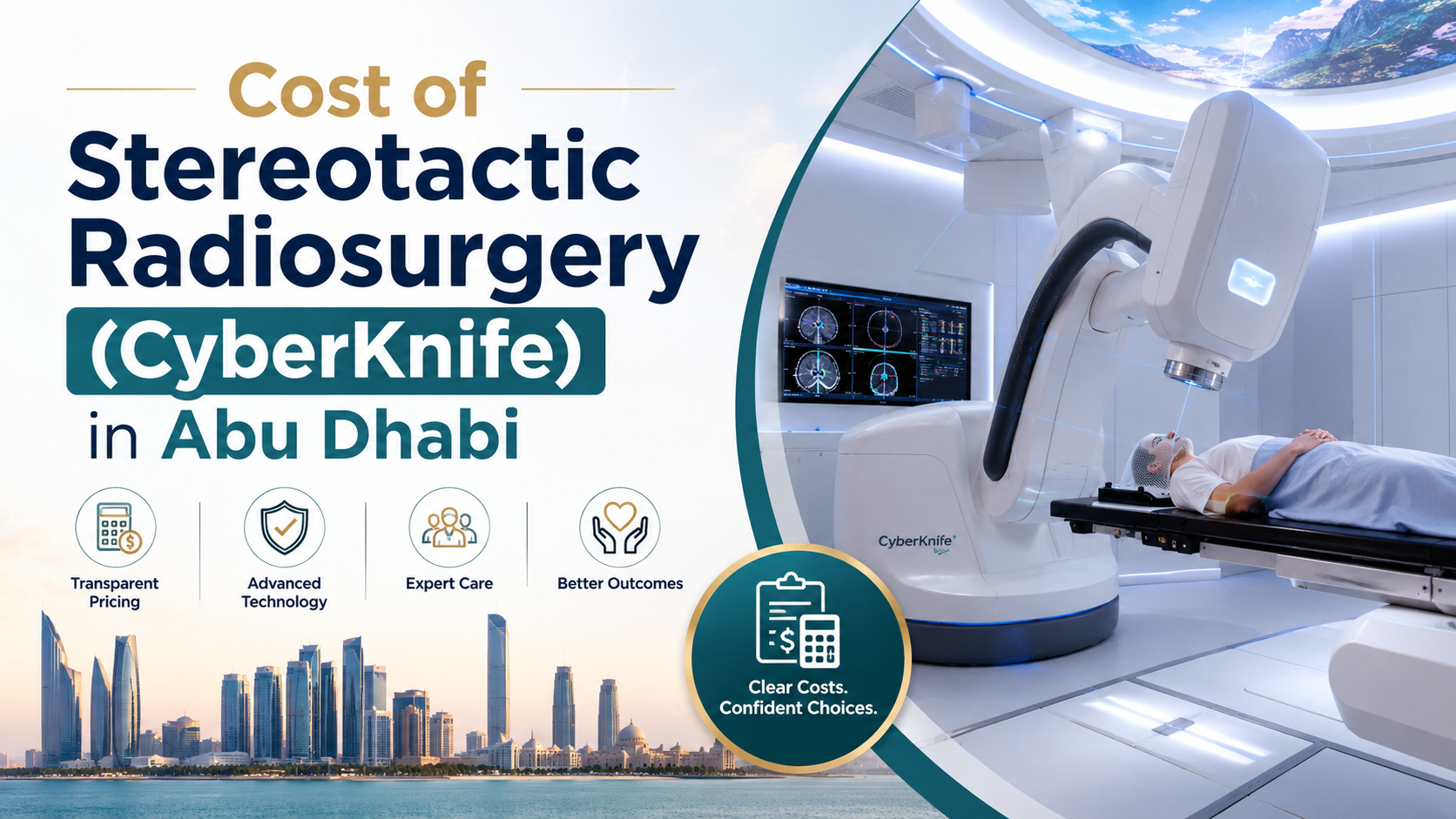
    Cost of Stereotactic Radiosurgery (CyberKnife) in Abu Dhabi: Pricing, Insurance, Benefits, and Patient Guide (2026)

    Introduction

    Stereotactic radiosurgery (SRS) using CyberKnife technology is an advanced, non-invasive radiation treatment used for selected tumors, vascular abnormalities, and certain neurological conditions. Unlike traditional surgery, CyberKnife delivers highly focused radiation beams with submillimeter precision while minimizing exposure to surrounding healthy tissue.

    For patients in Abu Dhabi, one of the most common questions is: How much does CyberKnife treatment cost, and what factors influence the final price?

    The answer depends on several variables, including the condition being treated, the number of treatment sessions required, imaging complexity, physician expertise, hospital fees, and insurance coverage. Understanding the complete financial picture helps patients make informed decisions and avoid unexpected expenses.


    Featured Snippet Answer

    The cost of CyberKnife stereotactic radiosurgery in Abu Dhabi typically varies significantly depending on the condition being treated, the complexity of planning, and the number of treatment sessions. Total expenses may include specialist consultations, imaging studies, treatment planning, radiation delivery, follow-up imaging, and post-treatment monitoring. Patients should request a detailed treatment estimate and verify insurance coverage before starting therapy.


    Key Takeaways

    • CyberKnife is a highly precise form of stereotactic radiosurgery.
    • Treatment costs vary according to diagnosis and treatment complexity.
    • Multiple treatment sessions may increase overall expenses.
    • Insurance coverage differs between providers and policy types.
    • Additional costs may include MRI scans, CT scans, consultations, and follow-up imaging.
    • CyberKnife is commonly used for selected brain, spine, lung, liver, prostate, and metastatic lesions.
    • Clinical suitability depends on individual medical assessment.

    What Is CyberKnife Stereotactic Radiosurgery?

    CyberKnife is a robotic radiation delivery system designed to administer highly targeted radiation to tumors and certain abnormal tissues.

    Despite the name “radiosurgery,” no surgical incision is performed.

    Common treatment applications include:

    • Brain tumors
    • Metastatic brain lesions
    • Acoustic neuromas
    • Meningiomas
    • Trigeminal neuralgia
    • Spine tumors
    • Lung tumors
    • Liver lesions
    • Prostate cancer
    • Selected recurrent cancers

    Symptoms and Conditions That May Lead to CyberKnife Evaluation

    Symptoms depend on the underlying disease rather than the treatment itself.

    ConditionPossible Symptoms
    Brain tumorHeadaches, seizures, vision changes
    Acoustic neuromaHearing loss, tinnitus, balance problems
    Trigeminal neuralgiaSevere facial pain
    Spine tumorBack pain, weakness, numbness
    Lung lesionCough, shortness of breath
    Liver tumorAbdominal discomfort, fatigue
    Prostate cancerUrinary symptoms, elevated PSA

    What Influences the Cost of CyberKnife Treatment in Abu Dhabi?

    Several factors determine the final treatment bill.

    1. Diagnosis and Clinical Complexity

    More complex tumors may require:

    • Additional imaging
    • Multidisciplinary review
    • Advanced treatment planning
    • Multiple radiation sessions

    2. Number of Treatment Sessions

    Some patients receive treatment in:

    • One session
    • Three sessions
    • Five sessions
    • Multiple fractions over several days

    Generally, more sessions can increase costs.

    3. Imaging Requirements

    Patients may need:

    • MRI scans
    • CT simulation scans
    • PET imaging in selected cases

    Advanced imaging contributes to overall expenses.

    4. Physician Expertise

    Treatment typically involves:

    • Radiation oncologists
    • Medical physicists
    • Dosimetrists
    • Radiology specialists

    Complex cases often require additional planning resources.

    5. Hospital and Facility Charges

    Institutional fees may include:

    • Treatment room usage
    • Radiation equipment utilization
    • Nursing support
    • Follow-up services

    Common Cost Components

    Cost ComponentTypically Included
    Initial consultationSpecialist assessment
    Diagnostic imagingMRI, CT, or PET scans
    Treatment planningRadiation mapping and dosimetry
    CyberKnife sessionsRadiation delivery
    Follow-up visitsMonitoring response
    Follow-up imagingTumor assessment

    Causes and Conditions Treated With CyberKnife

    CyberKnife is not a disease itself but a treatment modality.

    Conditions commonly managed include:

    • Primary brain tumors
    • Metastatic cancers
    • Benign intracranial tumors
    • Certain vascular malformations
    • Selected spinal tumors
    • Localized prostate cancer
    • Recurrent cancers in previously treated areas

    Risk Factors for Requiring CyberKnife Treatment

    Risk factors depend on the underlying diagnosis.

    Examples include:

    Disease CategoryPotential Risk Factors
    Brain tumorsGenetic predisposition, prior radiation exposure
    Lung cancerSmoking, environmental exposures
    Liver cancerChronic hepatitis, cirrhosis
    Prostate cancerAge, family history
    Metastatic diseaseExisting primary cancer

    Diagnosis Before CyberKnife Treatment

    Patients undergo a comprehensive evaluation.

    Typical assessments include:

    • Medical history
    • Physical examination
    • Neurological evaluation when appropriate
    • MRI imaging
    • CT simulation
    • Laboratory testing
    • Pathology review if available

    Differential Diagnosis

    Before recommending CyberKnife, physicians must confirm the diagnosis and exclude alternative causes.

    SymptomPossible Diagnoses
    HeadacheMigraine, brain tumor, vascular disorder
    Facial painTrigeminal neuralgia, dental disease
    Back painDegenerative disease, spine tumor
    SeizuresEpilepsy, brain lesion
    Hearing lossAcoustic neuroma, inner ear disease

    Treatment Options Comparison

    TreatmentInvasiveHospital StayRecovery Time
    CyberKnifeNoUsually outpatientShort
    Conventional surgeryYesOften requiredLonger
    Standard radiation therapyNoUsually outpatientVariable
    ObservationNoNoneNot applicable
    Systemic therapyNoVariableVariable

    The most appropriate treatment depends on:

    • Tumor size
    • Location
    • Overall health
    • Previous treatments
    • Treatment goals

    Medication Considerations

    Some patients may require medications before or after treatment.

    Examples include:

    • Corticosteroids to reduce swelling
    • Anti-seizure medications
    • Pain medications
    • Anti-nausea medications

    Patients should discuss:

    • Existing prescriptions
    • Blood thinners
    • Diabetes medications
    • Herbal supplements

    Medication decisions should always be individualized by treating physicians.


    Side Effects and Risks

    CyberKnife is generally considered less invasive than surgery, but side effects can occur.

    Potential risks include:

    • Fatigue
    • Headache
    • Temporary swelling
    • Nausea
    • Localized discomfort
    • Radiation-related tissue effects
    • Delayed neurological symptoms in selected cases

    Risk profiles vary according to treatment site and radiation dose.


    Insurance Coverage in Abu Dhabi

    Insurance coverage may vary depending on:

    • Policy tier
    • Medical necessity requirements
    • Network restrictions
    • Pre-authorization rules
    • Employer-sponsored benefits

    Patients should request written confirmation from their insurer regarding:

    • Coverage eligibility
    • Co-payments
    • Deductibles
    • Annual benefit limits
    • Coverage exclusions

    Prevention Guidance

    Although CyberKnife itself is a treatment rather than a disease, prevention strategies focus on reducing cancer and neurological disease risks.

    Examples include:

    • Smoking cessation
    • Vaccination against hepatitis B
    • Healthy body weight maintenance
    • Limiting alcohol misuse
    • Regular medical screening
    • Management of chronic medical conditions

    Prognosis and Recovery

    Recovery expectations depend primarily on:

    • Underlying diagnosis
    • Tumor type
    • Treatment location
    • Overall health status
    • Previous treatments

    Many patients resume normal activities quickly after treatment, though clinical outcomes vary considerably by condition.

    No treatment can guarantee cure or long-term disease control.


    Emergency Warning Signs After Treatment

    Patients should seek urgent medical evaluation for:

    • Sudden weakness
    • New seizures
    • Severe headache
    • Confusion
    • Difficulty speaking
    • Loss of consciousness
    • Vision changes
    • Severe breathing difficulty

    Emergency symptoms require immediate medical assessment.


    Evidence-Based Insights

    Current clinical practice supports stereotactic radiosurgery as an established treatment option for selected tumors and neurological conditions.

    Key evidence themes include:

    • High targeting precision
    • Reduced radiation exposure to nearby healthy tissue
    • Potential outpatient treatment
    • Reduced need for invasive surgery in selected cases
    • Important role in multidisciplinary cancer care

    However, treatment outcomes differ substantially among diseases, and individual suitability must be determined by qualified specialists.


    CyberKnife vs Other Treatment Approaches

    FeatureCyberKnifeSurgeryConventional Radiation
    Incision requiredNoYesNo
    AnesthesiaUsually not requiredOften requiredUsually not required
    Hospital admissionOften unnecessaryCommonUsually unnecessary
    Recovery periodTypically shorterOften longerVariable
    PrecisionVery highHighVariable

    Frequently Asked Questions

    1. How much does CyberKnife treatment cost in Abu Dhabi?

    Costs vary widely depending on diagnosis, treatment complexity, imaging requirements, and the number of sessions. A personalized treatment estimate is necessary.

    2. Is CyberKnife covered by health insurance?

    Coverage depends on the insurer, policy type, medical necessity criteria, and network rules.

    3. Is CyberKnife surgery painful?

    CyberKnife is non-invasive and generally does not involve surgical incisions.

    4. How many treatment sessions are needed?

    Some patients receive a single treatment, while others require multiple sessions.

    5. Is CyberKnife suitable for all tumors?

    No. Eligibility depends on tumor size, location, pathology, previous treatments, and overall clinical circumstances.

    6. How long does recovery take?

    Many patients resume routine activities relatively quickly, although recovery varies by condition and treatment site.

    7. What are the most common side effects?

    Fatigue, headache, temporary swelling, and localized symptoms related to the treatment area are among the more commonly reported effects.

    8. Can CyberKnife replace conventional surgery?

    In some situations it may be considered an alternative, but surgical treatment remains the preferred option for certain conditions.

    9. Is follow-up imaging necessary?

    Yes. Imaging studies are commonly used to assess treatment response and monitor for recurrence or progression.


    Suggested Internal Linking Opportunities

    • Brain Tumor Treatment Options
    • Understanding Stereotactic Radiosurgery
    • Proton Therapy vs CyberKnife
    • Prostate Cancer Treatment Guide
    • Managing Trigeminal Neuralgia
    • Radiation Therapy Side Effects
    • Cancer Treatment Costs in Abu Dhabi
    • Health Insurance Coverage for Oncology Care

    Conclusion

    CyberKnife stereotactic radiosurgery represents a sophisticated, non-invasive treatment option for selected cancers and neurological conditions. In Abu Dhabi, overall treatment costs can vary substantially based on diagnosis, imaging requirements, treatment planning complexity, facility fees, and insurance coverage. Patients should obtain a comprehensive written estimate, verify insurance benefits, and discuss all treatment alternatives with their care team before proceeding.


    Medical Disclaimer

    This article is intended for educational purposes only and should not be considered medical advice, diagnosis, or treatment guidance. Healthcare decisions should be made in consultation with qualified physicians who can evaluate individual medical circumstances. Treatment eligibility, expected outcomes, risks, and costs vary between patients and healthcare facilities. Evidence and clinical recommendations may evolve over time.

  • Navigating the Cost of Treatment for Severe Burn Injuries in the UAE

    Navigating the Cost of Treatment for Severe Burn Injuries in the UAE


    Introduction

    Severe burn injuries are among the most medically complex and expensive emergencies treated in modern healthcare. Beyond the immediate threat to life, major burns often require prolonged hospitalization, intensive care monitoring, multiple surgeries, specialized wound management, infection prevention, rehabilitation, psychological support, and long-term follow-up.

    In the United Arab Emirates (UAE), treatment for severe burns is available through advanced trauma centers, tertiary hospitals, and specialized burn care units. However, costs can rise rapidly due to the multidisciplinary nature of care.

    For patients, families, expatriates, and caregivers, understanding the financial implications of severe burn treatment is an important part of planning care and navigating insurance coverage.


    Featured Snippet Answer

    How much does severe burn injury treatment cost in the UAE?

    The cost of treating severe burn injuries in the UAE varies widely depending on burn severity, percentage of body surface affected, ICU requirements, surgical procedures, hospital stay duration, rehabilitation needs, and insurance coverage. Expenses may include emergency stabilization, intensive care admission, skin graft surgery, wound care, medications, rehabilitation, and psychological support. Cases involving extensive burns often generate substantially higher costs because treatment may continue for weeks or months.


    Key Takeaways

    • Severe burns often require emergency treatment, ICU admission, surgery, and rehabilitation.
    • Treatment costs depend heavily on burn depth and total body surface area affected.
    • Intensive care is frequently the largest cost driver.
    • Multiple skin graft procedures may be required during recovery.
    • Rehabilitation and scar management can continue for months or years.
    • Insurance coverage varies significantly between policies.
    • Early specialist burn care may improve outcomes and reduce complications.
    • Long-term costs can extend beyond initial hospitalization.

    Understanding Severe Burn Injuries

    Burns are typically classified according to depth and severity.

    Burn TypeTissue InvolvementTypical Severity
    Superficial BurnOuter skin layerUsually mild
    Partial-Thickness BurnEpidermis and dermisModerate to severe
    Full-Thickness BurnEntire skin thicknessSevere
    Deep Burn InjurySkin plus deeper tissuesCritical

    Large burns affecting significant portions of the body often require specialized burn center management.


    Symptoms of Severe Burn Injuries

    Symptoms vary according to burn depth and extent.

    Common Symptoms

    • Severe pain
    • Blistering
    • Skin discoloration
    • Swelling
    • Fluid loss
    • Reduced sensation in deeper burns
    • Difficulty moving affected areas

    Signs of Critical Burn Injury

    • Extensive skin destruction
    • Signs of shock
    • Breathing difficulties
    • Facial burns
    • Airway involvement
    • Altered mental status

    Causes of Severe Burn Injuries

    Major burns may result from:

    • House fires
    • Industrial accidents
    • Electrical injuries
    • Chemical exposures
    • Explosions
    • Motor vehicle accidents
    • Scald injuries
    • Workplace incidents

    Inhalation injury frequently accompanies severe burns and may significantly increase treatment complexity.


    Risk Factors for Complications

    Certain factors increase medical risk and overall treatment costs.

    Risk FactorPotential Impact
    Advanced ageSlower healing
    DiabetesInfection risk
    Cardiovascular diseaseRecovery challenges
    Large burn areaLonger hospitalization
    Inhalation injuryICU requirements
    MalnutritionDelayed wound healing
    ImmunosuppressionIncreased complications

    Diagnosis of Severe Burn Injuries

    Clinical assessment focuses on:

    • Burn depth evaluation
    • Percentage of total body surface area (TBSA)
    • Airway assessment
    • Fluid loss estimation
    • Infection monitoring
    • Organ function evaluation

    Diagnostic testing may include:

    • Blood tests
    • Imaging studies
    • Bronchoscopy for inhalation injury
    • Cardiac monitoring
    • Microbiological cultures

    Differential Diagnosis

    Some conditions may resemble burn injuries or complicate assessment.

    ConditionDistinguishing Features
    Chemical skin injuryExposure history
    Stevens-Johnson syndromeMedication-related skin loss
    Toxic epidermal necrolysisExtensive skin detachment
    Radiation injuryRadiation exposure
    Severe dermatitisDifferent inflammatory pattern

    Accurate diagnosis guides appropriate treatment planning.


    Major Cost Components of Burn Treatment in the UAE

    Emergency Department Care

    Initial treatment may involve:

    • Trauma assessment
    • Airway stabilization
    • Intravenous fluid resuscitation
    • Pain management
    • Laboratory testing
    • Imaging studies

    Emergency services often represent only a small portion of the overall cost.

    Intensive Care Unit (ICU) Admission

    Many severe burn patients require ICU care due to:

    • Fluid management
    • Respiratory support
    • Organ monitoring
    • Infection surveillance

    ICU treatment is frequently among the most expensive phases of care.

    Surgical Procedures

    Common surgical interventions include:

    • Burn wound excision
    • Debridement
    • Skin grafting
    • Reconstructive procedures
    • Contracture release surgery

    Multiple operations may be necessary over time.

    Hospitalization Costs

    Hospital expenses commonly include:

    • Nursing care
    • Specialist consultations
    • Medications
    • Dressing changes
    • Monitoring services
    • Medical equipment use

    Length of stay can vary dramatically depending on injury severity.


    Treatment Options

    Fluid Resuscitation

    Severe burns can cause substantial fluid loss.

    Treatment may involve:

    • Intravenous fluids
    • Electrolyte monitoring
    • Hemodynamic support

    Wound Care

    Modern burn wound management may include:

    • Specialized dressings
    • Debridement procedures
    • Antimicrobial therapies
    • Negative-pressure wound therapy when appropriate

    Skin Grafting

    Skin grafting remains a cornerstone of severe burn management.

    Potential graft sources include:

    • Autografts (patient’s own skin)
    • Allografts
    • Biologic substitutes
    • Synthetic skin substitutes

    Treatment choice depends on clinical circumstances.

    Reconstructive Surgery

    Some patients require reconstructive procedures to:

    • Improve mobility
    • Restore function
    • Reduce contractures
    • Improve cosmetic outcomes

    Medication Considerations

    Common medication categories include:

    Medication CategoryPurpose
    AnalgesicsPain control
    AntibioticsTreat infection when indicated
    SedativesICU management
    AnticoagulantsClot prevention
    Nutritional supplementsSupport healing
    Topical therapiesWound management

    Medication selection depends on individual clinical needs.


    Side Effects and Risks

    Potential complications include:

    • Infection
    • Sepsis
    • Scarring
    • Contractures
    • Chronic pain
    • Psychological distress
    • Mobility limitations
    • Delayed wound healing

    Risk increases with burn severity and associated injuries.


    Rehabilitation Costs and Long-Term Recovery Expenses

    Recovery often extends well beyond hospital discharge.

    Physical Rehabilitation

    May include:

    • Physiotherapy
    • Occupational therapy
    • Mobility training
    • Strength restoration

    Scar Management

    Common interventions include:

    • Compression garments
    • Silicone therapy
    • Laser treatments
    • Reconstructive procedures

    Psychological Support

    Burn survivors may experience:

    • Anxiety
    • Depression
    • Post-traumatic stress symptoms
    • Social adjustment difficulties

    Mental health services can be an important component of recovery.


    Insurance Coverage Considerations in the UAE

    Coverage varies depending on:

    • Policy type
    • Employer-sponsored plans
    • Network restrictions
    • Annual coverage limits
    • Preauthorization requirements

    Patients should review:

    • ICU coverage provisions
    • Surgical coverage
    • Rehabilitation benefits
    • Outpatient therapy benefits
    • International coverage provisions for expatriates

    Coverage details should always be verified directly with the insurer.


    Prevention Guidance

    Many severe burns are preventable.

    Strategies include:

    • Fire safety planning
    • Smoke detector installation
    • Electrical safety practices
    • Workplace protective equipment
    • Safe chemical handling
    • Childproofing hot surfaces
    • Burn prevention education

    Prognosis and Recovery

    Recovery varies considerably among patients.

    Factors influencing outcomes include:

    • Burn size
    • Burn depth
    • Age
    • Overall health
    • Presence of inhalation injury
    • Speed of specialist treatment
    • Rehabilitation participation

    While many patients recover significant function, extensive burns may result in permanent physical and psychological effects.


    Emergency Warning Signs

    Seek immediate emergency care for:

    • Burns involving the face
    • Difficulty breathing
    • Electrical burns
    • Chemical burns
    • Extensive burns
    • Signs of shock
    • Loss of consciousness
    • Severe pain with widespread tissue damage

    Prompt treatment can be lifesaving.


    Evidence-Based Insights

    Current burn care emphasizes:

    • Early fluid resuscitation
    • Rapid specialist assessment
    • Infection prevention
    • Early wound closure when feasible
    • Multidisciplinary rehabilitation
    • Long-term functional recovery

    Modern burn management has improved survival substantially, particularly in specialized centers. However, outcomes remain closely linked to injury severity and timely access to advanced care.


    Treatment Comparison Table

    Treatment ComponentPrimary GoalMay Require Hospitalization
    Emergency CareStabilizationYes
    ICU CareOrgan supportYes
    DebridementRemove damaged tissueUsually
    Skin GraftingPromote healingUsually
    RehabilitationRestore functionOften outpatient
    Scar ManagementImprove mobility and appearanceUsually outpatient

    Potential Long-Term Cost Drivers

    Cost AreaWhy It May Increase Expenses
    ICU StayIntensive monitoring requirements
    Multiple SurgeriesRepeated procedures
    Extended HospitalizationLong recovery periods
    RehabilitationOngoing therapy sessions
    Scar TreatmentsLong-term management
    Psychological CareMental health support
    Follow-Up VisitsChronic monitoring needs

    Expert-Level FAQs

    How long are severe burn patients typically hospitalized?

    Hospitalization duration varies considerably depending on burn size, depth, complications, surgeries required, and overall health status.

    Does health insurance cover severe burn treatment in the UAE?

    Many insurance plans cover medically necessary burn treatment, but benefits, limits, exclusions, and network requirements vary.

    Why is burn treatment so expensive?

    Severe burns often require intensive care, surgery, specialized wound care, advanced medications, rehabilitation, and prolonged hospitalization.

    Can severe burns require multiple surgeries?

    Yes. Many patients undergo multiple procedures, including debridement, skin grafting, and reconstructive surgery.

    Are skin grafts always necessary?

    Not always. Smaller or more superficial burns may heal without grafting, while deeper burns frequently require surgical intervention.

    What complications can occur after severe burns?

    Potential complications include infection, scarring, contractures, chronic pain, psychological distress, and functional limitations.

    Is rehabilitation necessary after burn treatment?

    Many patients benefit from rehabilitation to improve mobility, strength, function, and quality of life.

    Can burn scars be treated years later?

    In some cases, reconstructive procedures, scar therapies, laser treatments, and rehabilitation interventions may provide improvement even years after injury.

    What specialists are involved in burn care?

    Care may involve emergency physicians, burn surgeons, plastic surgeons, intensivists, rehabilitation specialists, physiotherapists, occupational therapists, psychologists, and wound care nurses.


    Suggested Internal Linking Opportunities

    • Burn wound care guide
    • Skin graft surgery overview
    • ICU hospitalization costs
    • Reconstructive plastic surgery after trauma
    • Scar management treatments
    • Physical rehabilitation after major injuries
    • Occupational therapy for burn survivors
    • Psychological recovery after traumatic injuries
    • Understanding health insurance coverage in the UAE

    Conclusion

    Severe burn injuries represent one of the most challenging medical emergencies treated in the UAE healthcare system. The financial burden often extends beyond initial emergency care and may include intensive care, multiple surgeries, prolonged hospitalization, rehabilitation, scar management, and long-term follow-up.

    Understanding the major cost drivers, insurance considerations, treatment pathways, and recovery expectations can help patients and families make informed decisions during a highly stressful period. Early access to specialized burn care remains one of the most important factors influencing both clinical outcomes and long-term recovery.

    Medical Disclaimer

    This article is intended for educational purposes only and should not be used as a substitute for professional medical advice, diagnosis, or treatment. Burn injuries can be medical emergencies. Anyone with a severe burn, breathing difficulty, extensive skin damage, electrical burn, or chemical burn should seek immediate medical attention. Healthcare decisions should always be made in consultation with qualified medical professionals.

  • Complete Cost Breakdown of Advanced Endometriosis Excision Surgery in Dubai

    Complete Cost Breakdown of Advanced Endometriosis Excision Surgery in Dubai

    Introduction

    Advanced endometriosis can be one of the most challenging gynecological conditions to diagnose and treat. While hormonal therapies may help manage symptoms, many patients with severe disease eventually require surgery, particularly when endometriosis affects the ovaries, bowel, bladder, pelvic nerves, or multiple pelvic structures.

    Dubai has emerged as a regional destination for advanced minimally invasive gynecologic surgery, offering access to experienced laparoscopic and robotic surgeons, modern hospitals, and multidisciplinary care teams. However, one of the most common questions patients ask is:

    How much does advanced endometriosis excision surgery cost in Dubai?

    The answer depends on disease severity, surgical complexity, hospital selection, surgeon expertise, anesthesia requirements, and whether additional specialists such as colorectal or urologic surgeons are involved.


    Featured Snippet Answer

    Advanced endometriosis excision surgery in Dubai typically costs significantly more than routine gynecological procedures because treatment often requires complex laparoscopic or robotic surgery, advanced imaging, longer operating times, multidisciplinary surgical teams, hospitalization, pathology analysis, and extensive postoperative care.

    The final expense may include:

    • Specialist consultations
    • Diagnostic imaging
    • Preoperative laboratory testing
    • Surgeon fees
    • Anesthesia fees
    • Operating room charges
    • Hospital stay
    • Pathology examination
    • Medications
    • Follow-up appointments
    • Fertility-related assessments when applicable

    Patients with deep infiltrating endometriosis affecting the bowel, bladder, ureters, or reproductive organs generally face higher treatment costs due to increased surgical complexity.


    Key Takeaways

    • Endometriosis excision surgery aims to remove disease tissue rather than simply destroy visible lesions.
    • Advanced cases often require highly specialized surgeons.
    • Surgical costs vary substantially depending on disease extent.
    • Robotic-assisted procedures may increase overall expenses.
    • Additional specialists can significantly affect total pricing.
    • Insurance coverage varies by policy and medical necessity criteria.
    • Recovery-related expenses are frequently overlooked during budgeting.
    • Long-term symptom improvement depends on disease severity and surgical expertise.

    Understanding Advanced Endometriosis

    Endometriosis occurs when tissue similar to the lining of the uterus grows outside the uterus. In advanced disease, lesions may invade:

    • Ovaries
    • Fallopian tubes
    • Pelvic ligaments
    • Rectum
    • Sigmoid colon
    • Bladder
    • Ureters
    • Pelvic nerves

    Many specialists consider excision surgery the preferred surgical approach for complex disease because it aims to completely remove visible endometriotic lesions rather than superficially destroy them.


    Symptoms of Advanced Endometriosis

    SymptomCommon in Advanced Disease?
    Severe pelvic painYes
    Painful menstrual periodsYes
    Pain during intercourseYes
    Chronic pelvic discomfortYes
    InfertilityCommon
    Painful bowel movementsCommon
    Painful urinationPossible
    Lower back painCommon
    Gastrointestinal symptomsCommon
    FatigueFrequently reported

    Symptoms do not always correlate with disease severity. Some patients with extensive disease experience relatively mild symptoms, while others with less extensive disease may have severe pain.


    Causes of Endometriosis

    The exact cause remains incompletely understood.

    Potential contributing mechanisms include:

    • Retrograde menstruation
    • Genetic predisposition
    • Immune system dysfunction
    • Hormonal influences
    • Inflammatory processes
    • Cellular transformation theories

    Current evidence suggests that endometriosis likely develops through multiple biological mechanisms rather than a single cause.


    Risk Factors

    Factors associated with increased risk include:

    Risk FactorPotential Association
    Family historyIncreased risk
    Early menstruationPossible
    Short menstrual cyclesPossible
    Heavy menstrual bleedingPossible
    Delayed childbirthPossible
    Infertility historyAssociated
    Certain congenital reproductive abnormalitiesIncreased risk

    Cost Components of Advanced Endometriosis Excision Surgery in Dubai

    1. Initial Specialist Consultation

    Before surgery, patients typically undergo evaluation by a gynecologic surgeon.

    Potential expenses may include:

    • Specialist consultation
    • Medical history review
    • Pelvic examination
    • Prior record assessment
    • Surgical planning

    2. Diagnostic Testing Costs

    Advanced endometriosis frequently requires extensive investigation.

    Common Diagnostic Tests

    TestPurpose
    Pelvic ultrasoundInitial evaluation
    MRI pelvisMapping deep infiltrating disease
    Blood testsSurgical preparation
    Fertility testingReproductive assessment
    Urinary tract evaluationComplex cases
    Colon assessmentBowel involvement cases

    MRI imaging often plays an important role when surgeons suspect deep infiltrating endometriosis.


    3. Surgeon Fees

    Surgeon fees are among the largest cost drivers.

    Pricing may vary according to:

    • Years of experience
    • Fellowship training
    • Endometriosis specialization
    • Surgical complexity
    • Operating time required

    Cases involving bowel, bladder, or ureter reconstruction generally command higher fees than isolated pelvic disease.


    4. Anesthesia Costs

    Anesthesia charges may include:

    • Pre-anesthesia assessment
    • Intraoperative anesthesia care
    • Monitoring equipment
    • Recovery room supervision

    Longer surgeries generally result in higher anesthesia-related expenses.


    5. Operating Room Charges

    Operating room expenses often reflect:

    • Procedure duration
    • Specialized equipment
    • Surgical instruments
    • Energy devices
    • Robotic systems (when used)

    Complex endometriosis surgeries can last substantially longer than standard gynecologic procedures.


    6. Hospitalization Costs

    Hospital-related expenses may include:

    • Private room charges
    • Nursing care
    • Monitoring services
    • Medical supplies
    • Meals
    • Postoperative recovery services

    Some patients are discharged within a day, while others require longer observation depending on surgical complexity.


    7. Multidisciplinary Surgical Team Costs

    Advanced disease may require collaboration with:

    • Colorectal surgeons
    • Urologists
    • Fertility specialists
    • Pain specialists

    Each additional specialist may contribute separate professional fees.


    8. Pathology Examination

    Removed tissue is typically sent for laboratory analysis.

    Pathology costs may include:

    • Specimen processing
    • Microscopic evaluation
    • Diagnostic reporting

    This step helps confirm the diagnosis and assess excised tissue.


    9. Postoperative Medication Costs

    Common medications may include:

    Medication CategoryPurpose
    Pain medicationsPain control
    Anti-inflammatory agentsSymptom relief
    AntibioticsSelected cases
    Hormonal therapiesRecurrence management
    Nausea medicationsRecovery support

    Medication needs vary considerably between patients.


    10. Follow-Up Care Costs

    Follow-up expenses may involve:

    • Surgical reviews
    • Wound assessments
    • Imaging when necessary
    • Ongoing symptom monitoring
    • Fertility counseling

    These costs are often underestimated when budgeting for treatment.


    Factors That Increase Surgical Costs

    Several variables can substantially affect the final bill.

    Deep Infiltrating Endometriosis

    Disease invading:

    • Bowel
    • Bladder
    • Ureters
    • Pelvic sidewall

    typically requires more extensive surgery.

    Robotic Surgery

    Robotic-assisted procedures may increase costs because of:

    • Equipment expenses
    • Specialized training requirements
    • Operating room utilization

    Fertility Preservation Considerations

    Patients seeking fertility preservation may require:

    • Reproductive endocrinology consultation
    • Egg freezing discussions
    • Additional reproductive assessments

    Differential Diagnosis

    Not all chronic pelvic pain is caused by endometriosis.

    ConditionSimilar Symptoms
    AdenomyosisPelvic pain, heavy periods
    Pelvic inflammatory diseasePelvic pain
    Irritable bowel syndromeBloating, bowel symptoms
    Interstitial cystitisUrinary pain
    Ovarian cystsPelvic discomfort
    FibroidsPelvic pressure
    Chronic pelvic pain syndromePersistent pain

    Accurate diagnosis is essential before proceeding with surgery.


    Treatment Options Beyond Surgery

    Not every patient requires immediate surgery.

    Medical Management

    Options may include:

    • Combined hormonal contraceptives
    • Progestin therapies
    • GnRH-based treatments
    • Pain management strategies

    Physical Therapy

    Pelvic floor physical therapy may help selected patients.

    Fertility Treatment

    Patients experiencing infertility may require:

    • Reproductive specialist evaluation
    • Assisted reproductive technologies

    Treatment plans should be individualized.


    Medication Considerations

    Patients should discuss:

    • Current medications
    • Blood thinners
    • Hormonal therapies
    • Diabetes medications
    • Herbal supplements

    Certain medications may need adjustment before surgery.


    Side Effects and Risks of Surgery

    Potential risks include:

    • Bleeding
    • Infection
    • Adhesion formation
    • Injury to bowel
    • Injury to bladder
    • Ureter injury
    • Anesthesia complications
    • Recurrence of symptoms

    The likelihood of complications varies according to disease severity and surgical complexity.


    Prevention Guidance

    There is currently no proven method to completely prevent endometriosis.

    However, patients may benefit from:

    • Early medical evaluation
    • Timely symptom investigation
    • Appropriate follow-up
    • Individualized treatment planning

    Early intervention may help reduce progression-related complications in some cases.


    Prognosis and Recovery

    Recovery depends on:

    • Disease extent
    • Surgical approach
    • Overall health
    • Presence of bowel or urinary tract involvement

    Many patients experience meaningful symptom improvement after expert excision surgery, although recurrence remains possible.

    Long-term outcomes vary considerably among individuals.


    Emergency Warning Signs After Surgery

    Seek urgent medical attention if any of the following occur:

    • Severe uncontrolled pain
    • Heavy bleeding
    • Chest pain
    • Difficulty breathing
    • High fever
    • Persistent vomiting
    • Inability to urinate
    • Significant abdominal swelling
    • Signs of wound infection

    These symptoms require prompt medical assessment.


    Evidence-Based Insights

    Current clinical literature generally supports excision surgery as an important treatment option for selected patients with symptomatic endometriosis, particularly those with deep infiltrating disease.

    However:

    • Surgical outcomes vary by surgeon expertise.
    • Not all patients experience complete symptom resolution.
    • Recurrence can occur.
    • Fertility outcomes differ among individuals.
    • Research continues to evolve regarding optimal long-term management strategies.

    Patients should understand that surgery is often one component of a broader treatment plan.


    Clinical Comparison Table

    Excision Surgery vs Ablation Surgery

    FeatureExcision SurgeryAblation Surgery
    Removes lesion tissueYesNot necessarily
    Histological confirmationUsually possibleLimited
    Deep disease managementBetter suitedLess suitable
    Technical complexityHigherLower
    Operating timeOften longerOften shorter
    Specialist expertise requiredHighModerate

    Expert-Level FAQs

    How much does advanced endometriosis surgery usually cost in Dubai?

    Costs vary widely depending on disease severity, surgeon expertise, hospital choice, operating time, and whether additional specialists are involved. Patients should request an itemized estimate before surgery.

    Why is excision surgery more expensive than standard gynecologic procedures?

    Excision surgery is technically demanding and often requires advanced imaging, specialized surgeons, longer operating times, and multidisciplinary care.

    Does insurance cover endometriosis excision surgery?

    Coverage depends on policy terms, medical necessity requirements, preauthorization rules, and network restrictions.

    Is robotic surgery better than laparoscopic surgery?

    Not necessarily. Outcomes often depend more on surgeon expertise and disease complexity than on the specific surgical platform used.

    Can endometriosis return after surgery?

    Yes. Recurrence is possible even after extensive excision surgery.

    Will surgery improve fertility?

    Some patients experience improved fertility after treatment, but outcomes vary based on age, ovarian reserve, disease severity, and other reproductive factors.

    How long is recovery after advanced excision surgery?

    Recovery varies significantly. Minimally invasive procedures generally allow faster recovery than open surgery, but complex cases may require longer healing periods.

    Is surgery always necessary for endometriosis?

    No. Many patients are initially managed with medications, hormonal therapy, pain management strategies, or fertility-focused treatment plans.


    Suggested Internal Linking Opportunities

    • Understanding Deep Infiltrating Endometriosis
    • Endometriosis and Infertility Treatment Options
    • Pelvic Pain: Causes and Diagnostic Approach
    • Robotic Gynecologic Surgery Explained
    • MRI for Endometriosis Mapping
    • Recovery After Laparoscopic Gynecologic Surgery
    • Hormonal Treatment Options for Endometriosis

    Conclusion

    Advanced endometriosis excision surgery in Dubai represents a highly specialized intervention designed to treat complex disease affecting pelvic organs and surrounding structures. The total cost extends beyond the surgical procedure itself and may include consultations, diagnostic imaging, anesthesia, hospital charges, pathology services, medications, follow-up care, and multidisciplinary specialist involvement.

    Patients considering surgery should seek evaluation from experienced endometriosis specialists, request detailed cost estimates, review insurance benefits carefully, and discuss realistic expectations regarding symptom relief, fertility outcomes, recovery timelines, and long-term disease management.


    Medical Disclaimer

    This article is intended for educational and informational purposes only and should not be considered medical advice, diagnosis, or treatment guidance. Endometriosis management should be individualized and discussed with a qualified healthcare professional. Surgical decisions, treatment selection, and cost estimates vary according to patient-specific factors, local healthcare systems, insurance coverage, and physician recommendations. If you are experiencing severe symptoms or a medical emergency, seek immediate medical care.

  • Top 5 Clinics for Pediatric Neurosurgery in Abu Dhabi: A Parent’s Guide to Specialized Brain and Spine Care

    Top 5 Clinics for Pediatric Neurosurgery in Abu Dhabi: A Parent’s Guide to Specialized Brain and Spine Care

    Introduction

    When a child is diagnosed with a neurological condition requiring surgery, families often face difficult decisions regarding treatment, specialist expertise, hospital resources, and long-term outcomes. Pediatric neurosurgery is one of the most specialized fields in medicine, addressing disorders of the brain, spinal cord, peripheral nerves, and skull in infants, children, and adolescents.

    Abu Dhabi has emerged as a major healthcare destination in the UAE, offering access to advanced pediatric neurosurgical services, multidisciplinary care teams, sophisticated imaging technologies, and intensive care support. Choosing the right clinic or hospital involves more than evaluating reputation alone. Families should consider specialist availability, pediatric intensive care capabilities, rehabilitation services, and experience managing complex neurological conditions.

    This guide reviews five prominent Abu Dhabi healthcare institutions known for comprehensive pediatric neurological and neurosurgical care.


    Featured Snippet Answer

    The leading clinics and hospitals for pediatric neurosurgery in Abu Dhabi are generally recognized for multidisciplinary pediatric care, advanced neuroimaging, pediatric intensive care services, and access to specialized neurosurgeons. Key institutions include:

    1. Cleveland Clinic Abu Dhabi
    2. Sheikh Shakhbout Medical City (SSMC)
    3. Burjeel Medical City
    4. Mediclinic Airport Road Hospital
    5. Danat Al Emarat Hospital for Women & Children

    The most appropriate choice depends on the child’s diagnosis, urgency of treatment, surgical complexity, insurance coverage, and need for long-term rehabilitation.


    Key Takeaways

    • Pediatric neurosurgery differs significantly from adult neurosurgery.
    • Children with brain tumors, hydrocephalus, epilepsy, and congenital abnormalities often require highly specialized care.
    • Access to pediatric intensive care units (PICUs) can influence treatment outcomes.
    • Multidisciplinary teams improve diagnosis, surgery planning, and recovery.
    • Families should seek institutions with pediatric anesthesia, neuroimaging, and rehabilitation services.
    • Complex cases may benefit from tertiary referral centers.

    Understanding Pediatric Neurosurgery

    Pediatric neurosurgery focuses on conditions affecting the developing nervous system. Children have unique anatomical and physiological characteristics that require specialized surgical techniques and postoperative management.

    Common conditions include:

    • Hydrocephalus
    • Brain tumors
    • Spinal cord abnormalities
    • Chiari malformations
    • Craniosynostosis
    • Epilepsy requiring surgery
    • Traumatic brain injuries
    • Congenital nervous system disorders
    • Neural tube defects
    • Intracranial cysts

    Top 5 Clinics for Pediatric Neurosurgery in Abu Dhabi

    1. Cleveland Clinic Abu Dhabi

    Strengths

    • Advanced neurosciences programs
    • High-end neuroimaging capabilities
    • Multidisciplinary neurological care
    • Complex surgical case management
    • Comprehensive critical care support

    Suitable For

    • Brain tumors
    • Complex neurological disorders
    • Advanced cranial procedures
    • Multispecialty evaluations

    Advantages

    • International clinical standards
    • Integrated pediatric specialty access
    • Advanced diagnostic technology

    2. Sheikh Shakhbout Medical City

    Strengths

    • Large tertiary-care referral center
    • Comprehensive pediatric services
    • Advanced surgical infrastructure
    • Multidisciplinary neurological teams

    Suitable For

    • Hydrocephalus
    • Congenital brain abnormalities
    • Pediatric trauma
    • Complex spine disorders

    Advantages

    • Extensive pediatric support services
    • Specialized critical care resources
    • Access to multiple pediatric subspecialties

    3. Burjeel Medical City

    Strengths

    • Advanced neurosciences services
    • Modern surgical facilities
    • Integrated rehabilitation programs
    • Family-centered care approach

    Suitable For

    • Pediatric neurological disorders
    • Brain and spine evaluations
    • Surgical consultations
    • Long-term follow-up care

    Advantages

    • Comprehensive rehabilitation options
    • Modern imaging technology
    • Coordinated specialist care

    4. Mediclinic Airport Road Hospital

    Strengths

    • Pediatric specialty services
    • Comprehensive diagnostic support
    • Coordinated care pathways
    • International healthcare standards

    Suitable For

    • Initial evaluations
    • Follow-up neurological care
    • Selected neurosurgical referrals
    • Multidisciplinary pediatric management

    Advantages

    • Accessible specialist consultations
    • Integrated pediatric services
    • Established referral networks

    5. Danat Al Emarat Hospital for Women & Children

    Strengths

    • Dedicated pediatric environment
    • Child-focused healthcare delivery
    • Neonatal and pediatric specialty care
    • Family-centered treatment planning

    Suitable For

    • Congenital neurological disorders
    • Infant neurological evaluations
    • Developmental neurological concerns
    • Coordinated pediatric specialist care

    Advantages

    • Child-friendly facilities
    • Specialized pediatric support teams
    • Continuity of pediatric care

    Symptoms That May Require Pediatric Neurosurgical Evaluation

    SymptomPotential ConcernUrgency
    Persistent headachesBrain lesion or increased intracranial pressureModerate to High
    Recurrent seizuresEpilepsy or structural abnormalitiesHigh
    Developmental delayNeurological disorderModerate
    Enlarged head circumferenceHydrocephalusHigh
    Weakness or paralysisSpinal cord or brain pathologyHigh
    Persistent vomitingIncreased intracranial pressureHigh
    Balance difficultiesCerebellar disordersModerate
    Back abnormalitiesSpinal malformationsModerate

    Common Causes of Pediatric Neurosurgical Conditions

    Congenital Causes

    • Neural tube defects
    • Craniosynostosis
    • Chiari malformations
    • Hydrocephalus

    Acquired Causes

    • Brain tumors
    • Trauma
    • Infections
    • Vascular abnormalities

    Genetic Factors

    Certain neurological disorders may have inherited components that warrant genetic evaluation and counseling.


    Risk Factors

    Risk FactorPotential Impact
    Premature birthIncreased neurological complications
    Congenital abnormalitiesStructural nervous system disorders
    Family historyGenetic neurological conditions
    Birth complicationsBrain injury risk
    Previous CNS infectionNeurological sequelae
    Traumatic injuryBrain or spinal damage

    Diagnosis

    Evaluation may include:

    • Detailed neurological examination
    • Developmental assessment
    • MRI scanning
    • CT imaging
    • Electroencephalography (EEG)
    • Genetic testing
    • Neuropsychological assessment
    • Laboratory investigations

    Accurate diagnosis often requires collaboration among pediatric neurologists, neurosurgeons, radiologists, rehabilitation specialists, and pediatricians.


    Differential Diagnosis

    ConditionMay Resemble
    MigraineBrain tumor symptoms
    EpilepsyNon-epileptic events
    Developmental disordersNeurological deficits
    HydrocephalusBenign macrocephaly
    Brain tumorChronic headaches
    Spinal abnormalitiesOrthopedic disorders

    Treatment Options

    Treatment depends on the underlying diagnosis.

    Surgical Treatments

    • Tumor resection
    • Ventriculoperitoneal shunt placement
    • Endoscopic third ventriculostomy
    • Epilepsy surgery
    • Cranial reconstruction procedures
    • Spinal cord decompression

    Non-Surgical Treatments

    • Observation
    • Medication management
    • Rehabilitation therapy
    • Occupational therapy
    • Physical therapy
    • Speech therapy

    Medication Considerations

    Some children may require medications before or after surgery.

    Common categories include:

    Medication CategoryPurpose
    Antiepileptic drugsSeizure control
    CorticosteroidsReduce swelling
    Pain medicationsPostoperative comfort
    AntibioticsInfection prevention or treatment

    Parents should follow specialist instructions carefully and avoid altering doses without medical supervision.


    Side Effects and Risks

    Potential surgical risks vary by procedure and patient condition.

    Possible complications may include:

    • Infection
    • Bleeding
    • Neurological deficits
    • Cerebrospinal fluid leakage
    • Seizures
    • Shunt malfunction
    • Anesthesia-related complications

    Risk levels differ significantly among procedures and patients.


    Prevention Guidance

    Not all pediatric neurological conditions can be prevented. However, risk reduction strategies include:

    • Appropriate prenatal care
    • Folic acid supplementation before and during early pregnancy
    • Injury prevention measures
    • Proper child car seat use
    • Helmet use during sports and cycling
    • Timely treatment of infections

    Prognosis and Recovery

    Outcomes vary considerably based on:

    • Underlying diagnosis
    • Age at treatment
    • Surgical complexity
    • Presence of neurological deficits
    • Rehabilitation participation

    Many children achieve meaningful recovery and improved quality of life with appropriate treatment and follow-up care.


    Emergency Warning Signs

    Seek immediate medical attention if a child experiences:

    • Sudden loss of consciousness
    • Severe unexplained headache
    • Persistent vomiting
    • New seizures
    • Sudden weakness
    • Difficulty speaking
    • Rapidly increasing head size in infants
    • Severe head trauma
    • Altered mental status

    These symptoms may indicate a serious neurological emergency.


    Evidence-Based Insights

    Current international pediatric neurosurgical practice emphasizes:

    • Early diagnosis for time-sensitive neurological disorders
    • Multidisciplinary treatment planning
    • Advanced neuroimaging for surgical precision
    • Minimally invasive approaches when appropriate
    • Structured rehabilitation programs
    • Long-term developmental monitoring

    Evidence generally supports treatment in specialized pediatric centers for complex neurosurgical conditions due to access to dedicated expertise and pediatric critical care resources.


    Clinical Comparison Table

    FactorGeneral HospitalSpecialized Pediatric Center
    Pediatric NeurosurgeonsVariableMore likely available
    Pediatric ICUMay varyUsually available
    Child-Specific AnesthesiaVariableSpecialized expertise
    Rehabilitation ServicesAvailableOften integrated
    Complex Case ManagementVariableMore comprehensive
    Developmental Follow-UpLimitedExtensive

    How to Choose the Right Pediatric Neurosurgery Clinic

    Parents should consider:

    1. Neurosurgeon experience with the specific condition.
    2. Availability of pediatric intensive care.
    3. Access to pediatric neurologists.
    4. Rehabilitation resources.
    5. Insurance network participation.
    6. Surgical volume and expertise.
    7. Long-term follow-up capabilities.
    8. Family support services.

    Expert-Level FAQs

    What is pediatric neurosurgery?

    Pediatric neurosurgery is the surgical treatment of disorders affecting the brain, spinal cord, skull, and nervous system in children.

    When should a child see a pediatric neurosurgeon?

    Referral may be needed for hydrocephalus, brain tumors, seizures, congenital abnormalities, spinal disorders, or neurological symptoms requiring specialist evaluation.

    Is pediatric brain surgery safe?

    Modern pediatric neurosurgery has improved significantly, but all procedures carry risks. Safety depends on the condition being treated, surgical complexity, and overall health of the child.

    What is hydrocephalus?

    Hydrocephalus is a condition involving abnormal accumulation of cerebrospinal fluid in the brain, potentially requiring surgical treatment.

    Can epilepsy be treated surgically?

    Certain forms of drug-resistant epilepsy may be considered for surgical evaluation after comprehensive testing.

    How long is recovery after pediatric neurosurgery?

    Recovery varies widely. Some children recover within weeks, while others may require prolonged rehabilitation and monitoring.

    Do all pediatric brain tumors require surgery?

    No. Treatment decisions depend on tumor type, location, growth characteristics, symptoms, and overall clinical circumstances.

    What questions should parents ask before surgery?

    Parents should ask about diagnosis, treatment alternatives, expected benefits, risks, recovery timeline, rehabilitation needs, and long-term follow-up requirements.


    Suggested Internal Links

    • Pediatric Neurology Services in Abu Dhabi
    • Understanding Hydrocephalus in Children
    • Pediatric Epilepsy Treatment Options
    • Brain Tumor Symptoms in Children
    • Child Developmental Neurology Guide
    • Pediatric Rehabilitation After Neurosurgery
    • MRI Scans for Neurological Disorders
    • Congenital Brain and Spine Conditions

    Conclusion

    Abu Dhabi offers access to several highly regarded healthcare institutions capable of evaluating and treating pediatric neurological conditions. The best clinic for a child depends on the diagnosis, required expertise, available multidisciplinary services, and long-term care needs. Families should prioritize centers with strong pediatric support systems, experienced specialists, advanced imaging capabilities, and rehabilitation resources. Early evaluation and timely intervention remain important factors in optimizing outcomes for many pediatric neurosurgical conditions.


    Medical Disclaimer

    This article is intended for educational and informational purposes only and should not replace professional medical advice, diagnosis, or treatment. Pediatric neurological symptoms can have serious causes requiring prompt evaluation. Parents and caregivers should consult qualified healthcare professionals regarding any concerns about a child’s health or neurological condition. Treatment decisions should always be individualized and based on a comprehensive clinical assessment.

  • Does UAE Health Insurance Cover Treatment for Autoimmune Encephalitis?

    Does UAE Health Insurance Cover Treatment for Autoimmune Encephalitis?

    Introduction

    Autoimmune encephalitis is a serious neurological condition in which the body’s immune system mistakenly attacks the brain, causing inflammation and a wide range of neurological and psychiatric symptoms. Early diagnosis and treatment can significantly influence outcomes, making timely access to medical care essential.

    For patients and families in the United Arab Emirates, one of the most common questions is whether health insurance covers the substantial costs associated with diagnosis, hospitalization, immunotherapy, intensive care, rehabilitation, and long-term follow-up.

    The answer is often yes, at least partially, but coverage varies considerably depending on the insurance policy, network restrictions, medical necessity requirements, pre-authorizations, annual limits, and whether specific therapies are considered standard or advanced treatments.


    Featured Snippet Answer

    Does UAE health insurance cover treatment for autoimmune encephalitis?

    In many cases, UAE health insurance plans cover medically necessary treatment for autoimmune encephalitis, including hospital admission, neurological evaluation, MRI scans, laboratory testing, immunotherapy, and rehabilitation. However, coverage depends on the insurer, policy tier, network rules, exclusions, prior authorization requirements, and the specific treatments prescribed. Patients should review policy documents carefully and obtain pre-approval whenever possible.


    Key Takeaways

    • Autoimmune encephalitis is generally considered a medically necessary neurological condition requiring urgent treatment.
    • Many UAE insurance plans cover diagnostic testing, hospitalization, and specialist consultations.
    • Coverage for intravenous immunoglobulin (IVIG), plasmapheresis, biologic therapies, and long-term rehabilitation may require approval.
    • Intensive care unit (ICU) admissions are often covered when clinically justified.
    • Out-of-network treatment may lead to significant out-of-pocket costs.
    • Appeals may be available if an insurer initially denies coverage.
    • Coverage details vary substantially between employer-sponsored, individual, and premium plans.

    What Is Autoimmune Encephalitis?

    Autoimmune encephalitis refers to a group of inflammatory brain disorders caused by immune-mediated attacks against neuronal proteins or receptors.

    Common forms include:

    • Anti-NMDA receptor encephalitis
    • LGI1 encephalitis
    • CASPR2 encephalitis
    • GABA receptor-associated encephalitis
    • AMPA receptor encephalitis
    • Paraneoplastic autoimmune encephalitis

    The condition can affect children and adults and often requires multidisciplinary care involving neurologists, intensivists, psychiatrists, rehabilitation specialists, and immunologists.


    Symptoms of Autoimmune Encephalitis

    Symptoms can develop rapidly over days or weeks.

    Common Symptoms

    Neurological SymptomsPsychiatric SymptomsPhysical Symptoms
    Memory lossAnxietyFever
    ConfusionAgitationFatigue
    SeizuresHallucinationsHeadache
    Speech difficultiesPersonality changesSleep disturbances
    Cognitive declinePsychosisWeakness
    Abnormal movementsBehavioral changesCoordination problems

    Symptoms Requiring Urgent Evaluation

    • New-onset seizures
    • Sudden confusion
    • Loss of consciousness
    • Severe behavioral changes
    • Rapid cognitive deterioration
    • Breathing difficulties
    • Persistent altered mental status

    Causes of Autoimmune Encephalitis

    Autoimmune encephalitis occurs when antibodies or immune cells mistakenly target healthy brain tissue.

    Potential triggers include:

    • Autoimmune disorders
    • Certain tumors (paraneoplastic syndromes)
    • Immune dysregulation
    • Viral infections that may trigger immune activation
    • Genetic susceptibility factors

    In some patients, no clear trigger is identified.


    Risk Factors

    Several factors may increase susceptibility.

    Risk FactorPotential Impact
    Existing autoimmune diseaseHigher autoimmune activity
    Certain cancersIncreased paraneoplastic risk
    Female sex (some subtypes)Higher prevalence in specific forms
    Previous immune-mediated disordersIncreased susceptibility
    Family history of autoimmunityPossible elevated risk

    How Autoimmune Encephalitis Is Diagnosed

    Diagnosis often requires multiple investigations.

    Common Diagnostic Tests

    • Comprehensive neurological examination
    • Brain MRI
    • Electroencephalogram (EEG)
    • Cerebrospinal fluid (CSF) analysis
    • Autoantibody testing
    • Blood tests
    • Cancer screening when indicated

    Typical Insurance-Covered Diagnostic Services

    Diagnostic ServiceFrequently CoveredMay Require Authorization
    Neurology consultationOftenSometimes
    MRI brainOftenFrequently
    EEGOftenSometimes
    Lumbar punctureOftenSometimes
    Hospital admissionOftenFrequently
    Autoimmune antibody panelsVariableCommonly

    Coverage depends on the policy and insurer’s medical necessity criteria.


    Does UAE Health Insurance Typically Cover Autoimmune Encephalitis Treatment?

    In many cases, insurers recognize autoimmune encephalitis as a serious neurological condition requiring evidence-based medical treatment.

    Coverage may include:

    • Emergency department evaluation
    • Hospitalization
    • Specialist consultations
    • Diagnostic imaging
    • Laboratory testing
    • ICU care
    • Immunotherapy
    • Rehabilitation services
    • Follow-up neurological care

    However, specific reimbursement levels vary by policy.


    Differential Diagnosis

    Autoimmune encephalitis can resemble several other conditions.

    ConditionSimilar FeaturesKey Distinguishing Factors
    Viral encephalitisConfusion, seizuresInfectious cause
    MeningitisNeurological symptomsMeningeal inflammation
    Brain tumorCognitive declineStructural lesion
    StrokeNeurological deficitsVascular event
    Psychiatric disordersBehavioral changesLack of inflammatory findings
    EpilepsySeizuresDifferent underlying mechanism
    Neurodegenerative diseaseCognitive impairmentTypically slower progression

    Accurate diagnosis is essential for both treatment planning and insurance approval.


    Treatment Options

    Treatment aims to suppress the immune attack and reduce brain inflammation.

    First-Line Therapies

    • High-dose corticosteroids
    • Intravenous immunoglobulin (IVIG)
    • Plasmapheresis (plasma exchange)

    Second-Line Therapies

    • Rituximab
    • Cyclophosphamide
    • Other immunosuppressive agents

    Supportive Treatments

    • Antiseizure medications
    • Psychiatric care
    • Nutritional support
    • Physical therapy
    • Occupational therapy
    • Speech therapy

    Insurance Coverage by Treatment Type

    TreatmentCommon Coverage StatusNotes
    HospitalizationFrequently coveredSubject to plan limits
    CorticosteroidsOften coveredUsually standard treatment
    IVIGVariableOften requires authorization
    PlasmapheresisVariableMedical review may be required
    RituximabVariableCoverage policies differ
    ICU careOften covered when necessaryMay require documentation
    RehabilitationVariableSession limits may apply
    Home healthcareVariableDepends on policy benefits

    Medication Considerations

    Several medications used in autoimmune encephalitis require ongoing monitoring.

    Important Considerations

    • Drug interactions
    • Infection risk
    • Vaccination planning
    • Liver function monitoring
    • Blood count monitoring
    • Pregnancy considerations
    • Long-term immunosuppression effects

    Patients should never adjust medications without physician guidance.


    Side Effects and Risks of Treatment

    Corticosteroids

    Potential effects include:

    • Weight gain
    • Elevated blood sugar
    • Mood changes
    • Osteoporosis risk

    IVIG

    Possible adverse effects include:

    • Headache
    • Infusion reactions
    • Rare clotting complications

    Rituximab and Other Immunosuppressants

    Potential risks include:

    • Increased infection susceptibility
    • Infusion-related reactions
    • Reduced immune response

    Risk profiles vary significantly between patients.


    Prevention Guidance

    There is currently no guaranteed method to prevent autoimmune encephalitis.

    However, patients may benefit from:

    • Early evaluation of neurological symptoms
    • Management of underlying autoimmune diseases
    • Appropriate cancer screening when indicated
    • Regular specialist follow-up
    • Adherence to prescribed therapies

    Prognosis and Recovery

    Outcomes vary widely.

    Factors influencing prognosis include:

    • Speed of diagnosis
    • Time to treatment initiation
    • Disease subtype
    • Severity at presentation
    • Presence of complications
    • Response to immunotherapy

    Many patients experience meaningful recovery, although rehabilitation may be necessary for months or longer. Some individuals have residual cognitive, behavioral, or neurological symptoms.

    Because outcomes vary substantially between studies and disease subtypes, no universal recovery rate applies to all patients.


    Emergency Warning Signs

    Seek urgent medical care for:

    • New seizures
    • Sudden confusion
    • Severe behavioral disturbances
    • Loss of consciousness
    • Difficulty breathing
    • Rapid neurological decline
    • Inability to swallow safely
    • Severe weakness

    These symptoms may represent a medical emergency requiring immediate evaluation.


    Evidence-Based Insights

    Current clinical practice generally supports:

    • Early recognition of symptoms
    • Prompt neurological assessment
    • Use of MRI, EEG, and cerebrospinal fluid evaluation
    • Immunotherapy when clinically indicated
    • Multidisciplinary rehabilitation

    Evidence is strongest for established immunotherapies such as corticosteroids, IVIG, and plasma exchange. For some advanced or emerging treatments, evidence continues to evolve, and coverage decisions may differ among insurers.


    Understanding Potential Insurance Limitations

    Even when autoimmune encephalitis treatment is covered, patients may encounter:

    • Deductibles
    • Coinsurance
    • Annual coverage limits
    • Network restrictions
    • Preauthorization requirements
    • Experimental treatment exclusions
    • Rehabilitation visit caps
    • Out-of-country treatment limitations

    Reviewing policy documents before treatment can help reduce unexpected expenses.


    Clinical Comparison Table: Covered vs Potentially Restricted Services

    Service CategoryCommonly CoveredPotential Restrictions
    Emergency careYesNetwork rules may apply
    Specialist consultationUsuallyReferral requirements
    MRI and imagingUsuallyPrior approval
    Inpatient hospitalizationUsuallyAuthorization review
    ICU admissionUsuallyMedical necessity review
    IVIGVariablePreauthorization
    Biologic therapyVariableClinical review
    RehabilitationVariableSession limits
    International treatmentVariableOften restricted

    Frequently Asked Questions

    1. Is autoimmune encephalitis considered a pre-existing condition?

    It may be classified as a pre-existing condition depending on policy terms and when symptoms or diagnosis occurred relative to enrollment.

    2. Will insurance cover IVIG treatment?

    Many insurers may cover IVIG when medically necessary, but prior authorization is frequently required.

    3. Does insurance cover intensive care admissions?

    ICU care is commonly covered when supported by appropriate clinical documentation and medical necessity.

    4. Are rehabilitation services covered after hospitalization?

    Coverage often exists for rehabilitation, but the number of approved sessions may vary.

    5. Can a denied claim be appealed?

    Many insurers provide formal appeal processes. Supporting documentation from treating specialists can strengthen appeals.

    6. Are autoimmune antibody tests covered?

    Some policies cover antibody testing, while others may require approval or impose limitations.

    7. Does coverage differ between basic and premium plans?

    Yes. Premium plans generally provide broader benefits, larger provider networks, and higher reimbursement levels.

    8. Can treatment outside the UAE be covered?

    Some international plans provide overseas coverage, while many domestic plans limit reimbursement outside approved networks.

    9. Are long-term medications usually covered?

    Many maintenance medications are covered, although formularies, copayments, and authorization requirements vary.


    Suggested Internal Links

    • Understanding autoimmune neurological disorders
    • MRI scans for neurological conditions
    • Guide to IVIG therapy
    • Seizure diagnosis and treatment
    • Neurorehabilitation after brain inflammation
    • Understanding preauthorization in health insurance
    • Neurology specialist consultation guide

    Conclusion

    Autoimmune encephalitis is a potentially life-threatening but treatable neurological condition that often requires extensive diagnostic testing, hospitalization, immunotherapy, and rehabilitation. In the UAE, health insurance frequently covers many medically necessary aspects of care, including specialist evaluations, imaging, inpatient treatment, and certain immunotherapies. Nevertheless, coverage details vary substantially between insurers and policy tiers.

    Patients and families should review benefit schedules carefully, confirm network participation, seek preauthorization when required, and maintain thorough medical documentation. Early treatment not only improves clinical outcomes but may also facilitate smoother insurance approval processes.


    Medical Disclaimer

    This article is intended for educational and informational purposes only and should not be considered medical, insurance, or legal advice. Coverage decisions vary by insurer, policy language, regulatory requirements, medical necessity determinations, and individual circumstances. Patients should consult qualified healthcare professionals and contact their insurance provider directly for personalized guidance regarding diagnosis, treatment options, benefits, exclusions, and coverage eligibility.

  • Affordable Options for Managing Cystic Fibrosis in Dubai: A Practical Guide for Patients and Families

    Affordable Options for Managing Cystic Fibrosis in Dubai: A Practical Guide for Patients and Families

    Introduction

    Cystic fibrosis (CF) is a complex inherited condition that affects the lungs, digestive system, and several other organs. Advances in treatment have dramatically improved life expectancy and quality of life, but managing CF often requires lifelong medical care, medications, nutritional support, and regular monitoring.

    For residents and expatriates in Dubai, one of the most common concerns is affordability. The cost of specialist consultations, inhaled therapies, airway clearance devices, enzyme supplements, and hospital admissions can create a substantial financial burden. Fortunately, Dubai offers a growing range of healthcare options, insurance plans, and support pathways that may help reduce out-of-pocket expenses while maintaining access to high-quality care.

    This guide explains practical and evidence-based approaches to managing cystic fibrosis affordably in Dubai while maintaining appropriate clinical standards.


    Featured Snippet Answer

    What are the most affordable options for managing cystic fibrosis in Dubai?

    Affordable cystic fibrosis management in Dubai typically involves:

    • Utilizing comprehensive health insurance coverage
    • Receiving care through multidisciplinary respiratory clinics
    • Comparing medication pricing across licensed pharmacies
    • Accessing generic therapies when clinically appropriate
    • Coordinating treatment through specialist pulmonologists
    • Exploring manufacturer assistance programs when available
    • Preventing hospitalizations through proactive disease management
    • Using home-based airway clearance strategies under medical supervision

    The most cost-effective approach is usually preventive, consistent treatment that reduces exacerbations and hospital admissions.


    Key Takeaways

    • Cystic fibrosis requires lifelong management rather than a one-time treatment.
    • Early intervention often reduces long-term healthcare costs.
    • Insurance coverage significantly influences affordability.
    • Specialized respiratory centers can help coordinate efficient care.
    • Nutritional therapy and enzyme replacement are important components of treatment.
    • Hospitalizations are among the largest contributors to CF-related expenses.
    • Emerging CFTR modulator therapies may improve outcomes but can be costly.
    • Treatment decisions should always be individualized and supervised by qualified specialists.

    Understanding Cystic Fibrosis

    Cystic fibrosis is a genetic disorder caused by mutations in the CFTR (Cystic Fibrosis Transmembrane Conductance Regulator) gene. These mutations affect salt and water transport across cells, producing thick mucus that can obstruct the lungs, pancreas, and other organs.

    Commonly affected systems include:

    • Respiratory system
    • Digestive system
    • Sinuses
    • Liver
    • Reproductive organs

    Modern treatment focuses on improving lung function, preventing infections, supporting nutrition, and managing complications.


    Symptoms of Cystic Fibrosis

    Common Respiratory Symptoms

    SymptomDescription
    Chronic coughPersistent cough with mucus production
    WheezingNarrowing of airways causing breathing sounds
    Frequent lung infectionsRecurrent bacterial infections
    Shortness of breathReduced exercise tolerance
    Nasal congestionChronic sinus involvement

    Digestive Symptoms

    SymptomDescription
    Poor weight gainDifficulty absorbing nutrients
    Greasy stoolsFat malabsorption
    Abdominal discomfortDigestive complications
    Vitamin deficienciesReduced absorption of fat-soluble vitamins

    Causes of Cystic Fibrosis

    CF results from inherited mutations in the CFTR gene.

    A person develops cystic fibrosis when:

    • One abnormal CFTR gene is inherited from each parent.
    • Both parents are typically carriers.
    • The condition is present from birth.

    CF is not contagious and cannot be acquired later in life.


    Risk Factors

    Major risk factors include:

    Risk FactorImpact
    Family historyStrong genetic association
    Carrier parentsIncreased likelihood of inheritance
    Certain ethnic backgroundsHigher prevalence in some populations
    Sibling with CFElevated familial risk

    Diagnosis

    Diagnosis generally involves a combination of:

    Sweat Chloride Testing

    The standard diagnostic test measuring chloride levels in sweat.

    Genetic Testing

    Identifies CFTR mutations.

    Pulmonary Function Testing

    Assesses lung performance and disease progression.

    Sputum Analysis

    Detects respiratory pathogens.

    Imaging Studies

    May include:

    • Chest X-rays
    • CT scans
    • Sinus imaging

    Differential Diagnosis

    Several conditions can resemble cystic fibrosis.

    ConditionSimilar FeaturesDistinguishing Factors
    Primary ciliary dyskinesiaChronic lung infectionsDifferent genetic mechanism
    Severe asthmaWheezing and coughUsually reversible airflow limitation
    BronchiectasisChronic mucus productionMay occur without CF mutation
    Immunodeficiency disordersRecurrent infectionsImmune system abnormalities
    Chronic sinus diseaseNasal symptomsLack of multisystem involvement

    Affordable Treatment Options in Dubai

    Multidisciplinary Specialist Care

    Coordinated care often reduces duplication of testing and unnecessary hospital visits.

    Specialists may include:

    • Pulmonologists
    • Gastroenterologists
    • Dietitians
    • Respiratory therapists
    • Clinical pharmacists

    Airway Clearance Therapy

    Regular airway clearance remains one of the most cost-effective interventions.

    Examples include:

    • Chest physiotherapy
    • Positive expiratory pressure devices
    • Oscillatory airway clearance systems

    Inhaled Therapies

    Frequently prescribed treatments include:

    • Bronchodilators
    • Hypertonic saline
    • Mucolytic medications

    Prices vary substantially between pharmacies and insurance formularies.

    Nutritional Support

    Many patients require:

    • Pancreatic enzyme replacement therapy
    • Vitamin supplementation
    • High-calorie nutrition plans

    Preventing malnutrition can reduce future complications and healthcare costs.

    CFTR Modulator Therapy

    These targeted medications address specific CFTR mutations.

    Important considerations:

    • Not all patients qualify
    • Eligibility depends on genetic testing
    • Costs can be substantial
    • Insurance coverage varies significantly

    Because coverage policies change over time, patients should verify benefits directly with their insurer and healthcare provider.


    Medication Considerations

    Medication CategoryPurposeImportant Notes
    BronchodilatorsImprove airflowOften used before airway clearance
    MucolyticsThin mucusMay improve mucus clearance
    AntibioticsTreat infectionsChoice depends on culture results
    Pancreatic enzymesAid digestionTypically taken with meals
    Vitamin supplementsPrevent deficienciesMonitoring often required
    CFTR modulatorsTarget underlying defectAppropriate only for eligible mutations

    Side Effects and Risks

    Potential treatment-related concerns may include:

    • Medication intolerance
    • Gastrointestinal upset
    • Liver enzyme abnormalities
    • Allergic reactions
    • Antibiotic resistance
    • Treatment adherence challenges

    Patients should discuss new symptoms with their treating physician.


    Health Insurance Considerations in Dubai

    Insurance can substantially influence affordability.

    Questions to ask:

    1. Are specialist consultations covered?
    2. Are CF medications included in the formulary?
    3. Is genetic testing reimbursed?
    4. Are hospital admissions covered?
    5. Is home respiratory therapy included?
    6. Are international medications eligible for reimbursement?

    Pre-authorization requirements may apply for certain treatments.


    Strategies for Reducing Long-Term Costs

    Prevent Exacerbations

    Avoiding severe lung infections may reduce:

    • Emergency visits
    • Hospital admissions
    • Intensive antibiotic treatment

    Maintain Routine Follow-Up

    Regular monitoring often identifies problems before they become expensive complications.

    Optimize Vaccination Status

    Recommended vaccinations may help reduce respiratory infections.

    Adhere to Treatment Plans

    Consistent adherence is frequently more cost-effective than treating advanced complications.


    Prevention Guidance

    Although cystic fibrosis itself cannot be prevented, complications may be reduced through:

    • Early diagnosis
    • Routine specialist care
    • Airway clearance therapy
    • Appropriate nutrition
    • Vaccinations
    • Infection-control practices
    • Smoking avoidance

    Prognosis and Recovery

    There is currently no universal cure for cystic fibrosis.

    However, outcomes have improved substantially due to:

    • Earlier diagnosis
    • Better infection control
    • Advanced nutritional support
    • Improved respiratory therapies
    • CFTR modulator medications

    Prognosis varies according to:

    • Genetic mutation type
    • Lung function
    • Treatment adherence
    • Infection burden
    • Access to specialized care

    Emergency Warning Signs

    Seek urgent medical attention if any of the following occur:

    • Severe breathing difficulty
    • Blue discoloration of lips or skin
    • Significant coughing up of blood
    • High fever with respiratory deterioration
    • Chest pain with breathing difficulty
    • Marked reduction in oxygen levels
    • Signs of severe dehydration

    These symptoms require prompt medical evaluation.


    Evidence-Based Insights

    Current international clinical guidance supports:

    • Multidisciplinary care models
    • Routine airway clearance
    • Aggressive infection management
    • Nutritional optimization
    • Mutation-specific therapy when appropriate

    Evidence continues to evolve regarding long-term outcomes associated with newer CFTR modulator therapies. While many studies suggest meaningful clinical benefits for eligible patients, costs, access, and long-term real-world outcomes remain active areas of research.


    Clinical Comparison Table

    Cost-Conscious Management Approaches

    StrategyPotential Cost SavingsClinical Benefit
    Regular follow-upHighEarly intervention
    Insurance optimizationHighReduced out-of-pocket costs
    Nutritional supportModerateBetter overall health
    Airway clearance adherenceHighFewer exacerbations
    Vaccination programsModerateReduced infection risk
    Home-based therapiesVariableConvenience and continuity

    Expert-Level FAQs

    Is cystic fibrosis treatment available in Dubai?

    Yes. Dubai offers specialist respiratory services, diagnostic testing, medication management, nutritional support, and hospital-based care for patients with cystic fibrosis.

    What is usually the most expensive part of CF management?

    Costs often arise from hospitalizations, advanced medications, recurrent infections, and specialized therapies.

    Does health insurance cover cystic fibrosis treatment in Dubai?

    Coverage varies significantly by insurer and policy. Patients should review plan details carefully and obtain pre-authorizations when required.

    Are CFTR modulators available in the UAE?

    Availability and coverage may vary. Eligibility depends on the patient’s specific CFTR mutation and local prescribing regulations.

    Can adults be diagnosed with cystic fibrosis?

    Yes. Although commonly diagnosed during childhood, some individuals receive a diagnosis later in life due to milder or atypical disease presentations.

    How often should patients see a specialist?

    Follow-up schedules vary by disease severity, but regular monitoring is generally recommended for ongoing management.

    Can cystic fibrosis be cured?

    At present, cystic fibrosis is considered a chronic genetic condition without a universal cure. Treatment focuses on controlling symptoms and improving long-term outcomes.

    What lifestyle habits help reduce complications?

    Treatment adherence, regular exercise when medically appropriate, nutritional optimization, vaccination, and avoiding tobacco smoke may help reduce complications.


    Suggested Internal Linking Opportunities

    • Understanding genetic testing for inherited disorders
    • Bronchiectasis management and treatment
    • Respiratory physiotherapy techniques
    • Pancreatic enzyme replacement therapy guide
    • Nutrition strategies for chronic lung disease
    • Managing recurrent respiratory infections
    • Health insurance navigation for chronic conditions
    • Pulmonary rehabilitation programs

    Conclusion

    Managing cystic fibrosis in Dubai can be challenging, particularly when balancing long-term healthcare needs with financial considerations. However, affordability often improves through coordinated specialist care, insurance optimization, preventive management, nutritional support, and consistent adherence to treatment plans. For many patients, investing in proactive disease management helps reduce costly complications and hospitalizations while supporting better long-term health outcomes.


    Medical Disclaimer

    This article is intended for educational purposes only and should not be considered medical advice, diagnosis, or treatment. Cystic fibrosis management is highly individualized and requires evaluation by qualified healthcare professionals. Patients should consult their physician, pulmonologist, or other appropriate specialists regarding symptoms, treatment decisions, medication changes, and emergency concerns.

  • The Ultimate Expat Guide to Advanced Rheumatoid Arthritis Care in Sharjah

    The Ultimate Expat Guide to Advanced Rheumatoid Arthritis Care in Sharjah

    Introduction

    Living abroad while managing advanced rheumatoid arthritis (RA) can be challenging. For expatriates in Sharjah, navigating specialist care, health insurance requirements, medication access, and long-term disease monitoring often adds complexity to an already demanding condition.

    Rheumatoid arthritis is a chronic autoimmune disease that causes inflammation of the joints and can affect multiple organ systems. Without appropriate treatment, advanced RA may lead to irreversible joint damage, disability, chronic pain, and reduced quality of life.

    Fortunately, modern rheumatology care has transformed outcomes for many patients. Early diagnosis, targeted therapies, biologic medications, and multidisciplinary management can significantly reduce disease activity and preserve function.

    This guide explains how advanced rheumatoid arthritis is diagnosed, treated, and managed in Sharjah, with special attention to the practical concerns faced by expatriates.


    Featured Snippet Answer

    Advanced rheumatoid arthritis care in Sharjah typically involves evaluation by a rheumatologist, comprehensive disease monitoring, disease-modifying antirheumatic drugs (DMARDs), biologic or targeted therapies when appropriate, rehabilitation services, and ongoing monitoring for medication safety. Expats should review insurance coverage carefully because biologic medications, imaging studies, laboratory monitoring, and specialist consultations can substantially affect healthcare costs.


    Key Takeaways

    • Rheumatoid arthritis is a systemic autoimmune disease that can damage joints and organs.
    • Advanced RA often requires specialist rheumatology care.
    • Modern treatment focuses on achieving remission or low disease activity.
    • Biologic therapies and targeted synthetic medications may be considered when conventional treatments are insufficient.
    • Regular monitoring is essential to detect medication-related complications.
    • Physical therapy and lifestyle measures remain important components of care.
    • Expats should verify insurance coverage for specialist visits, imaging, laboratory tests, and biologic medications.
    • Sudden neurological symptoms, severe infections, or respiratory complications require urgent medical evaluation.

    Understanding Advanced Rheumatoid Arthritis

    Rheumatoid arthritis occurs when the immune system mistakenly attacks healthy joint tissues, particularly the synovium, the lining surrounding joints.

    Advanced disease may involve:

    • Persistent joint inflammation
    • Progressive cartilage destruction
    • Bone erosion
    • Joint deformities
    • Reduced mobility
    • Functional disability
    • Fatigue
    • Systemic complications

    Commonly affected joints include:

    • Hands
    • Wrists
    • Feet
    • Ankles
    • Elbows
    • Knees
    • Shoulders

    RA can also affect:

    • Lungs
    • Eyes
    • Skin
    • Blood vessels
    • Cardiovascular system

    Symptoms of Advanced Rheumatoid Arthritis

    Common Symptoms

    SymptomTypical Features
    Joint painPersistent, often symmetrical
    Morning stiffnessFrequently lasts more than 30–60 minutes
    Swollen jointsWarm, tender, inflamed joints
    FatigueOften significant and chronic
    Reduced mobilityDifficulty with daily activities
    Muscle weaknessMay occur from inactivity or inflammation
    Loss of grip strengthCommon in hand involvement

    Advanced Disease Signs

    Advanced FindingClinical Importance
    Joint deformitiesSuggest chronic structural damage
    Rheumatoid nodulesMay occur beneath the skin
    Reduced range of motionIndicates functional limitation
    Walking difficultiesMay reflect lower limb involvement
    Severe fatigueCan affect quality of life

    Causes of Rheumatoid Arthritis

    The exact cause remains incompletely understood.

    Researchers believe RA develops through a combination of:

    • Genetic susceptibility
    • Immune system dysregulation
    • Environmental triggers
    • Hormonal influences

    Potential contributing factors include:

    • Cigarette smoking
    • Certain occupational exposures
    • Family history
    • Chronic inflammatory pathways

    Importantly, RA is not caused by normal aging or routine physical activity.


    Risk Factors

    Several factors increase the likelihood of developing RA.

    Risk FactorAssociation
    Family historyIncreased risk
    Female sexHigher prevalence
    SmokingStrongly associated
    Middle adulthoodCommon onset period
    Certain genetic markersAssociated with disease susceptibility
    ObesityMay contribute to inflammation

    Diagnosis of Advanced Rheumatoid Arthritis

    Diagnosis is based on a combination of clinical assessment, laboratory testing, and imaging.

    Medical History

    A rheumatologist may evaluate:

    • Duration of symptoms
    • Joint involvement pattern
    • Family history
    • Functional limitations
    • Previous treatment responses

    Physical Examination

    Assessment typically includes:

    • Swollen joint count
    • Tender joint count
    • Range of motion evaluation
    • Functional assessment

    Laboratory Tests

    Common investigations include:

    TestPurpose
    Rheumatoid factor (RF)Supports diagnosis
    Anti-CCP antibodiesOften highly specific
    ESRMeasures inflammation
    CRPMeasures inflammatory activity
    Complete blood countAssesses complications and medication safety
    Liver and kidney testsImportant before treatment

    Imaging Studies

    Imaging may include:

    • X-rays
    • Ultrasound
    • MRI

    These studies help identify:

    • Joint damage
    • Erosions
    • Synovitis
    • Disease progression

    Differential Diagnosis

    Several conditions may resemble rheumatoid arthritis.

    ConditionDistinguishing Features
    OsteoarthritisMechanical rather than inflammatory symptoms
    Psoriatic arthritisAssociated with psoriasis
    LupusBroader systemic manifestations
    GoutAcute attacks caused by crystal deposition
    Reactive arthritisOften follows infection
    Viral arthritisUsually self-limited

    Accurate diagnosis is essential because treatment strategies differ significantly.


    Treatment Options for Advanced Rheumatoid Arthritis

    Modern RA management aims to:

    • Reduce inflammation
    • Prevent joint damage
    • Improve function
    • Enhance quality of life

    Conventional DMARDs

    These medications remain foundational treatments.

    Examples include:

    • Methotrexate
    • Sulfasalazine
    • Hydroxychloroquine
    • Leflunomide

    Biologic Therapies

    Biologic agents target specific immune pathways.

    Examples may include therapies directed against:

    • Tumor necrosis factor (TNF)
    • Interleukin pathways
    • B cells
    • T-cell activation

    Biologics can be highly effective but require careful monitoring for infections and other complications.

    Targeted Synthetic DMARDs

    Newer oral therapies may be considered in selected patients when appropriate.

    Treatment decisions should always be individualized by a qualified rheumatologist.

    Corticosteroids

    Short-term corticosteroids may help control flares while longer-term treatment plans take effect.

    Long-term use is generally minimized because of potential side effects.

    Physical and Occupational Therapy

    Therapy programs may improve:

    • Joint function
    • Mobility
    • Strength
    • Daily activity performance

    Medication Considerations

    Before initiating advanced therapies, clinicians often assess:

    • Infection risk
    • Tuberculosis screening
    • Hepatitis status
    • Vaccination history
    • Liver function
    • Kidney function

    Patients should inform healthcare providers about:

    • Pregnancy plans
    • Current medications
    • Previous infections
    • Travel history

    Side Effects and Risks

    Conventional DMARD Risks

    Potential concerns may include:

    • Liver abnormalities
    • Blood count changes
    • Gastrointestinal symptoms

    Biologic Therapy Risks

    Potential risks include:

    • Serious infections
    • Injection reactions
    • Infusion reactions
    • Reactivation of latent infections

    Corticosteroid Risks

    Long-term use may contribute to:

    • Osteoporosis
    • Weight gain
    • Hypertension
    • Diabetes
    • Cataracts

    Risk profiles vary considerably between individuals and medications.


    Prevention and Disease Management

    Although RA cannot always be prevented, certain measures may improve outcomes.

    Lifestyle Strategies

    • Avoid smoking
    • Maintain healthy body weight
    • Stay physically active
    • Follow prescribed treatment plans
    • Attend regular follow-up appointments

    Vaccination

    Vaccinations may help reduce infection risk, especially for patients receiving immune-modifying medications.

    Patients should discuss vaccine timing with their treating physician.


    Prognosis and Recovery Expectations

    Outcomes vary significantly.

    Factors associated with better outcomes include:

    • Early diagnosis
    • Prompt treatment
    • Consistent follow-up
    • Good medication adherence
    • Effective disease control

    Many patients achieve:

    • Low disease activity
    • Improved function
    • Reduced pain
    • Better quality of life

    However, some individuals continue to experience disease progression despite treatment.


    Emergency Warning Signs

    Seek urgent medical attention if you experience:

    • Sudden chest pain
    • Severe shortness of breath
    • Signs of serious infection
    • High fever while taking immunosuppressive therapy
    • Sudden weakness or neurological symptoms
    • Severe allergic reactions
    • Rapidly worsening joint swelling accompanied by systemic illness

    These symptoms require immediate medical evaluation.


    Evidence-Based Insights

    Current rheumatology guidelines emphasize:

    • Early specialist assessment
    • Treat-to-target strategies
    • Regular disease activity monitoring
    • Timely escalation of therapy when necessary
    • Shared decision-making between patients and clinicians

    Strong evidence supports early intervention to reduce long-term joint damage and disability.

    However, treatment responses vary considerably among individuals. No therapy guarantees remission for every patient.


    Clinical Comparison Table: Major Treatment Categories

    Treatment TypeMain GoalAdvantagesLimitations
    Conventional DMARDsReduce disease activityEstablished useMonitoring required
    Biologic therapiesTarget immune pathwaysEffective in many patientsHigher cost, infection risk
    Targeted synthetic DMARDsPrecision immune modulationOral administration availableSafety monitoring needed
    CorticosteroidsRapid symptom controlFast reliefLong-term adverse effects
    RehabilitationImprove functionNon-drug benefitsRequires ongoing participation

    Considerations for Expats in Sharjah

    Insurance Verification

    Before treatment, verify coverage for:

    • Rheumatology consultations
    • Laboratory testing
    • MRI and imaging
    • Biologic medications
    • Infusion services
    • Rehabilitation therapies

    Continuity of Care

    Patients relocating internationally should maintain:

    • Medication records
    • Imaging reports
    • Laboratory history
    • Treatment summaries

    Medication Availability

    Availability may differ between countries. Patients should discuss alternative treatment pathways if transitioning healthcare systems.


    Suggested Internal Links

    • Early signs of rheumatoid arthritis
    • Understanding biologic medications
    • Managing chronic joint pain
    • Autoimmune disease testing guide
    • Physical therapy for inflammatory arthritis
    • Living with chronic autoimmune disease
    • Osteoporosis prevention during corticosteroid treatment

    Frequently Asked Questions

    1. What is considered advanced rheumatoid arthritis?

    Advanced RA generally refers to disease associated with persistent inflammation, structural joint damage, functional limitations, or inadequate response to initial therapies.

    2. Can rheumatoid arthritis go into remission?

    Yes. Some patients achieve remission or very low disease activity with appropriate treatment, although outcomes vary.

    3. Are biologic medications safe?

    Biologic therapies can be highly effective, but they require careful monitoring because they may increase susceptibility to infections and other adverse effects.

    4. How often should patients see a rheumatologist?

    Visit frequency depends on disease activity, medication changes, and overall health status. Active disease typically requires closer monitoring.

    5. Can rheumatoid arthritis affect organs outside the joints?

    Yes. RA may affect the lungs, eyes, blood vessels, skin, and cardiovascular system.

    6. Is exercise safe with rheumatoid arthritis?

    Appropriately designed exercise programs are often beneficial and can improve mobility, strength, and overall function.

    7. What tests are used to monitor treatment?

    Monitoring commonly includes blood tests, clinical examinations, disease activity assessments, and occasionally imaging studies.

    8. Do all patients need biologic therapy?

    No. Treatment plans are individualized. Some patients respond well to conventional DMARDs alone.

    9. Can smoking worsen rheumatoid arthritis?

    Yes. Smoking is a well-established risk factor and may worsen disease outcomes.

    10. When should a patient seek urgent medical care?

    Urgent evaluation is warranted for severe infections, high fever while immunosuppressed, breathing difficulties, chest pain, or sudden neurological symptoms.


    Conclusion

    Advanced rheumatoid arthritis requires comprehensive, long-term management that extends far beyond symptom control. For expatriates in Sharjah, successful care often depends on timely access to rheumatology specialists, individualized treatment plans, regular monitoring, rehabilitation support, and careful coordination with health insurance providers.

    Modern therapies have substantially improved outcomes for many patients. While rheumatoid arthritis remains a chronic condition without a universal cure, evidence-based treatment strategies can help many individuals maintain mobility, independence, and quality of life.


    Medical Disclaimer

    This article is intended for educational and informational purposes only. It does not constitute medical advice, diagnosis, or treatment. Rheumatoid arthritis management should be guided by a qualified healthcare professional who can evaluate an individual’s medical history, symptoms, test results, and treatment goals. Patients experiencing new, worsening, or concerning symptoms should seek professional medical care promptly.

  • Hidden Costs of Home Nursing for Chronic Illnesses in the UAE

    Hidden Costs of Home Nursing for Chronic Illnesses in the UAE

    Introduction

    Home nursing has become an increasingly important component of chronic disease management across the UAE. Patients living with conditions such as stroke-related disability, advanced neurological disorders, chronic respiratory disease, heart failure, diabetes complications, cancer, and age-related frailty often benefit from receiving care in the comfort of their homes.

    While families frequently focus on nursing agency fees when budgeting for home healthcare, the total financial burden can be substantially higher. Hidden or overlooked costs—including medical equipment, consumable supplies, transportation, caregiver turnover, emergency interventions, and insurance limitations—can significantly affect long-term affordability.

    Understanding these expenses helps families make informed decisions, avoid unexpected financial strain, and create realistic care plans that support both patient wellbeing and household stability.


    Featured Snippet Answer

    What are the hidden costs of home nursing for chronic illnesses in the UAE?

    Hidden costs of home nursing in the UAE may include medical equipment rentals, wound-care supplies, medications, physician home visits, transportation fees, emergency hospital admissions, insurance exclusions, caregiver replacement expenses, rehabilitation services, and home modifications. These additional costs can substantially increase the total expense of long-term chronic illness management beyond standard nursing service fees.


    Key Takeaways

    • Home nursing expenses often extend far beyond hourly or monthly nursing rates.
    • Medical supplies and durable equipment can become significant recurring costs.
    • Insurance coverage for long-term home healthcare varies widely among policies.
    • Chronic illnesses frequently require multidisciplinary support beyond nursing care.
    • Emergency hospitalizations can create unexpected financial burdens.
    • Home modifications may be necessary for patient safety and mobility.
    • Long-term financial planning is essential for families managing chronic disease.

    Understanding Home Nursing for Chronic Illnesses

    Home nursing services typically support patients with:

    • Stroke-related disabilities
    • Parkinson’s disease
    • Alzheimer’s disease and other dementias
    • Multiple sclerosis
    • Advanced diabetes complications
    • Chronic obstructive pulmonary disease (COPD)
    • Heart failure
    • Cancer-related care needs
    • Neuromuscular disorders
    • Post-surgical recovery requiring prolonged support

    Services may include:

    • Medication administration
    • Vital sign monitoring
    • Wound management
    • Catheter care
    • Mobility assistance
    • Feeding tube support
    • Chronic disease monitoring
    • Patient and caregiver education

    Common Symptoms That Increase Home Nursing Needs

    The need for home nursing often increases when chronic illnesses cause functional impairment.

    SymptomPotential Impact on Care Needs
    Reduced mobilityAssistance with transfers and movement
    Breathing difficultiesMonitoring and respiratory support
    Cognitive declineSupervision and safety monitoring
    Chronic woundsRegular dressing changes
    Severe fatigueAssistance with daily activities
    Swallowing difficultiesFeeding support and monitoring
    Frequent infectionsEnhanced clinical oversight
    Medication complexitySkilled nursing administration

    Causes of Rising Home Nursing Costs

    Several factors contribute to escalating home care expenses.

    Increasing Medical Complexity

    Patients with multiple chronic conditions often require:

    • More frequent nursing visits
    • Specialized clinical skills
    • Advanced monitoring
    • Coordination with multiple specialists

    Longer Survival with Chronic Disease

    Advances in healthcare have improved life expectancy, but many patients live longer with ongoing care needs.

    Workforce and Staffing Requirements

    Highly trained nurses may command higher fees, particularly when specialized expertise is needed for:

    • Ventilator care
    • Tracheostomy management
    • Oncology support
    • Neurological care

    Hidden Cost Categories Families Often Overlook

    Medical Supplies

    Recurring expenses may include:

    • Dressings
    • Gloves
    • Disinfectants
    • Catheters
    • Feeding tube supplies
    • Incontinence products
    • Compression garments

    These costs can accumulate substantially over months or years.

    Medical Equipment

    Common equipment expenses include:

    EquipmentPotential Ongoing Cost Considerations
    Hospital bedRental, maintenance, replacement
    WheelchairRepairs and upgrades
    Oxygen concentratorMaintenance and electricity
    Patient liftServicing and training
    Pressure-relief mattressReplacement and upkeep
    Mobility aidsPeriodic replacement

    Home Modifications

    Patients with mobility limitations may require:

    • Wheelchair ramps
    • Bathroom adaptations
    • Grab bars
    • Stair lifts
    • Wider doorways
    • Non-slip flooring

    These costs are often not included in healthcare budgets.

    Transportation Expenses

    Even with home nursing, patients may require:

    • Specialist appointments
    • Diagnostic testing
    • Dialysis visits
    • Rehabilitation sessions

    Medical transportation services can add recurring expenses.


    Risk Factors for Unexpected Financial Burden

    Certain situations increase the likelihood of higher-than-expected costs.

    Risk FactorWhy Costs May Increase
    Advanced neurological diseaseHigher dependency levels
    Multiple chronic illnessesMore complex care
    Frequent hospitalizationsRepeated transitions of care
    Limited family supportGreater reliance on paid caregivers
    Specialized nursing needsHigher service fees
    Progressive diseaseIncreasing care intensity over time

    Diagnosis and Care Assessment

    Before initiating home nursing, healthcare providers often assess:

    • Functional status
    • Cognitive function
    • Medication requirements
    • Mobility limitations
    • Fall risk
    • Nutritional status
    • Home safety concerns

    A thorough assessment helps estimate future care requirements and associated costs.


    Differential Diagnosis: When Home Nursing May Not Be the Only Solution

    Not all patients requiring support necessarily need full-time home nursing.

    SituationAlternative Care Option
    Mild functional limitationsFamily caregiver support
    Medication reminders onlyTelehealth monitoring
    Short-term recoveryTemporary rehabilitation services
    Social isolationCommunity support programs
    Limited mobilityHome physiotherapy assistance

    Individual suitability should be assessed by healthcare professionals.


    Treatment Options and Care Models

    Intermittent Nursing Visits

    Suitable for patients requiring periodic clinical support.

    Advantages

    • Lower overall cost
    • Flexible scheduling

    Limitations

    • Reduced supervision

    Full-Time Home Nursing

    Appropriate for patients with substantial care needs.

    Advantages

    • Continuous monitoring
    • Immediate response to issues

    Limitations

    • Higher financial burden

    Multidisciplinary Home Care

    May include:

    • Nursing
    • Physiotherapy
    • Occupational therapy
    • Nutrition support
    • Palliative care

    While comprehensive, this model may increase overall expenses.


    Medication Considerations

    Chronic illness management often involves multiple medications.

    Potential cost considerations include:

    • Brand versus generic options
    • Specialty medications
    • Injectable therapies
    • Home infusion services
    • Medication delivery charges

    Patients should discuss medication affordability with their treating physicians.


    Side Effects and Risks Associated with Long-Term Home Care

    Potential challenges include:

    • Caregiver fatigue
    • Missed medications
    • Social isolation
    • Infection risks
    • Falls
    • Equipment-related complications

    Regular reassessment helps reduce these risks.


    Insurance Coverage Considerations in the UAE

    Insurance coverage varies significantly between plans.

    Families should verify:

    • Home nursing eligibility
    • Visit limits
    • Pre-authorization requirements
    • Excluded services
    • Equipment coverage
    • Rehabilitation benefits
    • Chronic disease management benefits

    Coverage details can change, making direct confirmation with insurers essential.


    Prevention of Financial Surprises

    Financial Planning Strategies

    • Request detailed service quotations.
    • Clarify all recurring fees.
    • Review insurance policies carefully.
    • Budget for emergencies.
    • Anticipate future disease progression.
    • Maintain contingency funds.

    Care Planning Strategies

    • Schedule periodic reassessments.
    • Coordinate care among providers.
    • Avoid unnecessary duplication of services.
    • Optimize medication management.

    Prognosis and Long-Term Recovery Expectations

    Recovery varies considerably depending on the underlying condition.

    Conditions With Potential Improvement

    • Stroke rehabilitation
    • Post-surgical recovery
    • Certain orthopedic conditions

    Conditions Requiring Progressive Care

    • Advanced dementia
    • Parkinson’s disease
    • Progressive neurological disorders

    In progressive illnesses, care requirements often increase over time, potentially raising long-term expenses.


    Emergency Warning Signs

    Immediate medical evaluation may be necessary if a patient experiences:

    • Sudden shortness of breath
    • Chest pain
    • New confusion
    • Severe weakness
    • Uncontrolled bleeding
    • High fever
    • Loss of consciousness
    • Seizures
    • Signs of stroke

    Home nursing should not replace emergency medical care when urgent symptoms occur.


    Evidence-Based Insights

    Current healthcare guidance consistently supports home-based care as an important option for many chronic illnesses. However, evidence also indicates that long-term care planning should consider not only direct nursing expenses but also indirect costs, caregiver burden, equipment needs, and healthcare utilization over time.

    The financial impact varies substantially according to:

    • Disease severity
    • Functional limitations
    • Care intensity
    • Insurance benefits
    • Family support availability

    Because healthcare systems, insurers, and service providers differ, exact cost estimates should be individualized.


    Clinical Comparison Table

    Home Nursing vs Facility-Based Care

    FactorHome NursingFacility-Based Care
    Familiar environmentYesLimited
    Family involvementHighVariable
    PersonalizationHighModerate
    Equipment responsibilityOften family-managedUsually facility-managed
    Transportation needsReduced but not eliminatedOften required
    Cost predictabilityVariableOften more structured
    Social interactionMay be limitedOften greater

    Frequently Asked Questions

    1. Is home nursing always cheaper than hospitalization in the UAE?

    Not necessarily. While home care may reduce certain hospital-related expenses, additional costs such as equipment, supplies, and specialist visits can significantly increase overall spending.

    2. What chronic illnesses most commonly require home nursing?

    Conditions frequently associated with home nursing include stroke-related disability, advanced neurological disorders, cancer, heart failure, COPD, and severe diabetes complications.

    3. Does health insurance usually cover home nursing?

    Coverage varies substantially between policies. Some plans provide limited benefits, while others may exclude long-term home nursing altogether.

    4. What hidden expenses surprise families most often?

    Medical supplies, equipment maintenance, emergency hospital visits, transportation, and home modifications are among the most commonly overlooked costs.

    5. How can families estimate future care costs?

    A comprehensive assessment by healthcare professionals can help project likely care needs, although future disease progression remains difficult to predict with certainty.

    6. Are home modifications medically necessary?

    In some cases, yes. Safety improvements such as grab bars, ramps, and bathroom adaptations may reduce fall risk and improve independence.

    7. When should a patient transition from home care to facility-based care?

    This decision depends on medical complexity, safety concerns, caregiver capacity, and available resources. It should be made with guidance from healthcare professionals.

    8. Can telehealth reduce home nursing expenses?

    Telehealth may reduce some monitoring costs and improve access to clinicians, but it generally cannot replace hands-on nursing services when skilled care is required.


    Suggested Internal Linking Opportunities

    • Chronic disease management strategies
    • Home healthcare services in the UAE
    • Stroke rehabilitation guide
    • Parkinson’s disease caregiving resources
    • Understanding long-term care insurance
    • Preventing falls in older adults
    • Managing chronic wounds at home
    • Caregiver burnout prevention

    Conclusion

    Home nursing can provide meaningful benefits for individuals living with chronic illnesses in the UAE, allowing care to occur in a familiar and often more comfortable environment. However, the true financial picture extends beyond nursing service fees alone. Medical equipment, consumable supplies, transportation, rehabilitation services, home modifications, insurance limitations, and emergency healthcare utilization can all contribute to substantial long-term costs.

    Families who proactively evaluate these factors, clarify insurance benefits, and plan for changing care needs are generally better positioned to make informed decisions and avoid unexpected financial strain while supporting high-quality patient care.


    Medical Disclaimer

    This article is intended for educational purposes only and does not constitute medical, nursing, insurance, financial, or legal advice. Healthcare decisions should be made in consultation with qualified physicians, nurses, and other licensed healthcare professionals. Insurance benefits, coverage rules, and healthcare costs vary among providers and policies. Patients and families should verify current information directly with healthcare providers and insurers before making care decisions.

  • Best Specialists in Dubai for Complex Hernia Repairs: What Patients Need to Know

    Best Specialists in Dubai for Complex Hernia Repairs: What Patients Need to Know

    Introduction

    Complex hernias often require a higher level of surgical expertise than routine hernia repairs. Patients may seek specialized care when dealing with recurrent hernias, large abdominal wall defects, incisional hernias, multiple prior surgeries, chronic pain, obesity-related complications, or hernias involving mesh-related issues.

    Dubai has become a regional destination for advanced abdominal wall reconstruction and minimally invasive hernia surgery. Many hospitals offer robotic-assisted surgery, laparoscopic techniques, multidisciplinary evaluation, and enhanced recovery programs designed to improve outcomes in appropriately selected patients.

    Choosing the right specialist involves more than finding a surgeon with general experience. Complex hernia repair frequently benefits from surgeons who focus specifically on abdominal wall reconstruction and advanced hernia management.


    Featured Snippet Answer

    The best specialists in Dubai for complex hernia repairs are typically surgeons with dedicated expertise in abdominal wall reconstruction, recurrent hernia surgery, minimally invasive techniques, and robotic-assisted procedures. Patients should evaluate surgeon experience, hospital resources, multidisciplinary support, complication management capabilities, and individualized treatment planning rather than relying solely on reputation or marketing claims.


    Key Takeaways

    • Complex hernias often require specialized surgical expertise.
    • Recurrent and large incisional hernias are among the most challenging cases.
    • Robotic and laparoscopic approaches may reduce recovery time for selected patients.
    • Not all patients are candidates for minimally invasive surgery.
    • Comprehensive preoperative assessment is essential.
    • Surgeon experience is a major factor influencing outcomes.
    • Patients should seek care at facilities equipped to manage complications and advanced reconstruction.

    Understanding Complex Hernia Repairs

    A hernia occurs when tissue or an organ protrudes through a weakened area of muscle or connective tissue. While many hernias are straightforward to repair, some cases become significantly more challenging.

    Complex hernias may include:

    • Recurrent hernias
    • Large ventral hernias
    • Incisional hernias
    • Giant abdominal wall defects
    • Parastomal hernias
    • Hernias associated with previous mesh complications
    • Multiple concurrent hernias
    • Hernias in patients with obesity or major medical conditions

    Symptoms of Complex Hernias

    Common Symptoms

    SymptomDescription
    Visible bulgeOften increases with standing or coughing
    Abdominal discomfortMay worsen with physical activity
    Pressure sensationCommon in larger hernias
    Chronic painCan occur in recurrent or mesh-related cases
    Difficulty exercisingReduced abdominal wall function
    Digestive symptomsOccasionally associated with larger hernias

    Symptoms Suggesting Progression

    • Enlarging hernia size
    • Increasing pain
    • Difficulty reducing the bulge
    • Skin changes over the hernia
    • Functional limitations

    Causes of Complex Hernias

    Complex hernias may develop due to:

    • Previous abdominal surgery
    • Failed prior hernia repairs
    • Abdominal wall weakness
    • Connective tissue disorders
    • Postoperative wound complications
    • Chronic coughing
    • Heavy lifting
    • Increased abdominal pressure

    Incisional hernias are particularly common after abdominal operations because surgical incisions can weaken the abdominal wall.


    Risk Factors

    Risk FactorPotential Impact
    ObesityIncreased recurrence risk
    SmokingImpaired wound healing
    DiabetesHigher infection risk
    Advanced ageReduced tissue strength
    Multiple surgeriesScar tissue formation
    Chronic lung diseaseIncreased abdominal pressure
    Heavy physical workOngoing strain on repair sites
    MalnutritionDelayed healing

    Diagnosis

    Diagnosis generally involves a combination of:

    Medical History

    The surgeon evaluates:

    • Previous hernia repairs
    • Prior mesh placement
    • Surgical complications
    • Pain characteristics
    • Functional limitations

    Physical Examination

    A detailed abdominal wall examination remains essential.

    Imaging Studies

    Common imaging tests include:

    • Ultrasound
    • CT scan
    • MRI in selected cases

    CT imaging is often especially valuable in complex abdominal wall reconstruction planning.


    Differential Diagnosis

    Several conditions can mimic a hernia.

    ConditionHow It Differs
    LipomaFatty tissue growth without fascial defect
    Abdominal wall tumorMay not change with position
    Rectus diastasisMuscle separation rather than true hernia
    HematomaBlood collection after injury
    AbscessInfection-associated swelling
    Enlarged lymph nodesLocalized masses

    Proper diagnosis is critical before treatment planning.


    What to Look for in a Hernia Specialist in Dubai

    Patients seeking the best specialist should consider:

    Specialized Training

    Look for surgeons with experience in:

    • Abdominal wall reconstruction
    • Advanced laparoscopic surgery
    • Robotic surgery
    • Complex recurrent hernia repair

    Surgical Volume

    Higher procedural experience may contribute to improved technical proficiency.

    Multidisciplinary Support

    Complex cases may benefit from:

    • General surgeons
    • Plastic surgeons
    • Bariatric specialists
    • Anesthesiologists
    • Pain management teams

    Access to Advanced Technology

    Potential technologies include:

    • Robotic surgical systems
    • High-resolution imaging
    • Advanced mesh options
    • Enhanced recovery pathways

    Treatment Options

    Treatment depends on:

    • Hernia type
    • Size
    • Symptoms
    • Patient health status
    • Previous repairs

    Watchful Waiting

    In selected patients with minimal symptoms, observation may be considered.

    Open Hernia Repair

    Advantages:

    • Suitable for large defects
    • Useful in complex reconstructions
    • Allows extensive tissue repair

    Potential limitations:

    • Larger incision
    • Longer recovery

    Laparoscopic Repair

    Advantages:

    • Smaller incisions
    • Reduced postoperative discomfort
    • Faster return to activities for some patients

    Limitations:

    • Not appropriate for every complex hernia

    Robotic Hernia Repair

    Potential benefits include:

    • Enhanced visualization
    • Improved instrument precision
    • Greater flexibility in abdominal wall reconstruction

    Evidence continues to evolve, and outcomes may depend heavily on surgeon experience and patient selection.


    Treatment Comparison Table

    Treatment ApproachBest ForPotential AdvantagesLimitations
    Watchful WaitingSelected asymptomatic patientsAvoids surgery initiallyHernia may enlarge
    Open RepairLarge complex herniasExtensive reconstruction capabilityLonger recovery
    Laparoscopic RepairSelected patientsSmaller incisionsTechnical limitations
    Robotic RepairCertain complex casesPrecision and visualizationAvailability and cost considerations

    Medication Considerations

    Patients should discuss:

    Blood Thinners

    Examples include anticoagulant medications that may increase surgical bleeding risk.

    Diabetes Medications

    Blood glucose management is important before and after surgery.

    Immunosuppressive Therapy

    May affect wound healing and infection risk.

    Pain Medications

    A personalized postoperative pain strategy should be discussed with the surgical team.

    Patients should never stop prescription medications without medical guidance.


    Side Effects and Risks

    All surgeries involve risk.

    Potential complications include:

    • Infection
    • Bleeding
    • Hernia recurrence
    • Chronic pain
    • Mesh-related complications
    • Fluid collections (seroma)
    • Bowel injury
    • Anesthesia-related complications

    The absolute risk varies significantly among patients.


    Prevention Guidance

    Not all hernias are preventable, but risk reduction strategies may include:

    • Maintaining a healthy weight
    • Smoking cessation
    • Managing chronic cough
    • Treating constipation
    • Following postoperative lifting restrictions
    • Optimizing diabetes control

    Prognosis and Recovery

    Recovery varies according to:

    • Hernia complexity
    • Surgical approach
    • Overall health
    • Previous surgeries

    Many patients gradually return to normal activities over several weeks, although large abdominal wall reconstructions may require a longer recovery period.

    Long-term success depends on surgical technique, patient factors, and adherence to postoperative recommendations.


    Emergency Warning Signs

    Seek urgent medical attention if any of the following occur:

    • Sudden severe abdominal pain
    • Rapidly enlarging hernia
    • Nausea and vomiting
    • Fever with worsening symptoms
    • Inability to pass stool or gas
    • Redness or discoloration over the hernia
    • Hernia that cannot be reduced

    These symptoms may indicate incarceration or strangulation, which can require emergency treatment.


    Evidence-Based Insights

    Current surgical literature supports individualized treatment planning for complex hernias.

    Key themes across modern guidelines include:

    • Care at experienced centers for challenging cases
    • Appropriate patient optimization before surgery
    • Careful mesh selection when indicated
    • Increasing use of minimally invasive approaches
    • Shared decision-making between surgeon and patient

    Evidence suggests that outcomes depend on multiple factors, including surgeon expertise, patient characteristics, and hernia complexity.


    Frequently Asked Questions

    1. What makes a hernia repair “complex”?

    A repair may be considered complex when it involves recurrence, large defects, prior mesh complications, multiple surgeries, or significant abdominal wall reconstruction.

    2. Is robotic hernia surgery better than open surgery?

    Not necessarily. The best approach depends on the individual patient, hernia characteristics, and surgeon expertise.

    3. How do I choose the best hernia specialist in Dubai?

    Look for experience in complex abdominal wall reconstruction, multidisciplinary care access, and familiarity with advanced surgical techniques.

    4. Can a recurrent hernia be repaired successfully?

    Many recurrent hernias can be repaired successfully, although they often require more advanced planning and surgical expertise.

    5. Are mesh implants always required?

    No. The need for mesh depends on the type of hernia, defect size, recurrence risk, and individual patient considerations.

    6. How long does recovery take after complex hernia surgery?

    Recovery varies widely. Some patients recover within weeks, while extensive reconstructions may require a longer rehabilitation period.

    7. What are the warning signs of a strangulated hernia?

    Severe pain, nausea, vomiting, inability to reduce the hernia, skin discoloration, and bowel obstruction symptoms require urgent evaluation.

    8. Can obesity affect hernia surgery outcomes?

    Yes. Obesity may increase the risk of recurrence, wound complications, and technical challenges during surgery.

    9. Should asymptomatic hernias always be repaired?

    Not always. Some patients may be candidates for observation after discussion with a qualified surgeon.


    Suggested Internal Links

    • Understanding Ventral Hernias
    • Incisional Hernia Treatment Options
    • Robotic Surgery vs Laparoscopic Surgery
    • Abdominal Wall Reconstruction Guide
    • Hernia Recurrence Prevention Strategies
    • Recovery After General Surgery
    • Managing Chronic Postoperative Pain

    Conclusion

    Finding the best specialists in Dubai for complex hernia repairs requires careful evaluation of surgical expertise, hospital resources, multidisciplinary support, and individualized treatment planning. Complex hernias often demand advanced techniques and specialized experience beyond routine hernia surgery. Patients should seek comprehensive evaluation, discuss all available treatment options, understand potential risks and benefits, and participate in shared decision-making to achieve the best possible outcome.


    Medical Disclaimer

    This article is intended for educational purposes only and should not be considered medical advice, diagnosis, or treatment. Medical decisions should be made in consultation with a qualified healthcare professional who can evaluate an individual’s specific medical history, symptoms, and treatment needs. If you experience severe pain, bowel obstruction symptoms, or signs of a strangulated hernia, seek urgent medical attention immediately.

  • Cost of Endoscopic Retrograde Cholangiopancreatography (ERCP) in Abu Dhabi: Complete Patient Guide

    Cost of Endoscopic Retrograde Cholangiopancreatography (ERCP) in Abu Dhabi: Complete Patient Guide

    Introduction

    Endoscopic Retrograde Cholangiopancreatography (ERCP) is a specialized procedure used to diagnose and treat disorders affecting the bile ducts, gallbladder, pancreas, and pancreatic ducts. In Abu Dhabi, ERCP is typically performed in tertiary hospitals and advanced gastroenterology centers equipped with endoscopy suites and anesthesia support.

    Patients frequently seek information about ERCP costs because pricing can vary significantly depending on the complexity of the procedure, hospital facility fees, anesthesia requirements, imaging guidance, and whether therapeutic interventions such as stone removal or stent placement are needed.

    Understanding the potential expenses, benefits, risks, and alternatives can help patients make informed healthcare decisions.


    Featured Snippet Answer

    How much does ERCP cost in Abu Dhabi?

    The cost of ERCP in Abu Dhabi commonly varies based on:

    • Hospital type
    • Specialist gastroenterologist fees
    • Sedation or anesthesia requirements
    • Diagnostic versus therapeutic ERCP
    • Biliary stent placement
    • Stone extraction procedures
    • Hospital admission needs
    • Insurance coverage

    Patients may encounter additional costs for laboratory tests, imaging studies, pathology analysis, medications, and follow-up appointments.

    Because pricing differs among healthcare providers, obtaining a personalized estimate from the treating facility is recommended.


    Key Takeaways

    • ERCP combines endoscopy and fluoroscopic imaging to evaluate bile and pancreatic ducts.
    • Costs are influenced by procedure complexity and required interventions.
    • Therapeutic ERCP generally costs more than diagnostic ERCP.
    • Insurance coverage varies according to policy terms and medical necessity.
    • ERCP may prevent the need for more invasive surgery in selected patients.
    • Complications can occur and should be discussed before treatment.
    • Patients should understand both direct and indirect healthcare expenses.

    What Is ERCP?

    ERCP is a minimally invasive procedure that combines:

    • Endoscopy
    • Contrast imaging
    • Fluoroscopy (real-time X-ray guidance)

    A flexible endoscope is passed through the mouth into the duodenum, where specialized instruments access the biliary and pancreatic duct systems.

    ERCP is primarily considered a therapeutic procedure today rather than a purely diagnostic test.


    Symptoms That May Lead to ERCP

    SymptomPossible Underlying Cause
    JaundiceBile duct obstruction
    Dark urineCholestasis
    Pale stoolsBlocked bile flow
    Persistent abdominal painPancreatic or biliary disease
    Fever with jaundiceCholangitis
    Recurrent pancreatitisDuct obstruction
    Unexplained abnormal liver testsBiliary pathology
    Itching (pruritus)Bile flow impairment

    Causes and Conditions Treated With ERCP

    ERCP may be used for:

    • Common bile duct stones
    • Biliary strictures
    • Pancreatic duct strictures
    • Chronic pancreatitis
    • Bile leaks
    • Certain pancreatic disorders
    • Suspected malignant obstruction
    • Post-surgical biliary complications

    Factors Affecting ERCP Cost in Abu Dhabi

    1. Diagnostic vs Therapeutic ERCP

    Diagnostic procedures are generally less complex than interventions involving:

    • Stone extraction
    • Sphincterotomy
    • Stent insertion
    • Tissue sampling

    2. Hospital Category

    Costs may differ between:

    • Government facilities
    • Private hospitals
    • Specialty gastroenterology centers
    • International healthcare institutions

    3. Anesthesia Requirements

    Some patients require:

    • Conscious sedation
    • Deep sedation
    • General anesthesia

    More intensive anesthesia support typically increases overall costs.

    4. Additional Imaging

    Patients may need:

    • Ultrasound
    • MRCP
    • CT scanning
    • Blood tests

    These expenses are often separate from ERCP charges.

    5. Hospital Stay

    Although many ERCP procedures are performed as day cases, some patients require:

    • Observation
    • Overnight admission
    • Management of complications

    Risk Factors for Biliary and Pancreatic Disorders

    Common risk factors include:

    • Gallstones
    • Older age
    • Obesity
    • Chronic alcohol use
    • Smoking
    • Certain hereditary conditions
    • Previous pancreatic disease
    • Liver disorders

    How ERCP Is Diagnosed and Planned

    Before ERCP, physicians typically review:

    • Medical history
    • Symptoms
    • Blood investigations
    • Liver function tests
    • Imaging findings

    Diagnostic imaging may include:

    • Abdominal ultrasound
    • CT scan
    • MRI
    • Magnetic Resonance Cholangiopancreatography (MRCP)

    Differential Diagnosis

    Several conditions can mimic biliary obstruction or pancreatic disease.

    ConditionSimilar FeaturesDistinguishing Factors
    GallstonesPain, jaundiceStones visible on imaging
    HepatitisElevated liver enzymesViral or inflammatory findings
    Pancreatic cancerJaundice, weight lossMass lesion on imaging
    CholangiocarcinomaBiliary obstructionTumor within bile ducts
    Acute pancreatitisAbdominal painElevated pancreatic enzymes
    Benign stricturesObstruction symptomsNon-cancerous narrowing

    Treatment Options

    ERCP-Based Treatments

    • Stone extraction
    • Biliary drainage
    • Stent placement
    • Stricture dilation
    • Tissue biopsy
    • Sphincterotomy

    Alternative Treatments

    TreatmentWhen Considered
    MRCPNon-invasive duct imaging
    Endoscopic ultrasoundDetailed pancreatic evaluation
    SurgeryComplex cases
    Percutaneous drainageSelected obstructions
    ObservationMild or resolving conditions

    Medication Considerations

    Before ERCP, clinicians may review:

    • Blood thinners
    • Antiplatelet medications
    • Diabetes medications
    • Blood pressure medications
    • Antibiotic requirements

    Patients should never discontinue prescribed medications without medical guidance.


    Side Effects and Risks

    Although ERCP is commonly performed, complications may occur.

    Potential ComplicationDescription
    PancreatitisMost recognized ERCP-related complication
    BleedingCan occur after interventions
    InfectionBiliary infection risk
    PerforationRare but serious complication
    Sedation reactionsMedication-related adverse effects
    Cardiopulmonary eventsRare anesthesia-related complications

    Risk varies depending on patient characteristics and procedure complexity.


    Insurance Coverage in Abu Dhabi

    Insurance coverage often depends on:

    • Medical necessity
    • Policy limits
    • Network provider status
    • Pre-authorization requirements
    • Employer-sponsored benefits

    Patients should confirm coverage details directly with their insurer before scheduling treatment.


    Prevention Guidance

    Not all biliary or pancreatic disorders can be prevented, but risk reduction strategies include:

    • Maintaining a healthy weight
    • Managing cholesterol levels
    • Avoiding tobacco use
    • Limiting excessive alcohol consumption
    • Following medical advice for gallstone disease
    • Seeking prompt evaluation for persistent symptoms

    Prognosis and Recovery

    Recovery varies according to:

    • Underlying condition
    • Therapeutic intervention performed
    • Presence of complications
    • Overall health status

    Many patients return to routine activities within a short period following uncomplicated ERCP, although individualized recovery timelines differ.


    Emergency Warning Signs After ERCP

    Seek urgent medical attention if any of the following occur:

    • Severe abdominal pain
    • Persistent vomiting
    • High fever
    • Chills
    • Significant bleeding
    • Difficulty breathing
    • Black stools
    • Jaundice that worsens

    These symptoms may indicate a complication requiring immediate evaluation.


    Evidence-Based Insights

    Current clinical practice generally reserves ERCP primarily for therapeutic purposes rather than routine diagnosis.

    Modern imaging techniques such as:

    • MRCP
    • Endoscopic ultrasound (EUS)

    often provide diagnostic information without the procedural risks associated with ERCP.

    ERCP remains an important intervention for managing bile duct stones, obstructive jaundice, strictures, and selected pancreatic disorders when treatment is required.


    Clinical Comparison Table

    FeatureERCPMRCP
    InvasiveYesNo
    Sedation RequiredUsuallyNo
    Treatment CapabilityYesNo
    Radiation ExposureYesNo
    Stone RemovalYesNo
    Stent PlacementYesNo
    Diagnostic ValueHighHigh

    Cost Components Patients Should Ask About

    Cost CategoryMay Be Included?
    Gastroenterologist feeVaries
    Facility feeVaries
    Anesthesia feeVaries
    Fluoroscopy useVaries
    Laboratory testingOften separate
    Imaging studiesOften separate
    Stent placementAdditional cost possible
    Hospital admissionAdditional cost possible
    Follow-up visitsMay be billed separately

    Frequently Asked Questions

    1. Is ERCP painful?

    Patients are typically sedated during the procedure, minimizing discomfort. Some mild throat irritation or abdominal discomfort may occur afterward.

    2. How long does ERCP take?

    Procedure duration varies depending on complexity, but many ERCP procedures are completed within one to two hours.

    3. Is ERCP covered by health insurance in Abu Dhabi?

    Coverage depends on the insurance policy, medical necessity criteria, network status, and pre-authorization requirements.

    4. What is the difference between ERCP and MRCP?

    MRCP is a non-invasive imaging test, whereas ERCP can both diagnose and treat certain biliary and pancreatic conditions.

    5. Who performs ERCP?

    ERCP is typically performed by specially trained gastroenterologists with advanced endoscopy expertise.

    6. What is the most common complication of ERCP?

    Post-ERCP pancreatitis is among the most recognized complications, although most procedures are completed without serious adverse events.

    7. Can ERCP remove gallstones?

    ERCP can remove stones located within the common bile duct but does not remove the gallbladder itself.

    8. When should someone seek urgent care after ERCP?

    Severe pain, fever, bleeding, persistent vomiting, or breathing difficulties warrant immediate medical evaluation.

    9. Are there alternatives to ERCP?

    Depending on the clinical situation, alternatives may include MRCP, endoscopic ultrasound, surgery, or percutaneous interventions.


    Suggested Internal Links

    • Understanding Gallstones and Bile Duct Stones
    • Causes of Obstructive Jaundice
    • MRCP vs ERCP: Key Differences
    • Pancreatitis Symptoms and Treatment
    • What to Expect During Endoscopy
    • Health Insurance Coverage for Gastrointestinal Procedures
    • Biliary Stent Placement Guide

    Conclusion

    ERCP is an important advanced endoscopic procedure used to diagnose and treat disorders affecting the bile ducts and pancreas. In Abu Dhabi, the total cost can vary substantially depending on the healthcare facility, procedural complexity, anesthesia needs, hospital stay requirements, and insurance coverage. Patients should obtain individualized cost estimates, understand potential risks and benefits, and discuss treatment alternatives with a qualified gastroenterology specialist before proceeding.


    Medical Disclaimer

    This article is intended for educational purposes only and should not be considered medical advice, diagnosis, or treatment. Medical decisions should always be made in consultation with a qualified healthcare professional who can evaluate individual circumstances, symptoms, and health history. Healthcare costs, insurance benefits, and treatment recommendations may vary between providers and patients.