Blog

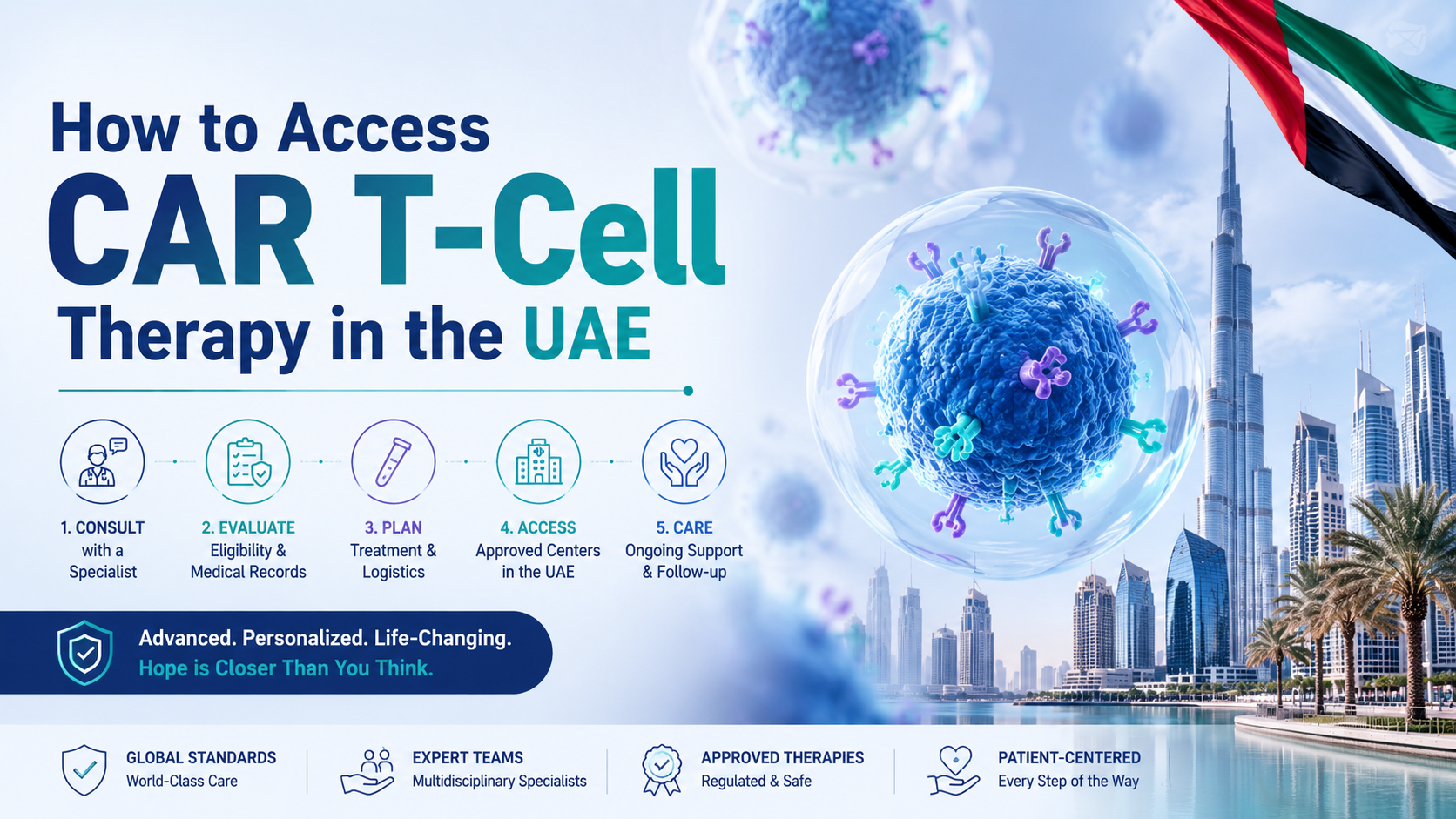
  • How to Access CAR T-Cell Therapy in the UAE: Eligibility, Hospitals, Costs, and Treatment Pathway

    How to Access CAR T-Cell Therapy in the UAE: Eligibility, Hospitals, Costs, and Treatment Pathway

    Introduction

    CAR T-cell therapy has transformed the treatment landscape for certain blood cancers that do not respond adequately to conventional therapies. As advanced cellular immunotherapy becomes increasingly available across the Gulf region, patients and families in the United Arab Emirates often seek practical guidance on eligibility, referral requirements, treatment centers, costs, and expected outcomes.

    Unlike standard chemotherapy or radiation therapy, CAR T-cell therapy involves collecting a patient’s immune cells, genetically modifying them to recognize cancer cells, and reinfusing them to target malignant cells more effectively.

    Accessing CAR T-cell therapy in the UAE can involve multiple steps, including specialist evaluation, disease confirmation, multidisciplinary review, treatment authorization, and close post-treatment monitoring.


    Featured Snippet Answer

    CAR T-cell therapy in the UAE is typically accessed through referral to a specialized hematology-oncology center that offers advanced cellular therapies. Patients undergo eligibility assessment, disease-specific testing, review by a multidisciplinary team, and evaluation for potential risks and benefits. Access may depend on the cancer type, prior treatments received, clinical eligibility criteria, treatment availability, and insurance or funding arrangements.


    Key Takeaways

    • CAR T-cell therapy is primarily used for specific blood cancers.
    • Eligibility depends on diagnosis, prior treatments, overall health, and disease status.
    • Patients generally require referral from a hematologist or oncologist.
    • Treatment involves cell collection, laboratory modification, reinfusion, and intensive monitoring.
    • Potential complications include cytokine release syndrome and neurologic toxicity.
    • Not all patients qualify for CAR T-cell therapy.
    • Costs can be substantial and funding pathways vary.
    • Long-term follow-up is essential after treatment.

    What Is CAR T-Cell Therapy?

    CAR T-cell therapy stands for Chimeric Antigen Receptor T-cell therapy, a form of personalized immunotherapy.

    The process involves:

    1. Collecting T cells from the patient.
    2. Engineering the cells in a specialized laboratory.
    3. Training them to recognize cancer-specific targets.
    4. Expanding the modified cells.
    5. Reinfusing them into the patient.

    These engineered immune cells can then identify and attack certain cancer cells more effectively.


    Conditions Commonly Treated With CAR T-Cell Therapy

    CAR T-cell therapy is generally approved for selected hematologic malignancies.

    ConditionPotential Role of CAR T-Cell Therapy
    Diffuse large B-cell lymphomaMay be used in relapsed or refractory disease
    Acute lymphoblastic leukemiaUsed in selected eligible patients
    Follicular lymphomaMay be considered in certain circumstances
    Mantle cell lymphomaAvailable for some eligible patients
    Multiple myelomaCertain CAR T-cell products may be options
    Other blood cancersAccess may occur through clinical trials or emerging indications

    Availability and approved indications may evolve as regulatory approvals and evidence continue to develop.


    Symptoms That May Lead to Evaluation

    Symptoms depend on the underlying cancer rather than the CAR T-cell therapy itself.

    Common symptoms include:

    • Persistent fatigue
    • Unexplained weight loss
    • Night sweats
    • Enlarged lymph nodes
    • Frequent infections
    • Bone pain
    • Easy bruising
    • Abnormal blood counts
    • Fever without obvious cause

    These symptoms are not specific to cancers treated with CAR T-cell therapy and require medical assessment.


    Causes and Disease Background

    CAR T-cell therapy is not designed to treat the cause of cancer but rather to target cancer cells after diagnosis.

    The cancers most commonly treated with CAR T-cell therapy arise from:

    • Genetic mutations in blood-forming cells
    • Abnormal immune cell proliferation
    • Bone marrow disorders
    • Complex interactions between genetics and environmental factors

    In most cases, no single cause can be identified.


    Risk Factors for Needing CAR T-Cell Therapy

    Patients may be considered for CAR T-cell therapy when:

    • Cancer returns after treatment
    • Standard therapies fail
    • Disease becomes resistant to medications
    • Multiple treatment lines have been exhausted
    • Relapse occurs after stem cell transplantation

    Risk factors for treatment eligibility assessment include:

    FactorWhy It Matters
    Cancer subtypeDetermines potential eligibility
    Disease stageInfluences treatment planning
    Prior therapiesHelps determine next-line options
    Organ functionImportant for treatment safety
    Performance statusAssesses ability to tolerate treatment
    Infection statusReduces risk of complications

    How to Access CAR T-Cell Therapy in the UAE

    Step 1: Obtain Specialist Referral

    Most patients begin with consultation from a:

    • Hematologist
    • Medical oncologist
    • Cancer center specialist

    The physician evaluates whether CAR T-cell therapy may be appropriate.

    Step 2: Confirm Diagnosis

    Patients usually require:

    • Pathology review
    • Bone marrow assessment when indicated
    • Molecular testing
    • Imaging studies
    • Laboratory evaluation

    Step 3: Multidisciplinary Team Review

    Many advanced cancer centers use multidisciplinary tumor boards to evaluate:

    • Disease characteristics
    • Previous treatments
    • Expected benefits
    • Potential risks

    Step 4: Eligibility Assessment

    Clinicians assess:

    • Cardiac function
    • Kidney function
    • Liver function
    • Lung function
    • Infection risk
    • Neurologic status

    Step 5: Funding and Authorization

    Patients may require:

    • Insurance review
    • Government funding approval
    • Institutional authorization
    • Alternative funding pathways

    Step 6: Cell Collection and Manufacturing

    Eligible patients undergo:

    • Leukapheresis
    • Cell engineering
    • Manufacturing period

    This stage may take several weeks depending on logistical factors.

    Step 7: Infusion and Monitoring

    Patients receive:

    • Lymphodepleting chemotherapy
    • CAR T-cell infusion
    • Intensive observation

    Monitoring may occur in specialized inpatient or outpatient settings depending on protocols.


    Diagnostic Evaluation Before Treatment

    Common assessments include:

    TestPurpose
    Blood testsAssess organ function
    Imaging studiesMeasure disease burden
    Bone marrow biopsyEvaluate marrow involvement
    Infection screeningReduce treatment risk
    Cardiac testingAssess heart health
    Pulmonary evaluationAssess respiratory reserve

    Differential Diagnosis

    Not all relapsed symptoms represent cancer progression.

    Clinicians may evaluate for:

    ConditionSimilar Features
    InfectionFever, fatigue
    Treatment-related complicationsAbnormal blood counts
    Autoimmune disordersSystemic symptoms
    Secondary malignanciesCancer-like findings
    Bone marrow disordersCytopenias

    Accurate diagnosis is critical before considering advanced therapies.


    Treatment Options Beyond CAR T-Cell Therapy

    Not every patient is a candidate.

    Alternative approaches may include:

    TreatmentPotential Role
    ChemotherapyDisease control
    Targeted therapyMolecularly directed treatment
    Monoclonal antibodiesImmune-mediated treatment
    Stem cell transplantationSelected patients
    Radiation therapyLocal disease management
    Clinical trialsAccess to emerging therapies

    Medication Considerations

    Before CAR T-cell therapy, clinicians review:

    • Current cancer medications
    • Immunosuppressive drugs
    • Steroid use
    • Anticoagulants
    • Infection prophylaxis

    Medication adjustments may be required to optimize treatment outcomes.

    Patients should never discontinue prescribed medications without physician guidance.


    Side Effects and Risks

    CAR T-cell therapy can produce serious adverse effects.

    Cytokine Release Syndrome (CRS)

    Potential symptoms include:

    • Fever
    • Low blood pressure
    • Breathing difficulties
    • Rapid heart rate

    Severity ranges from mild to life-threatening.

    Neurologic Toxicity

    Possible manifestations include:

    • Confusion
    • Speech difficulties
    • Tremors
    • Seizures
    • Reduced alertness

    Other Potential Risks

    • Infection
    • Low blood counts
    • Bleeding complications
    • Organ dysfunction
    • Prolonged immune suppression

    Because complications can occur rapidly, treatment should be delivered in experienced centers.


    Prevention and Preparation Guidance

    While cancer relapse cannot always be prevented, patients may optimize treatment readiness through:

    • Adhering to oncology appointments
    • Completing recommended testing
    • Reporting symptoms promptly
    • Maintaining nutritional support
    • Following infection-prevention recommendations
    • Receiving appropriate vaccinations when advised

    Prognosis and Recovery

    Recovery timelines vary substantially.

    Factors influencing outcomes include:

    • Cancer type
    • Disease burden
    • Prior treatments
    • Treatment response
    • Complication severity

    Some patients achieve durable remission, while others may require additional therapies.

    Importantly, outcomes differ across diseases and CAR T-cell products. No treatment can guarantee cure.


    Emergency Warning Signs

    Patients should seek urgent medical attention if they experience:

    • High fever
    • Severe shortness of breath
    • Chest pain
    • Confusion
    • Seizures
    • Loss of consciousness
    • Significant bleeding
    • Severe weakness
    • Sudden neurologic changes

    These symptoms may represent serious treatment-related complications or other medical emergencies.


    Evidence-Based Insights

    Current evidence supports CAR T-cell therapy as an important treatment option for selected hematologic malignancies, particularly in relapsed or refractory disease settings.

    However:

    • Outcomes vary by disease type.
    • Not all patients respond.
    • Long-term follow-up remains important.
    • Research continues to evaluate earlier use in treatment pathways.
    • New cellular therapies are actively being developed.

    For some indications, evidence is stronger and supported by regulatory approvals, while for others evidence continues to evolve.


    Clinical Comparison Table

    CAR T-Cell Therapy vs Other Treatment Options

    FeatureCAR T-Cell TherapyChemotherapyTargeted TherapyStem Cell Transplant
    Personalized treatmentYesNoUsually noNo
    Uses patient’s immune cellsYesNoNoNo
    Potential for durable remissionPossiblePossiblePossiblePossible
    Specialized center requiredYesSometimesUsually noYes
    Intensive monitoringYesVariableVariableYes
    Risk of CRSYesNoNoNo

    Frequently Asked Questions

    1. Who qualifies for CAR T-cell therapy in the UAE?

    Eligibility depends on cancer type, treatment history, overall health, organ function, and disease characteristics. Final decisions are made by specialist oncology teams.

    2. Is CAR T-cell therapy available for all cancers?

    No. Current approved uses primarily involve specific blood cancers. Research is ongoing for other malignancies.

    3. How long does the treatment process take?

    The process may span several weeks to months, including evaluation, cell collection, manufacturing, infusion, and follow-up.

    4. Is hospitalization required?

    Many patients require close monitoring after infusion, and hospitalization may be necessary depending on treatment protocols and risk factors.

    5. Does health insurance cover CAR T-cell therapy in the UAE?

    Coverage varies by insurer, policy, indication, and provider network. Preauthorization is often required.

    6. What are the most serious complications?

    Cytokine release syndrome and neurologic toxicity are among the most significant risks, although management strategies continue to improve.

    7. Can CAR T-cell therapy cure cancer?

    Some patients experience long-lasting remission, but outcomes vary and cure cannot be guaranteed.

    8. Can older adults receive CAR T-cell therapy?

    Age alone does not automatically exclude treatment. Overall health status and functional capacity are important considerations.

    9. What specialists are involved in treatment?

    Care often involves hematologists, oncologists, transplant specialists, intensive care teams, neurologists, pharmacists, and specialized nursing staff.

    10. Are clinical trials available in the UAE?

    Availability changes over time. Eligible patients may discuss clinical trial opportunities with their oncology team.


    Suggested Internal Linking Opportunities

    • Understanding lymphoma treatment options
    • Relapsed leukemia management strategies
    • Stem cell transplantation explained
    • Cancer immunotherapy overview
    • Managing chemotherapy side effects
    • Cancer survivorship and long-term follow-up
    • Understanding targeted cancer therapies
    • Infection prevention during cancer treatment

    Conclusion

    CAR T-cell therapy represents one of the most significant advances in modern cancer treatment, offering a personalized immunotherapy approach for selected patients with certain blood cancers. Accessing treatment in the UAE generally involves specialist referral, detailed eligibility assessment, multidisciplinary review, and careful monitoring before and after infusion. While outcomes can be meaningful for appropriately selected patients, treatment remains complex, resource-intensive, and associated with potentially serious risks. Patients considering CAR T-cell therapy should work closely with experienced oncology teams to understand eligibility, expected benefits, uncertainties, and alternative treatment options.


    Medical Disclaimer

    This article is intended for educational and informational purposes only and should not be used as a substitute for professional medical advice, diagnosis, or treatment. CAR T-cell therapy eligibility, availability, regulatory approvals, and treatment protocols may vary between institutions and over time. Individuals should consult a qualified hematologist, oncologist, or other licensed healthcare professional for personalized medical guidance.


  • Top 5 Clinics for Deep Brain Stimulation (DBS) in Abu Dhabi: Comprehensive Patient Guide

    Top 5 Clinics for Deep Brain Stimulation (DBS) in Abu Dhabi: Comprehensive Patient Guide

    Introduction

    Deep Brain Stimulation (DBS) is one of the most significant advances in modern functional neurosurgery. For carefully selected patients with neurological disorders such as Parkinson’s disease, essential tremor, dystonia, and certain treatment-resistant neurological conditions, DBS may improve symptoms that are not adequately controlled with medication alone.

    Patients seeking DBS treatment in Abu Dhabi often prioritize:

    • Experienced functional neurosurgeons
    • Multidisciplinary neurological care
    • Advanced neuroimaging capabilities
    • Comprehensive pre-operative evaluation
    • Long-term device programming and follow-up
    • International standards of patient safety

    Because DBS is a highly specialized procedure, selecting the right center is often as important as selecting the procedure itself.


    Featured Snippet Answer

    The best clinics for Deep Brain Stimulation (DBS) in Abu Dhabi are generally those with multidisciplinary neurology and neurosurgery programs, advanced neuroimaging technology, experienced functional neurosurgeons, and dedicated long-term DBS programming services. Leading tertiary-care hospitals and neuroscience centers typically offer the most comprehensive DBS pathways for Parkinson’s disease, essential tremor, and dystonia.


    Key Takeaways

    • DBS is not a cure but may significantly improve symptoms in selected patients.
    • Comprehensive neurological assessment is essential before surgery.
    • Long-term follow-up and device programming are critical to treatment success.
    • Patient selection strongly influences outcomes.
    • Risks include infection, bleeding, hardware complications, and stimulation-related side effects.
    • Multidisciplinary neuroscience centers generally provide the most complete DBS care.

    Top 5 Clinics for Deep Brain Stimulation (DBS) in Abu Dhabi

    The following institutions are widely recognized for advanced neurological and neurosurgical services and are commonly considered among the leading options for DBS evaluation and treatment in Abu Dhabi.

    1. Cleveland Clinic Abu Dhabi

    Why patients consider it:

    • Comprehensive neuroscience institute
    • Advanced movement disorder services
    • Multidisciplinary neurological care
    • High-level neuroimaging capabilities
    • Internationally trained specialists

    Potential strengths:

    • Complex Parkinson’s disease management
    • Functional neurosurgery expertise
    • Long-term postoperative follow-up
    • Rehabilitation integration

    2. Sheikh Shakhbout Medical City

    Why patients consider it:

    • Large tertiary referral center
    • Advanced neurology and neurosurgery departments
    • Multispecialty care coordination
    • Access to complex neurological evaluations

    Potential strengths:

    • Comprehensive diagnostic workups
    • High-acuity neurological care
    • Multidisciplinary treatment planning

    3. Burjeel Medical City

    Why patients consider it:

    • Specialized neurosciences services
    • Advanced surgical infrastructure
    • Comprehensive rehabilitation support
    • International patient services

    Potential strengths:

    • Personalized neurological treatment plans
    • Movement disorder evaluations
    • Modern perioperative care pathways

    4. Mediclinic Airport Road Hospital

    Why patients consider it:

    • Established neurology services
    • Access to multidisciplinary specialists
    • Advanced diagnostic imaging
    • Coordinated patient care

    Potential strengths:

    • Neurological assessment
    • Long-term symptom management
    • Referral pathways for advanced interventions

    5. NMC Specialty Hospital Abu Dhabi

    Why patients consider it:

    • Comprehensive specialty care
    • Neurological consultation services
    • Multidisciplinary medical teams
    • Accessible patient support programs

    Potential strengths:

    • Initial DBS eligibility assessment
    • Ongoing neurological management
    • Coordinated specialist referrals

    What Is Deep Brain Stimulation (DBS)?

    Deep Brain Stimulation is a neurosurgical procedure involving:

    1. Placement of electrodes in specific brain regions.
    2. Connection of electrodes to an implanted pulse generator.
    3. Delivery of controlled electrical stimulation.
    4. Adjustment of stimulation settings over time.

    The therapy aims to regulate abnormal neural activity associated with certain neurological disorders.


    Symptoms That May Lead to DBS Evaluation

    SymptomPossible Associated Condition
    TremorParkinson’s disease, essential tremor
    Muscle rigidityParkinson’s disease
    Slowness of movementParkinson’s disease
    Abnormal involuntary movementsDystonia
    Medication fluctuationsAdvanced Parkinson’s disease
    Disabling motor symptomsVarious movement disorders

    Causes of Conditions Commonly Treated With DBS

    DBS does not treat a single disease. Instead, it may be used for conditions involving abnormal neural circuit activity.

    Common indications include:

    • Parkinson’s disease
    • Essential tremor
    • Dystonia
    • Selected epilepsy cases
    • Certain treatment-resistant neurological disorders

    Eligibility depends on individual clinical circumstances and specialist evaluation.


    Risk Factors for Needing Advanced Parkinson’s Therapies

    Patients may be considered for DBS when they develop:

    • Increasing medication requirements
    • Motor fluctuations
    • Wearing-off effects
    • Dyskinesias
    • Medication intolerance
    • Progressive functional impairment

    How Candidates Are Diagnosed and Evaluated

    Before DBS, patients typically undergo:

    Neurological Assessment

    • Comprehensive symptom review
    • Movement disorder evaluation
    • Medication response assessment

    Imaging Studies

    • MRI brain
    • Specialized neuroimaging when indicated

    Neuropsychological Testing

    • Cognitive assessment
    • Memory evaluation
    • Mood and behavioral screening

    Multidisciplinary Review

    • Neurologist
    • Neurosurgeon
    • Neuropsychologist
    • Rehabilitation specialists

    Differential Diagnosis

    Several disorders can resemble Parkinson’s disease or tremor syndromes.

    ConditionSimilar SymptomsKey Distinguishing Features
    Essential TremorTremorOften affects hands during action
    Parkinson’s DiseaseTremor, rigidityRest tremor and bradykinesia
    Multiple System AtrophyParkinsonian symptomsFaster progression
    Progressive Supranuclear PalsyBalance issuesCharacteristic eye movement abnormalities
    Drug-Induced ParkinsonismSlowness, rigidityMedication-related onset

    Treatment Options

    Medication Therapy

    Common first-line approaches include:

    • Dopaminergic medications
    • Symptom-specific treatments
    • Adjunctive therapies

    Physical Therapy

    May help improve:

    • Mobility
    • Balance
    • Functional independence

    Occupational Therapy

    Supports:

    • Activities of daily living
    • Adaptive strategies

    Deep Brain Stimulation

    Potential benefits include:

    • Reduced tremor
    • Improved motor function
    • Reduced medication burden in selected patients
    • Improved quality of life for appropriate candidates

    Medication Considerations

    Patients undergoing DBS often continue medications, although dosages may change after surgery.

    Important considerations include:

    • Drug interactions
    • Cognitive effects
    • Blood-thinning medications
    • Medication timing around surgery

    Medication decisions should always be individualized by treating physicians.


    Side Effects and Risks of DBS

    Surgical Risks

    • Infection
    • Bleeding
    • Stroke
    • Hardware complications

    Device-Related Risks

    • Lead migration
    • Battery depletion
    • Device malfunction

    Stimulation-Related Effects

    • Speech changes
    • Balance difficulties
    • Tingling sensations
    • Mood changes

    Risk levels vary depending on individual health status and surgical complexity.


    Prevention Guidance

    While DBS-treated disorders cannot always be prevented, patients may reduce complications through:

    • Regular neurological follow-up
    • Medication adherence
    • Fall prevention strategies
    • Physical activity when appropriate
    • Management of cardiovascular risk factors

    Prognosis and Recovery

    Recovery typically occurs in stages.

    PhaseWhat to Expect
    Immediate postoperative periodSurgical recovery
    First programming sessionsAdjustment of stimulation settings
    First few monthsOptimization of symptom control
    Long-term follow-upPeriodic device adjustments

    Outcomes vary considerably between individuals.


    Emergency Warning Signs

    Seek urgent medical attention for:

    • Sudden severe headache
    • New weakness
    • Loss of consciousness
    • Seizures
    • Significant confusion
    • Signs of infection around the device
    • Rapid neurological deterioration

    Evidence-Based Insights

    Current clinical evidence supports DBS as an established treatment option for selected patients with:

    • Parkinson’s disease
    • Essential tremor
    • Dystonia

    Research continues to evaluate its role in:

    • Epilepsy
    • Psychiatric disorders
    • Other neurological conditions

    Not every patient experiences the same degree of improvement, and outcomes depend heavily on diagnosis, disease stage, surgical accuracy, and postoperative programming.


    Clinical Comparison Table

    FactorMedication AloneDBS Plus Medical Therapy
    InvasivenessNon-surgicalSurgical
    ReversibilityMedication adjustmentsDevice can often be adjusted or removed
    Tremor ControlVariableMay improve substantially in selected patients
    Long-Term ManagementOngoing medication adjustmentsRequires programming and monitoring
    Candidate SelectionBroadHighly selective

    Frequently Asked Questions

    1. Who is a good candidate for DBS?

    Patients with specific neurological disorders whose symptoms remain inadequately controlled despite optimized medical therapy may be candidates after comprehensive specialist evaluation.


    2. Is DBS a cure for Parkinson’s disease?

    No. DBS helps manage symptoms but does not cure or stop disease progression.


    3. How long does DBS surgery take?

    Procedure length varies depending on surgical technique, complexity, and patient-specific factors.


    4. Can DBS reduce medication requirements?

    Some patients may require lower medication doses after successful DBS, though many continue taking medications.


    5. What is the recovery time after DBS?

    Initial recovery often occurs over weeks, while stimulation optimization may take several months.


    6. How often does the device require adjustment?

    Programming frequency varies, particularly during the first months after implantation.


    7. What are the most common risks?

    Potential risks include infection, bleeding, hardware complications, and stimulation-related side effects.


    8. Is age a barrier to DBS?

    Age alone is not necessarily an exclusion criterion. Overall health, cognition, and functional status are important considerations.


    9. Will insurance cover DBS in Abu Dhabi?

    Coverage varies by insurer, policy terms, medical necessity criteria, and preauthorization requirements.


    Suggested Internal Links

    • Parkinson’s Disease Treatment Guide
    • Essential Tremor Management Options
    • Neurological Rehabilitation After Surgery
    • Understanding Movement Disorders
    • MRI Safety and Neurological Imaging
    • Neurosurgery Consultation Checklist
    • Managing Advanced Parkinson’s Disease

    Conclusion

    Deep Brain Stimulation remains one of the most important treatment advances for selected patients with movement disorders and other neurological conditions. In Abu Dhabi, leading tertiary-care neuroscience centers offer comprehensive DBS pathways that combine advanced diagnostics, experienced multidisciplinary teams, functional neurosurgery expertise, and long-term device management.

    When evaluating potential clinics, patients should focus not only on surgical capabilities but also on the quality of neurological assessment, postoperative programming, rehabilitation support, and long-term follow-up care. Careful patient selection remains the foundation of successful DBS outcomes.


    Medical Disclaimer

    This article is intended for educational purposes only and should not be considered medical advice, diagnosis, or treatment. Deep Brain Stimulation is a complex medical intervention that requires individualized assessment by qualified neurologists, neurosurgeons, and multidisciplinary healthcare professionals. Patients experiencing neurological symptoms should seek evaluation from an appropriately licensed healthcare provider before making treatment decisions.

  • Best Surgeons in Dubai for Thigh Lifts (Thighplasty) in 2026: Credentials, Selection Criteria, Costs, and Patient Guide

    Best Surgeons in Dubai for Thigh Lifts (Thighplasty) in 2026: Credentials, Selection Criteria, Costs, and Patient Guide

    Introduction

    A thigh lift, also known as thighplasty, is a body contouring procedure designed to remove excess skin and improve the shape of the inner or outer thighs. Demand for thigh lifts in Dubai continues to grow among patients experiencing skin laxity after major weight loss, pregnancy-related body changes, aging, or significant fluctuations in body weight.

    When researching the best surgeons in Dubai for thigh lifts in 2026, patients often focus on surgeon reputation, pricing, before-and-after photographs, and social media presence. However, surgical safety, board certification, hospital privileges, complication rates, and individualized treatment planning are generally more important indicators of quality care.

    This guide explains how to evaluate thigh lift surgeons, understand procedure options, assess risks, and make informed treatment decisions.


    Featured Snippet Answer

    The best thigh lift surgeons in Dubai in 2026 are typically board-certified plastic surgeons with specialized experience in body contouring procedures, documented expertise in post-weight-loss surgery, hospital operating privileges, strong safety protocols, and transparent patient education. Patients should prioritize credentials, surgical experience, complication management, and individualized treatment plans rather than marketing claims alone.


    Key Takeaways

    • Thighplasty removes excess skin and reshapes the thighs.
    • Ideal candidates usually have stable body weight and realistic expectations.
    • Board certification and body contouring experience are critical when selecting a surgeon.
    • Recovery often requires several weeks of activity modification.
    • Results may be long-lasting when weight remains stable.
    • All surgical procedures carry risks, including infection, scarring, and wound healing complications.
    • Consultation quality is often a stronger indicator of surgical professionalism than promotional content.

    What Is a Thigh Lift (Thighplasty)?

    A thigh lift is a cosmetic surgical procedure that improves thigh contour by removing excess skin and, in some cases, excess fat.

    Common thigh lift types include:

    Procedure TypePrimary GoalTypical Candidates
    Inner Thigh LiftTightens inner thighsMild to severe skin laxity
    Medial Thigh LiftImproves upper inner thigh contourModerate skin excess
    Vertical Thigh LiftAddresses extensive loose skinMassive weight-loss patients
    Outer Thigh LiftImproves outer thigh appearancePatients with lower-body laxity
    Combined Body ContouringTreats multiple areasSignificant post-weight-loss changes

    Symptoms and Concerns That Lead Patients to Seek Thighplasty

    Patients considering thigh lifts commonly report:

    • Loose or hanging thigh skin
    • Chafing during walking
    • Difficulty exercising comfortably
    • Skin irritation within skin folds
    • Body image concerns
    • Persistent skin redundancy after weight loss
    • Reduced clothing fit and comfort

    Causes of Excess Thigh Skin

    Several factors contribute to thigh skin laxity:

    Significant Weight Loss

    One of the most common reasons for thighplasty.

    Aging

    Natural declines in collagen and elastin reduce skin elasticity.

    Genetics

    Inherited skin characteristics influence tissue quality.

    Pregnancy and Hormonal Changes

    Body composition changes may affect skin tightness.

    Repeated Weight Fluctuations

    Weight cycling can stretch skin beyond its ability to retract.


    Risk Factors for Requiring a Thigh Lift

    Individuals may be more likely to seek thigh contouring if they have:

    Risk FactorPotential Impact
    Bariatric surgery historyExcess skin formation
    Obesity historyReduced skin recoil
    AgingProgressive laxity
    SmokingPoor tissue quality
    Repeated weight changesSkin stretching
    Genetic predispositionLower elasticity

    How to Identify the Best Thigh Lift Surgeons in Dubai

    Board Certification

    Look for surgeons with recognized plastic surgery credentials and appropriate licensing.

    Body Contouring Expertise

    Surgeons performing high volumes of:

    • Thigh lifts
    • Body lifts
    • Arm lifts
    • Abdominoplasty
    • Post-bariatric contouring

    often possess greater experience with complex tissue reshaping.

    Accredited Surgical Facilities

    Procedures should be performed in licensed facilities with established safety standards.

    Comprehensive Consultations

    High-quality consultations typically include:

    • Physical examination
    • Risk discussion
    • Scar placement review
    • Recovery planning
    • Alternative treatment options

    Transparent Before-and-After Documentation

    Images should demonstrate consistency across different patient body types.

    Postoperative Support

    Strong aftercare programs can improve recovery and patient satisfaction.


    Diagnosis and Surgical Assessment

    Before recommending surgery, surgeons typically evaluate:

    • Skin quality
    • Fat distribution
    • Body mass index
    • Weight stability
    • Medical history
    • Smoking status
    • Previous surgeries
    • Functional symptoms

    Diagnostic testing may include:

    • Laboratory studies
    • Medical clearance
    • Cardiac assessment when appropriate

    Differential Diagnosis

    Not every thigh contour concern requires thighplasty.

    ConcernPossible Alternative
    Mild skin laxityNon-surgical tightening treatments
    Localized fat depositsLiposuction
    CelluliteTargeted cellulite therapies
    Muscle weaknessExercise-based interventions
    General obesityWeight-management strategies

    Treatment Options

    Thigh Lift Surgery

    Most effective for moderate-to-severe skin excess.

    Benefits

    • Removes loose skin
    • Improves contour
    • Reduces chafing
    • Enhances clothing fit

    Limitations

    • Permanent scars
    • Recovery period
    • Surgical risks

    Liposuction

    Useful when skin elasticity remains relatively good.

    Combined Procedures

    Some patients undergo:

    • Tummy tuck
    • Lower body lift
    • Liposuction
    • Arm lift

    Combined procedures may increase complexity and recovery requirements.


    Medication Considerations

    Patients should discuss all medications and supplements before surgery.

    Examples include:

    Medication TypePotential Concern
    Blood thinnersIncreased bleeding risk
    Anti-inflammatory medicationsSurgical bleeding considerations
    Certain supplementsMay affect clotting
    Diabetes medicationsRecovery planning
    Hormonal medicationsIndividual risk assessment

    Medication changes should only occur under physician supervision.


    Side Effects and Risks

    All surgeries carry risks.

    Potential complications include:

    • Infection
    • Bleeding
    • Fluid collections
    • Delayed wound healing
    • Scar widening
    • Numbness
    • Skin irregularities
    • Asymmetry
    • Deep vein thrombosis
    • Pulmonary complications

    Risk levels vary according to patient health, procedure extent, and postoperative compliance.


    Prevention and Optimization Before Surgery

    Patients can often improve outcomes by:

    • Maintaining a stable weight
    • Stopping smoking when advised
    • Following nutritional recommendations
    • Managing chronic medical conditions
    • Increasing physical activity appropriately
    • Attending all preoperative appointments

    Recovery and Prognosis

    Early Recovery

    Most patients experience:

    • Swelling
    • Bruising
    • Temporary discomfort
    • Limited mobility

    Intermediate Recovery

    Many individuals gradually return to routine activities over several weeks.

    Long-Term Results

    Results may remain stable for years when:

    • Weight remains consistent
    • Healthy lifestyle habits are maintained
    • Significant future weight fluctuations are avoided

    Emergency Warning Signs

    Patients should seek urgent medical evaluation if they develop:

    • Sudden chest pain
    • Shortness of breath
    • Severe leg swelling
    • Excessive bleeding
    • High fever
    • Rapidly worsening redness
    • Severe wound separation
    • Signs of infection

    Emergency symptoms require prompt medical attention.


    Evidence-Based Insights

    Current clinical experience and published body contouring literature generally suggest:

    • Thigh lifts are most effective for excess skin rather than excess fat alone.
    • Weight stabilization before surgery improves outcomes.
    • Smoking increases complication risks.
    • Post-bariatric patients frequently benefit from customized surgical planning.
    • Realistic expectations contribute significantly to patient satisfaction.

    Although body contouring surgery is widely performed, outcomes depend heavily on patient selection, surgical technique, and postoperative adherence.


    Comparison Table: Choosing a Thigh Lift Surgeon

    Selection FactorWhy It Matters
    Board certificationIndicates specialized training
    Body contouring experienceRelevant procedural expertise
    Accredited facilityPatient safety
    Before-and-after portfolioDemonstrates consistency
    Transparent risk discussionInformed consent
    Recovery supportBetter postoperative guidance
    Revision policyManagement of unexpected outcomes

    Frequently Asked Questions

    1. Who is the best thigh lift surgeon in Dubai in 2026?

    There is no universally recognized single “best” surgeon. The most appropriate surgeon depends on individual anatomy, goals, medical history, and procedural expertise.

    2. How much does a thigh lift cost in Dubai?

    Costs vary based on surgeon experience, facility fees, anesthesia, procedure complexity, and whether additional body contouring procedures are performed.

    3. Will a thigh lift remove cellulite?

    Not necessarily. A thigh lift primarily addresses excess skin and contour irregularities rather than cellulite.

    4. How visible are thigh lift scars?

    Scars are permanent but often positioned strategically. Their visibility varies according to surgical technique and individual healing characteristics.

    5. Can liposuction replace a thigh lift?

    In some patients with good skin elasticity, liposuction alone may be sufficient. Significant loose skin generally requires surgical excision.

    6. How long is recovery after thighplasty?

    Recovery varies, but activity restrictions commonly extend for several weeks. Full maturation of scars and final contour outcomes may take months.

    7. Are thigh lift results permanent?

    Results can be long-lasting, particularly when body weight remains stable.

    8. Is thigh lift surgery safe?

    When performed by qualified surgeons in accredited facilities, thigh lift surgery is generally considered safe, but all surgery involves potential risks and complications.

    9. Who is not a good candidate for thighplasty?

    Patients with uncontrolled medical conditions, active smoking habits, unstable weight, or unrealistic expectations may not be ideal candidates.


    Internal Linking Opportunities

    Consider linking related content such as:

    • Complete Guide to Body Contouring After Weight Loss
    • Liposuction vs Thigh Lift: Which Is Right for You?
    • Tummy Tuck Recovery Timeline
    • Body Lift Surgery Explained
    • Plastic Surgery Consultation Checklist
    • Managing Surgical Scars After Cosmetic Procedures
    • Post-Bariatric Cosmetic Surgery Options

    Conclusion

    Finding the best surgeons in Dubai for thigh lifts in 2026 involves far more than comparing advertisements or social media popularity. Patients should prioritize board certification, body contouring experience, facility accreditation, transparent consultations, and comprehensive postoperative care.

    Thighplasty can significantly improve thigh contour and comfort for appropriately selected candidates, particularly after major weight loss. However, successful outcomes depend on realistic expectations, careful surgeon selection, and adherence to recovery instructions. A thorough consultation with a qualified plastic surgeon remains the most reliable way to determine whether a thigh lift is appropriate for an individual’s goals and health status.


    Medical Disclaimer

    This article is intended for educational and informational purposes only and should not be considered medical advice, diagnosis, or treatment. Surgical decisions should always be made in consultation with a qualified healthcare professional who can assess individual medical circumstances. Evidence and clinical recommendations may evolve over time, and treatment suitability varies between patients.

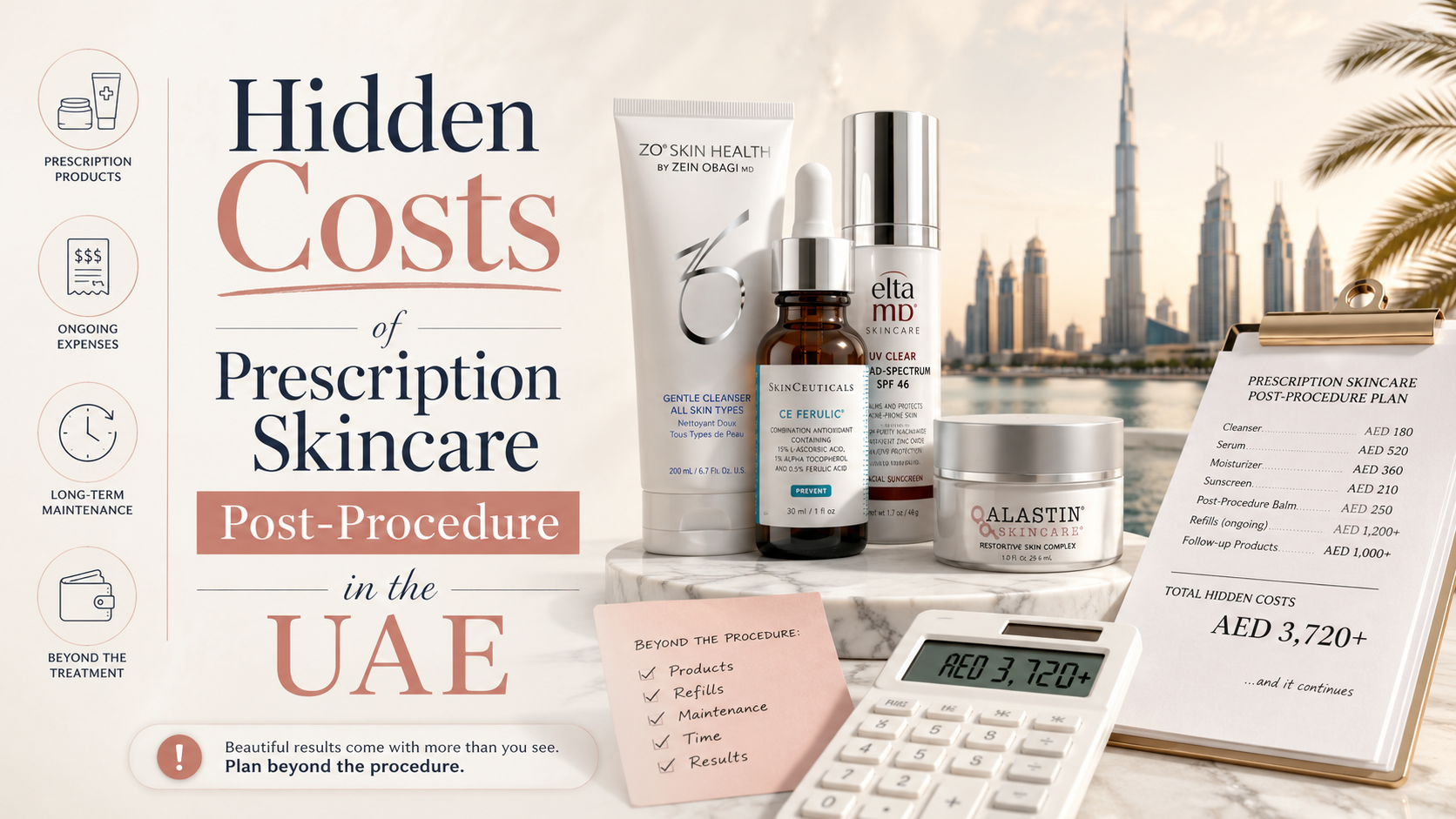
  • Hidden Costs of Prescription Skincare Post-Procedure in the UAE

    Hidden Costs of Prescription Skincare Post-Procedure in the UAE

    Introduction

    Many patients carefully budget for cosmetic dermatology procedures such as laser resurfacing, chemical peels, microneedling, acne scar treatments, pigmentation correction, and injectable procedures. However, a significant portion of the total cost often emerges after the procedure itself.

    Prescription skincare is frequently recommended during recovery and long-term maintenance. These products may include topical retinoids, antibiotics, corticosteroids, pigment-control agents, barrier-repair formulations, and other dermatologist-prescribed treatments. While these medications can support healing and improve outcomes, they may add substantial ongoing expenses that are not always included in initial treatment quotes.

    Understanding these hidden costs helps patients make informed financial decisions and avoid unexpected treatment interruptions.


    Featured Snippet Answer

    What are the hidden costs of prescription skincare after cosmetic procedures in the UAE?

    Hidden costs may include prescription medications, follow-up consultations, compounded formulations, maintenance skincare, treatment of side effects, sun-protection products, repeat prescriptions, laboratory monitoring for certain medications, and long-term management of skin conditions. These expenses can significantly increase the overall cost of aesthetic treatment beyond the procedure itself.


    Key Takeaways

    • Post-procedure skincare expenses often continue for weeks or months.
    • Prescription products may require repeat purchases.
    • Follow-up consultations may be billed separately.
    • Sun protection and barrier-repair products can become recurring costs.
    • Complications may require additional prescriptions and visits.
    • Cosmetic-related prescriptions are often not covered by health insurance.
    • Long-term maintenance therapy can exceed initial recovery costs.

    Why Prescription Skincare Is Common After Cosmetic Procedures

    Many aesthetic procedures temporarily disrupt the skin barrier. Dermatologists frequently prescribe medications to:

    • Reduce inflammation
    • Prevent infection
    • Control pigmentation changes
    • Accelerate healing
    • Minimize scarring
    • Improve procedural outcomes
    • Maintain long-term results

    These prescriptions may be medically appropriate but can add meaningful costs over time.


    Common Post-Procedure Symptoms Requiring Prescription Management

    SymptomPotential Management
    RednessAnti-inflammatory treatments
    SwellingShort-term medications
    HyperpigmentationPigment-control agents
    Acne flare-upsPrescription acne therapies
    IrritationBarrier-repair treatments
    Infection riskAntibiotics when indicated
    Excessive inflammationCarefully supervised corticosteroids

    Not every patient requires medication, and treatment plans vary considerably.


    Causes of Increased Prescription Skincare Costs

    Extended Recovery Periods

    Recovery sometimes lasts longer than anticipated. Patients may require additional medication refills beyond the initial treatment plan.

    Chronic Skin Conditions

    Underlying conditions such as:

    • Acne
    • Rosacea
    • Melasma
    • Eczema
    • Seborrheic dermatitis

    can complicate recovery and increase prescription needs.

    Aggressive Procedures

    More intensive procedures often require more extensive aftercare.

    Examples include:

    • Fractional laser resurfacing
    • Deep chemical peels
    • Surgical scar revision
    • Combination treatment protocols

    Prevention of Pigmentation

    Pigmentation concerns are particularly relevant in populations with medium to darker skin tones. Dermatologists may recommend prolonged use of pigment-regulating medications after treatment.


    Risk Factors for Higher Post-Procedure Expenses

    Patients may face greater skincare costs if they have:

    • History of hyperpigmentation
    • Sensitive skin
    • Chronic acne
    • Rosacea
    • Autoimmune skin conditions
    • Previous poor wound healing
    • Multiple cosmetic procedures
    • Significant sun exposure

    Diagnosis and Follow-Up Monitoring

    Post-procedure care frequently includes follow-up assessments.

    These visits may evaluate:

    • Healing progression
    • Infection risk
    • Pigmentation changes
    • Scarring
    • Treatment response
    • Medication tolerance

    Some clinics include limited follow-up visits, while others bill separately.


    Differential Diagnosis of Post-Procedure Skin Changes

    Not all post-treatment symptoms represent normal healing.

    FindingPossible Causes
    Persistent rednessNormal healing, dermatitis, infection
    Darkening skinPost-inflammatory hyperpigmentation
    New acneProcedure-related flare, medication effect
    Excessive swellingInflammation, allergy, infection
    Persistent irritationContact dermatitis, barrier dysfunction
    Delayed healingInfection, underlying medical conditions

    Proper diagnosis can prevent unnecessary treatment costs.


    Hidden Cost Categories Patients Often Overlook

    Prescription Retinoids

    Retinoid medications may be recommended for:

    • Acne management
    • Texture improvement
    • Pigmentation control
    • Long-term maintenance

    These often require ongoing purchasing.

    Pigmentation Treatments

    Commonly prescribed for:

    • Melasma
    • Post-inflammatory hyperpigmentation
    • Uneven skin tone

    Long-term use may be necessary under medical supervision.

    Barrier-Repair Products

    While not always prescription-only, many dermatologist-recommended products are premium medical-grade formulations that can become recurring expenses.

    Antibiotics

    When indicated, topical or oral antibiotics add to treatment costs and may require monitoring.

    Sun Protection Products

    High-quality broad-spectrum sunscreen is frequently considered essential after many dermatologic procedures.

    Patients may underestimate how often these products require replacement.

    Compounded Medications

    Some clinics prescribe customized formulations.

    These may:

    • Not be universally available
    • Cost more than standard products
    • Require repeat compounding

    Medication Considerations

    Topical Retinoids

    Potential considerations:

    • Skin irritation
    • Dryness
    • Sun sensitivity
    • Need for gradual introduction

    Hydroquinone and Pigment-Modifying Agents

    May require:

    • Dermatologist supervision
    • Periodic reassessment
    • Treatment breaks

    Oral Medications

    Certain oral therapies may require:

    • Medical screening
    • Laboratory monitoring
    • Follow-up appointments

    Requirements vary according to medication and patient health status.


    Side Effects and Additional Costs

    Treatment-related side effects may create further expenses.

    Side EffectPotential Additional Cost
    DrynessMoisturizers and barrier creams
    IrritationFollow-up consultations
    Contact dermatitisPrescription treatments
    Acne flareAdditional medications
    Pigmentation changesCorrective therapies
    InfectionMedical treatment and monitoring

    Treatment Options for Cost Management

    Discuss Total Aftercare Costs Upfront

    Patients should ask:

    • What prescriptions are likely?
    • How long will treatment continue?
    • Are refills commonly required?
    • Are alternatives available?

    Request a Full Recovery Budget

    A comprehensive estimate should ideally include:

    • Procedure fee
    • Follow-up visits
    • Prescription medications
    • Skincare products
    • Sunscreens
    • Potential maintenance therapy

    Consider Long-Term Maintenance Requirements

    Some procedures require ongoing skincare to maintain results.

    Without maintenance, outcomes may diminish over time.


    Prevention Strategies

    Patients may reduce unexpected expenses by:

    • Following recovery instructions carefully
    • Using prescribed medications correctly
    • Avoiding excessive sun exposure
    • Attending scheduled follow-ups
    • Reporting complications early
    • Maintaining realistic expectations

    Prevention is often less costly than managing complications.


    Prognosis and Long-Term Expectations

    Most patients recover successfully when appropriate aftercare is followed.

    However, long-term maintenance is common after:

    • Pigmentation treatments
    • Acne treatments
    • Anti-aging procedures
    • Laser resurfacing
    • Scar management

    The procedure itself may represent only part of the total investment.


    Emergency Warning Signs

    Patients should seek prompt medical evaluation if they experience:

    • Rapidly worsening redness
    • Severe swelling
    • Fever
    • Pus or drainage
    • Significant pain
    • Vision changes after facial procedures
    • Signs of allergic reaction

    Urgent assessment can reduce the risk of serious complications.


    Evidence-Based Insights

    Current dermatology practice generally recognizes that procedural outcomes depend heavily on post-treatment care. While procedures often receive the most attention during treatment planning, recovery protocols, sun protection, and ongoing skin management substantially influence both outcomes and overall costs.

    Importantly, the exact skincare regimen varies between patients, procedures, skin types, and physician preferences. No single prescription plan is appropriate for everyone.


    Clinical Comparison Table

    Procedure Cost vs. Potential Aftercare Burden

    Procedure TypeTypical Aftercare IntensityLikelihood of Prescription Skincare
    Light chemical peelLowLow to moderate
    MicroneedlingModerateModerate
    Fractional laserHighHigh
    Pigmentation treatmentModerate to highHigh
    Acne scar treatmentModerate to highHigh
    Deep resurfacing proceduresHighHigh

    Frequently Asked Questions

    Are prescription skincare costs usually included in cosmetic procedure pricing?

    Not always. Some clinics bundle limited aftercare products, while others charge separately for medications and follow-up care.

    Does UAE health insurance cover post-procedure prescription skincare?

    Coverage varies. Cosmetic treatments and related skincare products are often excluded, but medically necessary treatments may be evaluated differently depending on the policy.

    Why do dermatologists prescribe skincare after procedures?

    Prescription products may support healing, reduce complications, manage pigmentation, and help maintain results.

    Can I replace prescription products with over-the-counter alternatives?

    Only after discussing options with your treating physician. Some prescriptions serve specific medical purposes that over-the-counter products may not adequately address.

    How long might post-procedure skincare continue?

    It depends on the procedure and the patient’s skin condition. Some regimens last weeks, while others continue for months.

    Are expensive medical-grade products always necessary?

    Not necessarily. Recommendations vary based on clinical needs, and patients can discuss alternative options with their dermatologist.

    What hidden expense surprises patients most often?

    Recurring purchases of prescription products, maintenance therapy, sunscreen, and follow-up appointments are among the most commonly overlooked costs.

    Can complications increase post-procedure expenses?

    Yes. Infections, pigmentation changes, irritation, and delayed healing may require additional treatment and monitoring.


    Suggested Internal Linking Opportunities

    • Guide to laser resurfacing recovery
    • Understanding post-inflammatory hyperpigmentation
    • Sunscreen selection after cosmetic procedures
    • Managing acne after dermatologic treatments
    • Chemical peel aftercare recommendations
    • Microneedling recovery timeline
    • When to see a dermatologist for skin irritation

    Conclusion

    The true financial impact of cosmetic dermatology procedures in the UAE often extends beyond the treatment room. Prescription skincare, follow-up appointments, maintenance therapy, sun protection, and management of potential complications can significantly increase overall costs. Patients who understand these factors before treatment are better positioned to budget effectively, maintain treatment adherence, and achieve safer long-term outcomes.


    Medical Disclaimer

    This article is for educational purposes only and should not be considered medical advice. Treatment decisions should be made in consultation with a qualified dermatologist or healthcare professional. Costs, medication requirements, insurance coverage, and recovery protocols vary among patients, clinics, procedures, and geographic locations. Individual medical evaluation is essential before starting or modifying any treatment plan.

  • The Ultimate Expat Guide to Micro-Needling with RF in Sharjah: Benefits, Costs, Risks & Recovery

    The Ultimate Expat Guide to Micro-Needling with RF in Sharjah: Benefits, Costs, Risks & Recovery

    Introduction

    For many expatriates living in Sharjah, maintaining skin health can be challenging. Intense sun exposure, dry climate conditions, pigmentation concerns, acne scarring, and age-related skin changes often motivate individuals to explore non-surgical aesthetic treatments.

    Radiofrequency (RF) microneedling has emerged as a popular option because it combines controlled skin injury with thermal energy to stimulate collagen remodeling. Unlike traditional microneedling alone, RF-assisted devices deliver radiofrequency energy beneath the skin surface, potentially improving skin texture, scars, laxity, and certain pigmentation concerns.

    This guide explains what expatriates should know before considering RF microneedling in Sharjah, including benefits, limitations, risks, recovery expectations, and evidence-based considerations.


    Featured Snippet Answer

    RF microneedling is a minimally invasive cosmetic procedure that uses tiny needles and radiofrequency energy to stimulate collagen production. It may improve acne scars, fine lines, enlarged pores, skin laxity, and texture irregularities. Recovery is generally shorter than many resurfacing procedures, although redness, swelling, and temporary skin sensitivity are common.


    Key Takeaways

    • RF microneedling combines mechanical microneedling with radiofrequency energy.
    • Common treatment goals include acne scars, fine lines, wrinkles, enlarged pores, and mild skin laxity.
    • Most patients require multiple sessions for optimal outcomes.
    • Improvements develop gradually as collagen remodeling occurs.
    • Results vary based on age, skin condition, treatment settings, and individual healing response.
    • Individuals with active infections or certain skin disorders may not be suitable candidates.
    • Consultation with a qualified dermatologist or aesthetic physician is essential.

    What Is RF Microneedling?

    RF microneedling is an aesthetic procedure that creates controlled micro-injuries in the skin while simultaneously delivering radiofrequency energy into deeper tissue layers.

    The treatment aims to:

    • Stimulate collagen production
    • Promote elastin remodeling
    • Improve skin texture
    • Reduce scar appearance
    • Address mild skin laxity
    • Enhance overall skin quality

    Common device categories include:

    • Fractional RF systems
    • Insulated needle RF devices
    • Non-insulated needle RF platforms

    Different technologies may vary in depth, energy delivery, and treatment goals.


    Symptoms and Cosmetic Concerns Commonly Treated

    ConcernMay Benefit From RF Microneedling
    Acne scarsOften
    Enlarged poresOften
    Fine linesOften
    Mild wrinklesOften
    Uneven skin textureOften
    Mild skin laxitySometimes
    Stretch marksSometimes
    Surgical scarsSometimes
    Active acneLimited use in selected cases

    Causes of Common Skin Concerns

    Many issues treated with RF microneedling stem from:

    • Natural aging
    • Collagen loss
    • Sun exposure
    • Acne-related inflammation
    • Hormonal influences
    • Environmental stressors
    • Smoking
    • Genetic predisposition

    Sharjah’s climate may contribute to photoaging and pigmentation concerns through cumulative ultraviolet exposure.


    Risk Factors for Skin Aging and Scarring

    Individuals may be at higher risk if they have:

    • Significant sun exposure history
    • Previous severe acne
    • Family history of premature aging
    • Smoking history
    • Chronic stress
    • Poor sleep quality
    • Nutritional deficiencies
    • Repeated skin inflammation

    How RF Microneedling Is Evaluated Before Treatment

    A consultation typically includes:

    Medical History Review

    Providers may evaluate:

    • Previous cosmetic procedures
    • Current medications
    • Skin diseases
    • Pregnancy status
    • History of abnormal scarring

    Skin Assessment

    Clinicians often assess:

    • Skin type
    • Scar severity
    • Pigmentation patterns
    • Degree of laxity
    • Active inflammation

    Differential Diagnosis

    Not all skin texture concerns arise from the same cause.

    ConditionCan Resemble
    Acne scarsEnlarged pores
    MelasmaPost-inflammatory pigmentation
    RosaceaSun damage redness
    Actinic damagePremature aging
    Atrophic scarsWrinkles
    Connective tissue disordersSkin laxity

    Accurate diagnosis is important because treatment plans differ substantially.


    Treatment Options

    RF microneedling is one option among several.

    RF Microneedling

    Potential advantages:

    • Minimal downtime
    • Collagen stimulation
    • Scar improvement
    • Suitable for various skin types

    Traditional Microneedling

    May improve:

    • Texture
    • Mild scarring
    • Product penetration

    Fractional Laser Resurfacing

    Can address:

    • Deeper scars
    • Advanced photoaging

    However, recovery may be longer.

    Chemical Peels

    Useful for:

    • Pigmentation
    • Texture irregularities
    • Superficial skin renewal

    Injectable Treatments

    May complement RF microneedling for:

    • Volume loss
    • Dynamic wrinkles

    Treatment Comparison Table

    TreatmentDowntimeMain GoalInvasiveness
    RF MicroneedlingLow to moderateCollagen remodelingMinimally invasive
    MicroneedlingLowTexture improvementMinimally invasive
    Fractional LaserModerate to highResurfacingModerately invasive
    Chemical PeelVariableSurface renewalMild to moderate
    Injectable FillersMinimalVolume restorationMinimally invasive

    Medication Considerations

    Patients should discuss:

    • Blood thinners
    • Retinoids
    • Isotretinoin history
    • Immunosuppressive medications
    • Photosensitizing drugs
    • Anticoagulants

    Medication adjustments should only occur under physician guidance.


    Side Effects and Risks

    Common temporary effects include:

    • Redness
    • Mild swelling
    • Tenderness
    • Dryness
    • Pinpoint bleeding
    • Temporary sensitivity

    Less common risks include:

    • Infection
    • Hyperpigmentation
    • Hypopigmentation
    • Persistent redness
    • Scarring
    • Delayed healing

    Risk may increase if aftercare instructions are not followed.


    Recovery Timeline

    Time After TreatmentTypical Experience
    24 hoursRedness and warmth
    2–3 daysMild swelling improves
    3–7 daysSkin texture normalizes
    2–6 weeksEarly collagen response
    Several monthsProgressive remodeling

    Individual healing varies.


    Prevention and Skin Maintenance

    Long-term skin health may be supported by:

    • Daily sunscreen use
    • Smoking avoidance
    • Adequate hydration
    • Balanced nutrition
    • Consistent skincare routines
    • Routine dermatology evaluations

    Sun protection remains one of the most important anti-aging measures.


    Prognosis and Expected Results

    Many patients experience gradual improvements in:

    • Skin smoothness
    • Pore appearance
    • Scar visibility
    • Fine lines
    • Overall skin quality

    Results are typically not immediate because collagen remodeling develops over time.

    Maintenance treatments may be recommended depending on individual goals.


    Emergency Warning Signs

    Seek prompt medical evaluation if you experience:

    • Severe swelling
    • Fever
    • Pus formation
    • Increasing pain
    • Extensive blistering
    • Significant bleeding
    • Rapidly worsening redness

    These symptoms may indicate complications requiring medical assessment.


    Evidence-Based Insights

    Current clinical literature suggests RF microneedling may improve:

    • Acne scarring
    • Skin texture
    • Mild-to-moderate photoaging
    • Fine lines
    • Certain forms of skin laxity

    However:

    • Outcomes vary significantly between individuals.
    • Treatment protocols differ across devices.
    • Long-term comparative data remain limited for some indications.
    • Results depend on operator expertise and patient factors.

    Most evidence supports RF microneedling as a useful option for selected cosmetic concerns rather than a universal solution.


    Frequently Asked Questions

    1. Is RF microneedling painful?

    Most clinics use topical anesthetic cream. Patients commonly report mild to moderate discomfort rather than severe pain.

    2. How many sessions are usually needed?

    Many treatment plans involve multiple sessions spaced several weeks apart, although recommendations vary.

    3. Can RF microneedling treat acne scars?

    It is commonly used for atrophic acne scars and may improve their appearance over time.

    4. Is RF microneedling safe for darker skin tones?

    It is often considered suitable for a broader range of skin types than some resurfacing procedures, but individual assessment remains important.

    5. When will results become visible?

    Some improvements may be noticed within weeks, while collagen remodeling can continue for several months.

    6. Can RF microneedling replace a facelift?

    No. RF microneedling may improve mild skin laxity but does not provide the same lifting effect as surgical procedures.

    7. What should be avoided after treatment?

    Patients are commonly advised to avoid excessive sun exposure, harsh skincare products, intense exercise, and swimming for a period recommended by their provider.

    8. Can expatriates undergo treatment year-round in Sharjah?

    Treatment may be performed throughout the year, but strict sun protection is particularly important in the UAE climate.

    9. Is RF microneedling suitable during pregnancy?

    Elective cosmetic procedures are generally deferred during pregnancy unless specifically advised otherwise by a healthcare professional.


    Suggested Internal Linking Opportunities

    • Complete Guide to Acne Scar Treatments
    • Understanding Collagen Remodeling
    • Laser Skin Resurfacing Explained
    • Managing Hyperpigmentation Safely
    • Daily Sunscreen and Photoaging Prevention
    • Cosmetic Dermatology Consultation Guide
    • Non-Surgical Skin Tightening Options

    Conclusion

    RF microneedling has become a widely discussed cosmetic treatment among expatriates in Sharjah because it offers a minimally invasive approach to improving skin texture, acne scars, enlarged pores, and early signs of aging. While many patients experience meaningful improvements, outcomes depend on individual skin characteristics, treatment protocols, and practitioner expertise.

    A thorough consultation with a qualified dermatologist or aesthetic physician remains the most reliable way to determine whether RF microneedling aligns with your skin concerns, expectations, and medical history.


    Medical Disclaimer

    This article is intended for educational and informational purposes only and should not be considered medical advice, diagnosis, or treatment. Cosmetic procedures carry risks and may not be suitable for every individual. Always consult a qualified healthcare professional regarding personal medical concerns, treatment decisions, medications, or procedural suitability.

  • Affordable Chemical Peels for Hyperpigmentation in Dubai

    Affordable Chemical Peels for Hyperpigmentation in Dubai

    Introduction

    Hyperpigmentation is among the most common cosmetic skin concerns in Dubai’s diverse population. Excessive sun exposure, post-inflammatory pigmentation from acne, hormonal changes, and certain medical conditions can lead to uneven skin tone and dark patches that affect confidence and quality of life.

    Chemical peels remain one of the most widely used non-surgical dermatologic treatments for hyperpigmentation. They can improve skin texture, promote cell turnover, and reduce the appearance of superficial pigment irregularities when appropriately selected and administered.

    For patients seeking affordable options in Dubai, understanding the different types of peels, expected results, safety considerations, and realistic treatment costs is essential before making a decision.


    Featured Snippet Answer

    Affordable chemical peels for hyperpigmentation in Dubai typically include superficial peels containing glycolic acid, salicylic acid, lactic acid, mandelic acid, or low-concentration trichloroacetic acid (TCA). These treatments may help reduce pigmentation caused by sun damage, acne marks, and melasma, although multiple sessions are often required. Costs vary depending on the clinic, practitioner expertise, peel type, and treatment area. A professional skin assessment is recommended to determine suitability and minimize complications.


    Key Takeaways

    • Chemical peels help improve certain forms of hyperpigmentation by accelerating skin renewal.
    • Superficial peels are generally the most affordable option.
    • Multiple sessions are often necessary for visible improvement.
    • Darker skin tones require careful peel selection to reduce the risk of post-inflammatory hyperpigmentation.
    • Results vary depending on the underlying cause of pigmentation.
    • Melasma can be particularly challenging and often requires combination treatment approaches.
    • Professional evaluation is important before treatment.

    Understanding Hyperpigmentation

    Hyperpigmentation occurs when excess melanin accumulates within the skin.

    Common forms include:

    TypeDescription
    Post-inflammatory hyperpigmentation (PIH)Dark marks following acne, eczema, burns, or skin injury
    MelasmaSymmetrical brown patches often linked to hormones and sun exposure
    Solar lentiginesSun-induced spots commonly called age spots
    FrecklesGenetically influenced pigmented spots that may darken with UV exposure

    Symptoms of Hyperpigmentation

    Individuals may notice:

    • Brown, gray, or black patches
    • Uneven skin tone
    • Acne marks that persist after breakouts heal
    • Sun spots on the face, hands, chest, or shoulders
    • Symmetrical facial discoloration associated with melasma
    • Persistent pigmentation despite skincare use

    Causes of Hyperpigmentation

    Several mechanisms can trigger excess melanin production:

    Sun Exposure

    Ultraviolet radiation stimulates melanocytes, increasing pigment production.

    Acne and Inflammation

    Inflammatory skin conditions may leave residual dark marks after healing.

    Hormonal Influences

    Pregnancy, oral contraceptives, and hormonal fluctuations can contribute to melasma.

    Certain Medications

    Some medications may increase photosensitivity or alter pigmentation patterns.

    Skin Trauma

    Burns, cosmetic procedures, and injuries may result in post-inflammatory pigmentation.


    Risk Factors

    Several factors increase susceptibility:

    Risk FactorPotential Impact
    Frequent sun exposureIncreased pigment production
    Darker skin phototypesHigher risk of PIH
    History of acnePersistent dark marks
    Hormonal changesGreater melasma risk
    Inadequate sunscreen usePigment recurrence
    Genetic predispositionIncreased susceptibility

    What Are Chemical Peels?

    Chemical peels involve applying controlled chemical solutions to exfoliate the skin and stimulate regeneration.

    Common peeling agents include:

    • Glycolic acid
    • Salicylic acid
    • Mandelic acid
    • Lactic acid
    • Jessner’s solution
    • Trichloroacetic acid (TCA)

    The depth of penetration influences effectiveness, downtime, and risk.


    Types of Affordable Chemical Peels Available in Dubai

    Glycolic Acid Peels

    Often considered a first-line option for mild pigmentation concerns.

    Potential benefits:

    • Improves skin brightness
    • Enhances texture
    • Minimal downtime

    Salicylic Acid Peels

    Frequently used when acne and pigmentation coexist.

    Potential benefits:

    • Exfoliates oily skin
    • Helps reduce acne lesions
    • Addresses superficial pigmentation

    Mandelic Acid Peels

    Particularly popular for darker skin tones.

    Potential benefits:

    • Gentle penetration
    • Lower irritation potential
    • Suitable for sensitive skin types

    Lactic Acid Peels

    Often chosen for individuals seeking mild exfoliation.

    Potential benefits:

    • Hydration support
    • Improved skin radiance
    • Reduced surface discoloration

    Low-Concentration TCA Peels

    May provide greater pigment reduction but require careful patient selection.


    Diagnosis Before Treatment

    A dermatologist may evaluate:

    • Pigmentation type
    • Skin phototype
    • Medical history
    • Previous treatments
    • Current medications
    • Sun exposure habits

    Additional assessment may be necessary if pigmentation appears atypical or rapidly changing.


    Differential Diagnosis

    Not all dark skin patches represent simple hyperpigmentation.

    ConditionFeatures
    MelasmaSymmetrical facial pigmentation
    PIHFollows inflammation or injury
    Solar lentiginesSun-related dark spots
    Drug-induced pigmentationAssociated with medications
    Acanthosis nigricansVelvety darkened skin folds
    Pigmented skin lesionsMay require medical evaluation

    Any changing, irregular, or suspicious pigmented lesion should be evaluated promptly.


    Treatment Options Beyond Chemical Peels

    Chemical peels are only one component of treatment.

    Topical Therapies

    Commonly prescribed options may include:

    • Retinoids
    • Azelaic acid
    • Vitamin C
    • Hydroquinone (where appropriate and medically supervised)
    • Tranexamic acid-containing formulations

    Laser Treatments

    Selected laser technologies may help some forms of pigmentation but are not suitable for every patient.

    Combination Therapy

    Many dermatologists combine:

    • Chemical peels
    • Topical agents
    • Sun protection
    • Maintenance skincare

    Medication Considerations

    Patients should discuss:

    • Prescription retinoids
    • Acne medications
    • Photosensitizing drugs
    • Hormonal therapies
    • Pregnancy status
    • Breastfeeding status

    Certain medications may require temporary discontinuation before treatment under physician guidance.


    Side Effects and Risks

    Chemical peels are generally considered safe when performed appropriately, but risks exist.

    Possible adverse effects include:

    Potential Side EffectDescription
    RednessUsually temporary
    DrynessCommon during recovery
    PeelingExpected after treatment
    IrritationVaries by peel strength
    InfectionRare but possible
    ScarringUncommon with proper care
    Post-inflammatory hyperpigmentationHigher risk in darker skin tones
    HypopigmentationRare lightening of treated skin

    Risk increases with stronger peels, improper aftercare, or inadequate patient selection.


    Prevention and Maintenance

    Long-term success depends heavily on prevention.

    Recommended strategies:

    • Daily broad-spectrum sunscreen
    • Protective clothing
    • Avoiding excessive sun exposure
    • Consistent skincare routines
    • Prompt treatment of acne and inflammation
    • Regular dermatologic follow-up when needed

    Prognosis and Expected Results

    Outcomes depend on:

    • Pigmentation cause
    • Skin type
    • Treatment consistency
    • Sun protection habits
    • Depth of pigmentation

    Generally:

    • Superficial pigmentation often responds better than deeper pigmentation.
    • Multiple sessions are commonly needed.
    • Maintenance treatments may be necessary.
    • Melasma frequently recurs even after successful treatment.

    Patients should maintain realistic expectations and understand that complete pigment removal is not always achievable.


    Emergency Warning Signs After a Chemical Peel

    Seek medical attention if any of the following occur:

    • Severe swelling
    • Extensive blistering
    • Signs of infection
    • Fever
    • Significant pain
    • Pus formation
    • Rapidly worsening redness
    • Unexpected skin discoloration

    Evidence-Based Insights

    Current dermatologic literature generally supports the use of superficial chemical peels as part of a comprehensive hyperpigmentation management strategy.

    However:

    • Results vary substantially among individuals.
    • Evidence is stronger for some pigment disorders than others.
    • Melasma remains difficult to treat and frequently relapses.
    • Combination approaches often outperform single-treatment strategies.

    The optimal treatment plan should be individualized based on skin type, pigmentation cause, and risk profile.


    Chemical Peel Comparison Table

    Peel TypeCommon UsesDowntimeRelative CostSuitability for Darker Skin
    Glycolic AcidMild pigmentationLowLowerModerate
    Mandelic AcidSensitive skin, PIHLowLower to moderateOften favorable
    Lactic AcidMild discolorationLowLowerGenerally suitable
    Salicylic AcidAcne-related pigmentationLowLower to moderateOften suitable
    TCAMore resistant pigmentationModerateHigherRequires careful selection

    Cost Considerations in Dubai

    Several factors influence pricing:

    • Clinic reputation
    • Dermatologist expertise
    • Peel formulation
    • Number of sessions
    • Combination treatments
    • Geographic location within Dubai

    Patients should prioritize practitioner qualifications and safety rather than selecting treatment solely based on cost.


    Expert-Level FAQs

    Are chemical peels effective for acne-related dark spots?

    They may help improve post-inflammatory hyperpigmentation, particularly when combined with proper skincare and sun protection.

    How many sessions are usually required?

    Many patients require multiple sessions, although the exact number varies depending on pigmentation severity and treatment goals.

    Can chemical peels completely remove melasma?

    Complete removal cannot be guaranteed. Melasma often improves but may recur, especially with ongoing sun exposure.

    Are chemical peels safe for darker skin tones?

    They can be safe when appropriately selected and administered by experienced professionals. Certain peel types may be preferred.

    Is there downtime after treatment?

    Superficial peels typically involve minimal downtime, while deeper peels may require longer recovery periods.

    Can I wear makeup after a chemical peel?

    Follow your treating clinician’s instructions. Timing depends on peel depth and skin recovery.

    What should I avoid after treatment?

    Common recommendations include avoiding excessive sun exposure, harsh skincare products, and picking at peeling skin.

    Can chemical peels be combined with laser treatments?

    In selected cases, combination approaches may be used, though timing and suitability should be determined by a dermatologist.

    Who should avoid chemical peels?

    Individuals with active skin infections, certain inflammatory skin conditions, recent isotretinoin use, or specific medical contraindications may require alternative approaches.


    Internal Linking Opportunities

    Consider linking to related resources such as:

    • Melasma treatment options
    • Post-inflammatory hyperpigmentation guide
    • Acne scar management
    • Daily sunscreen recommendations
    • Retinoid skincare overview
    • Laser treatment for pigmentation
    • Dermatologist consultation guide
    • Skin type and Fitzpatrick classification

    Conclusion

    Affordable chemical peels for hyperpigmentation in Dubai can offer meaningful improvement for many individuals struggling with uneven skin tone, acne marks, sun spots, and certain pigment disorders. Superficial peels such as glycolic acid, mandelic acid, lactic acid, and salicylic acid formulations are commonly used because they balance effectiveness, affordability, and safety.

    The best outcomes typically occur when treatment is individualized, combined with rigorous sun protection, and supervised by qualified dermatology professionals. Because pigmentation disorders vary considerably in cause and severity, a comprehensive assessment remains the most reliable way to determine the safest and most effective treatment strategy.


    Medical Disclaimer

    This article is intended for educational purposes only and should not be considered medical advice, diagnosis, or treatment. Chemical peels may not be appropriate for every individual. Anyone considering treatment for hyperpigmentation should consult a qualified dermatologist or healthcare professional for personalized evaluation and recommendations. Results vary, and no cosmetic procedure can guarantee specific outcomes.

  • Does UAE Health Insurance Cover Septoplasty for Breathing Issues?

    Does UAE Health Insurance Cover Septoplasty for Breathing Issues?

    Introduction

    Many people assume septoplasty is purely a cosmetic procedure. In reality, septoplasty is often performed to improve breathing when a deviated nasal septum causes nasal obstruction, chronic congestion, sleep disturbances, recurrent sinus infections, or reduced quality of life.

    A common question among residents, expatriates, and citizens in the United Arab Emirates is whether health insurance will pay for septoplasty when the primary goal is improving nasal function rather than appearance.

    The answer is often yes—but only under specific circumstances. UAE health insurers generally distinguish between medically necessary treatment and cosmetic surgery. Coverage decisions typically depend on documented symptoms, specialist evaluation, diagnostic findings, policy terms, and insurer authorization requirements.


    Featured Snippet Answer

    UAE health insurance may cover septoplasty when it is considered medically necessary to treat breathing difficulties caused by a deviated septum. Coverage often requires assessment by an ENT specialist, documentation of symptoms, evidence of functional impairment, and insurer approval. Procedures performed solely for cosmetic reasons are typically excluded from standard health insurance benefits.


    Key Takeaways

    • Septoplasty is designed to correct a deviated nasal septum and improve airflow.
    • UAE insurers frequently cover medically necessary septoplasty but generally exclude cosmetic rhinoplasty.
    • ENT evaluation and supporting clinical evidence are commonly required.
    • Pre-authorization may be necessary before surgery.
    • Coverage levels vary significantly among insurance plans.
    • Out-of-pocket expenses may still apply through deductibles, co-insurance, or coverage limits.
    • Patients should carefully review policy wording regarding ENT procedures and reconstructive surgery.

    What Is Septoplasty?

    Septoplasty is a surgical procedure used to straighten the nasal septum, the wall separating the left and right nasal passages.

    When the septum becomes significantly deviated, airflow through one or both nostrils may be restricted. This can result in:

    • Chronic nasal blockage
    • Difficulty breathing through the nose
    • Sleep-related breathing issues
    • Recurrent sinus infections
    • Frequent nosebleeds
    • Persistent congestion

    Unlike cosmetic rhinoplasty, septoplasty primarily addresses functional problems affecting breathing and nasal health.


    Symptoms That May Indicate a Deviated Septum

    SymptomPossible Impact
    Nasal obstructionReduced airflow through one or both nostrils
    Chronic congestionPersistent sensation of blockage
    Mouth breathingDry mouth and sleep discomfort
    SnoringDisturbed sleep quality
    Recurrent sinus infectionsFrequent inflammation and infection
    NosebleedsDry or irritated nasal tissues
    Facial pressureSinus-related discomfort
    Poor exercise toleranceDifficulty breathing during activity

    Symptoms alone do not confirm a deviated septum. Medical evaluation is necessary for diagnosis.


    What Causes a Deviated Septum?

    Several factors may contribute to septal deviation:

    Congenital Factors

    Some individuals are born with a deviated septum.

    Developmental Changes

    Growth-related changes can make deviations more noticeable over time.

    Nasal Trauma

    Common causes include:

    • Sports injuries
    • Falls
    • Vehicle accidents
    • Childhood facial trauma

    Previous Nasal Surgery

    Occasionally, structural changes following surgery can contribute to septal abnormalities.


    Does UAE Health Insurance Typically Cover Septoplasty?

    In many cases, UAE health insurance plans may cover septoplasty when all of the following apply:

    • Breathing difficulties are documented.
    • Symptoms significantly affect daily functioning.
    • Conservative treatments have not adequately resolved symptoms.
    • An ENT specialist recommends surgery.
    • The insurer determines the procedure is medically necessary.

    Coverage is generally more likely when the surgery is performed to restore normal nasal function rather than improve appearance.


    Situations Where Coverage Is More Likely

    Health insurers may be more likely to approve septoplasty when patients have:

    • Severe nasal obstruction
    • Chronic sinusitis associated with structural blockage
    • Recurrent nosebleeds linked to septal abnormalities
    • Sleep-disordered breathing related to nasal obstruction
    • Persistent symptoms despite medication
    • Functional impairment documented by an ENT specialist

    Each insurer uses its own medical necessity criteria.


    Situations Where Coverage May Be Denied

    Coverage may be denied if:

    • Surgery is requested solely for cosmetic reasons.
    • Symptoms are minimal or undocumented.
    • Required medical records are incomplete.
    • Pre-authorization requirements are not met.
    • The procedure falls under policy exclusions.

    Patients considering simultaneous cosmetic rhinoplasty should be aware that cosmetic components may not be covered even when the functional septoplasty portion qualifies for benefits.


    Risk Factors for Significant Septal Deviation

    Risk FactorPotential Effect
    Nasal traumaStructural displacement
    Contact sportsIncreased injury risk
    Previous fracturesLasting septal abnormalities
    Congenital anatomyLifelong deviation
    Facial growth variationsProgressive obstruction

    How Is Septal Deviation Diagnosed?

    An ENT specialist typically performs:

    Medical History

    Assessment of:

    • Breathing difficulties
    • Sleep symptoms
    • Sinus infections
    • Prior trauma
    • Previous treatments

    Physical Examination

    Evaluation of:

    • Nasal airflow
    • Structural alignment
    • Nasal passage obstruction

    Nasal Endoscopy

    A small camera may be used to visualize internal nasal structures.

    Imaging Studies

    Imaging may be recommended in selected cases, particularly when sinus disease or complex anatomy is suspected.


    Documentation Often Requested by Insurers

    Although requirements vary, insurers commonly request:

    DocumentationPurpose
    ENT consultation notesConfirm diagnosis
    Symptom historyDemonstrate medical necessity
    Physical examination findingsDocument obstruction
    Endoscopy reportsProvide objective evidence
    Treatment historyShow failure of conservative management
    Surgical recommendationSupport authorization request

    Differential Diagnosis

    Not all breathing difficulties are caused by a deviated septum.

    Potential alternative explanations include:

    ConditionSimilar Symptoms
    Allergic rhinitisNasal congestion
    Chronic sinusitisNasal blockage and pressure
    Nasal polypsAirflow restriction
    Turbinate hypertrophyChronic obstruction
    Upper respiratory infectionsTemporary congestion
    Sleep apneaSleep-related breathing symptoms

    Proper diagnosis is important because treatment strategies differ significantly.


    Treatment Options

    Conservative Management

    Before surgery, clinicians may recommend:

    • Saline nasal irrigation
    • Allergy management
    • Nasal corticosteroid sprays
    • Environmental trigger reduction
    • Treatment of underlying sinus disease

    These approaches may improve symptoms in some patients but do not physically straighten a deviated septum.

    Septoplasty

    Septoplasty aims to:

    • Improve airflow
    • Reduce obstruction
    • Enhance quality of life
    • Facilitate sinus drainage

    Recovery and outcomes vary among individuals.


    Medication Considerations

    Patients considering septoplasty should discuss medications with their healthcare team.

    Potential concerns include:

    Medication CategoryConsideration
    Blood thinnersMay increase bleeding risk
    Antiplatelet medicationsMay require special management
    Nasal spraysUsage instructions may change before surgery
    Allergy medicationsMay continue depending on physician advice

    Medication decisions should always be guided by the treating physician.


    Side Effects and Risks of Septoplasty

    Like any surgical procedure, septoplasty carries risks.

    Possible complications include:

    • Bleeding
    • Infection
    • Temporary swelling
    • Persistent symptoms
    • Septal perforation
    • Changes in nasal sensation
    • Need for revision surgery

    Most patients do not experience serious complications, but individual risk varies.


    Prevention Guidance

    Not all septal deviations are preventable, but the following may help reduce risk:

    • Wear protective sports equipment.
    • Use seat belts consistently.
    • Seek evaluation after significant facial injuries.
    • Manage chronic nasal conditions appropriately.

    Prognosis and Recovery

    Most patients undergoing medically indicated septoplasty experience improved nasal airflow and breathing.

    Recovery expectations often include:

    Recovery PhaseTypical Considerations
    First few daysSwelling and congestion
    First few weeksGradual symptom improvement
    Several weeks to monthsContinued healing and stabilization

    Outcomes depend on anatomy, surgical technique, healing, and coexisting nasal conditions.


    Emergency Warning Signs After Surgery

    Patients should seek prompt medical attention if they experience:

    • Heavy or uncontrolled bleeding
    • High fever
    • Severe facial swelling
    • Difficulty breathing
    • Sudden worsening pain
    • Signs of infection

    Emergency symptoms should never be ignored.


    Evidence-Based Insights

    Current clinical practice generally recognizes septoplasty as a functional procedure when a deviated septum causes significant symptoms and objective obstruction.

    However:

    • Surgical candidacy varies among patients.
    • Not every deviation requires surgery.
    • Insurance approval standards differ between providers.
    • Functional improvement remains the primary treatment goal.

    Patients should discuss expected benefits, limitations, and alternatives with a qualified ENT specialist.


    Septoplasty vs Rhinoplasty

    FeatureSeptoplastyRhinoplasty
    Primary goalImprove breathingAlter appearance
    Medical necessityOften functionalFrequently cosmetic
    Insurance coverageMay be coveredOften excluded
    FocusInternal nasal structureExternal nasal shape
    ENT involvementCommonCommon, depending on case

    Frequently Asked Questions

    1. Is septoplasty considered cosmetic surgery in the UAE?

    Not necessarily. Septoplasty is often considered a functional procedure when performed to improve breathing and correct nasal obstruction.

    2. Will insurance automatically approve septoplasty?

    No. Most insurers require medical documentation and may require prior authorization.

    3. Can a deviated septum cause sleep problems?

    It may contribute to breathing difficulties during sleep and can worsen sleep quality in some individuals.

    4. What specialist evaluates septoplasty candidates?

    An ENT (ear, nose, and throat) specialist typically performs evaluation and treatment planning.

    5. Can septoplasty and rhinoplasty be performed together?

    Yes. Combined procedures are sometimes performed, but insurance may only cover the medically necessary portion.

    6. How long does recovery take?

    Recovery varies. Initial healing often occurs within weeks, while complete tissue remodeling may take longer.

    7. What if insurance denies coverage?

    Patients may be able to appeal the decision, provide additional documentation, or discuss alternative treatment pathways with their healthcare provider.

    8. Are all breathing problems caused by a deviated septum?

    No. Allergies, sinus disease, nasal polyps, turbinate enlargement, and other conditions can produce similar symptoms.

    9. Does a mild deviated septum always require surgery?

    No. Many mild deviations do not cause significant symptoms and may not require surgical treatment.


    Suggested Internal Links

    • Understanding Deviated Septum Symptoms
    • Chronic Nasal Congestion Causes and Treatments
    • Nasal Polyps vs Deviated Septum
    • Sinusitis Treatment Options
    • ENT Specialist Evaluation Guide
    • Sleep-Disordered Breathing Explained
    • Rhinoplasty vs Functional Nasal Surgery

    Conclusion

    UAE health insurance may cover septoplasty when the procedure is medically necessary to address breathing difficulties caused by a deviated septum. Coverage generally depends on symptom severity, specialist assessment, supporting clinical evidence, policy terms, and insurer authorization requirements. While functional nasal surgery may qualify for benefits, procedures performed solely for cosmetic enhancement are typically excluded. Patients should review their policy carefully and consult an ENT specialist to determine eligibility, expected costs, and appropriate treatment options.


    Medical Disclaimer

    This article is intended for educational purposes only and should not be considered medical advice, diagnosis, or treatment guidance. Health insurance benefits vary among providers and plans. Coverage decisions are determined by individual insurers and policy terms. Individuals experiencing breathing difficulties or nasal symptoms should seek evaluation from a qualified healthcare professional or ENT specialist.

  • Top 5 Clinics for Emsculpt Neo in Abu Dhabi: Expat Guide

    Top 5 Clinics for Emsculpt Neo in Abu Dhabi: Expat Guide

    Introduction

    For expatriates living in Abu Dhabi, non-surgical body contouring has become increasingly popular due to busy lifestyles, minimal downtime, and growing interest in aesthetic wellness. Among the most sought-after treatments is Emsculpt Neo, a device that combines radiofrequency heating and high-intensity focused electromagnetic (HIFEM) technology to simultaneously target muscle conditioning and fat reduction.

    Unlike traditional weight-loss treatments, Emsculpt Neo is designed for body shaping rather than significant weight reduction. It is commonly used on the abdomen, buttocks, arms, calves, and thighs.

    This guide reviews reputable Abu Dhabi clinics offering or advertising Emsculpt Neo or comparable body-contouring services and explains what expatriates should consider before scheduling treatment.


    Featured Snippet Answer

    What is Emsculpt Neo?

    Emsculpt Neo is a non-invasive body-contouring treatment that combines radiofrequency energy and HIFEM technology to help reduce fat while improving muscle tone. Treatment sessions typically last around 30 minutes and require no surgical incisions or significant recovery time. Results vary by individual and should not be viewed as a substitute for exercise, nutrition, or medical weight-management strategies.


    Key Takeaways

    • Emsculpt Neo is intended for body contouring rather than obesity treatment.
    • Multiple Abu Dhabi clinics offer Emsculpt Neo or comparable muscle-toning technologies.
    • Treatment suitability depends on health status, body composition, and aesthetic goals.
    • Individuals with implanted electronic devices may not be candidates.
    • A consultation is important to evaluate expectations and safety considerations.

    Top 5 Clinics for Emsculpt Neo in Abu Dhabi

    1. CosmeSurge Al Karamah Abu Dhabi | Body Contouring | Mommy Makeover | Facelift | Rhinoplasty

    4.1•Skin care clinic•OpenWebsite

    •Directions

    •800 26763

    CosmeSurge advertises genuine Emsculpt Neo treatments in Abu Dhabi and Dubai and highlights specialist-led treatment planning. The clinic is well known in the UAE aesthetic sector and offers a broad range of cosmetic and body-contouring services.

    Potential advantages

    • Dedicated Emsculpt Neo offering
    • Comprehensive aesthetic medicine services
    • Personalized treatment planning

    2. Everlast Wellness Medical Center

    4.2•Medical Center•OpenWebsite

    •Directions

    •600 551615

    Everlast Wellness provides muscle-toning and body-sculpting treatments and has publicly referenced Emsculpt services. The clinic combines wellness-focused programs with aesthetic treatments, which may appeal to expatriates seeking broader lifestyle support.

    Potential advantages

    • Integrated wellness approach
    • Body-toning expertise
    • Multiple non-surgical body-contouring options

    3. Skin and Slim Medical Center

    4.8•Doctor•ClosedWebsite

    •Directions

    •02 677 3727

    Skin and Slim focuses on dermatology, aesthetic medicine, and body treatments. While prospective patients should confirm current device availability, the clinic is recognized for offering advanced cosmetic technologies and personalized treatment plans.

    Potential advantages

    • Dermatology-led environment
    • Broad aesthetic treatment portfolio
    • Personalized body-shaping strategies

    4. Enfield Royal Clinic Abu Dhabi

    4.5•Skin care clinic•ClosedWebsite

    •Directions

    •02 556 8001

    Enfield Royal Clinic markets various slimming and body-contouring procedures designed to reshape body contours with minimal downtime. Expatriates often choose clinics like this because of multilingual support and comprehensive cosmetic services.

    Potential advantages

    • Body contouring expertise
    • Consultation-driven treatment plans
    • Multiple aesthetic treatment modalities

    5. Adam & Eve Cosmetic & Wellness Medical Center

    4.4•Medical Center•OpenWebsite

    •Directions

    •02 621 9996

    Adam & Eve Cosmetic & Wellness Medical Center offers a broad range of aesthetic and wellness services. While device availability should always be verified directly, it remains a notable Abu Dhabi destination for non-surgical cosmetic procedures.

    Potential advantages

    • Established cosmetic medicine center
    • Wide treatment selection
    • Wellness and aesthetic integration

    Clinic Comparison Table

    ClinicBody Contouring FocusAesthetic ServicesSuitable for Expats
    CosmeSurgeHighExtensiveYes
    Everlast WellnessHighModerate to ExtensiveYes
    Skin and SlimModerate to HighExtensiveYes
    Enfield Royal ClinicHighExtensiveYes
    Adam & Eve Cosmetic & WellnessModerate to HighExtensiveYes

    Availability of Emsculpt Neo devices and protocols may change. Confirm directly with the clinic before scheduling.


    Symptoms and Concerns Commonly Addressed

    Patients pursuing Emsculpt Neo often report:

    • Localized fat deposits
    • Difficulty improving muscle definition
    • Post-weight-loss body contour concerns
    • Reduced muscle tone
    • Desire for non-surgical body shaping

    These concerns are cosmetic rather than medical diagnoses.


    Causes of Reduced Muscle Definition

    Several factors can affect body composition:

    • Aging-related muscle loss
    • Sedentary lifestyles
    • Pregnancy-related body changes
    • Weight fluctuations
    • Reduced physical activity
    • Metabolic changes

    Risk Factors

    Individuals may be more likely to seek body contouring treatments if they have:

    • Persistent localized fat pockets
    • Reduced exercise participation
    • Previous weight-loss journeys
    • Postpartum body changes
    • Cosmetic concerns affecting confidence

    Diagnosis and Assessment

    Before treatment, providers generally evaluate:

    • Medical history
    • Body mass index (BMI)
    • Target treatment areas
    • Presence of implanted devices
    • Pregnancy status
    • Overall health goals

    A consultation is essential because not everyone is an appropriate candidate.


    Differential Diagnosis

    Not all body-shape concerns are caused by excess fat alone.

    ConcernPossible Cause
    Abdominal protrusionFat accumulation, posture, muscle separation
    Weak muscle definitionLow muscle mass
    Loose skinSkin laxity
    Cellulite appearanceConnective tissue changes
    Weight gainHormonal, dietary, or lifestyle factors

    Treatment Options

    Emsculpt Neo

    Combines RF heating and HIFEM technology to improve muscle stimulation while targeting fat reduction.

    Exercise Programs

    Resistance training remains fundamental for long-term muscle development.

    Nutritional Counseling

    Body contouring results are generally optimized when paired with healthy nutrition.

    Other Non-Surgical Procedures

    Some clinics may also offer:

    • Cryolipolysis (fat freezing)
    • Radiofrequency body contouring
    • Cellulite reduction treatments
    • Skin tightening procedures

    Medication Considerations

    Patients should disclose:

    • Anticoagulants
    • Implanted electronic devices
    • Recent surgeries
    • Chronic medical conditions
    • Pregnancy status

    Always follow the treating clinician’s recommendations.


    Side Effects and Risks

    Reported effects may include:

    Potential EffectTypical Duration
    Muscle sorenessSeveral days
    Temporary rednessHours to days
    Mild tendernessShort-term
    Treatment discomfortDuring procedure

    Individuals with pacemakers, certain metal implants, or pregnancy may not be candidates.


    Prevention and Maintenance

    Results are generally supported by:

    • Regular exercise
    • Balanced nutrition
    • Adequate hydration
    • Weight stability
    • Follow-up maintenance sessions when recommended

    Prognosis and Recovery

    Most patients return to normal activities immediately after treatment because no surgical recovery period is typically required. Visible changes often develop gradually over subsequent weeks as physiological responses occur. Results vary substantially between individuals.


    Emergency Warning Signs

    Seek medical evaluation if you experience:

    • Severe pain
    • Significant swelling
    • Burns or skin injury
    • Unexpected neurological symptoms
    • Persistent worsening discomfort

    Although uncommon, any concerning symptoms should be assessed promptly.


    Evidence-Based Insights

    Current evidence suggests Emsculpt Neo can improve muscle conditioning and body contour in appropriately selected patients. However:

    • Outcomes vary.
    • Results are not equivalent to major weight loss.
    • Long-term maintenance depends on lifestyle habits.
    • Research continues to evolve regarding durability of results.

    Clinicians generally recommend realistic expectations and individualized treatment planning.


    FAQs

    Is Emsculpt Neo a weight-loss treatment?

    No. It is primarily a body-contouring treatment intended to improve muscle tone and reduce localized fat.

    How many sessions are usually needed?

    Protocols vary by clinic and individual goals. A consultation is necessary for personalized recommendations.

    Does Emsculpt Neo hurt?

    Most patients describe intense muscle contractions rather than pain.

    Is there downtime?

    Downtime is generally minimal or absent.

    Can expatriates use UAE health insurance for Emsculpt Neo?

    Cosmetic body-contouring procedures are typically not covered by standard health insurance plans, though policies vary.

    Who should avoid Emsculpt Neo?

    People with certain implanted electronic devices, pregnancy, or specific medical contraindications may not be candidates.

    How long do results last?

    Results vary and often depend on exercise habits, diet, and maintenance treatments.

    Is Emsculpt Neo better than exercise?

    No. It should not replace exercise or healthy lifestyle practices.


    Internal Linking Opportunities

    Suggested related articles:

    • CoolSculpting vs Emsculpt Neo
    • Body Contouring Options in Abu Dhabi
    • Non-Surgical Fat Reduction Treatments
    • Postpartum Body Contouring Guide
    • Skin Tightening Treatments in the UAE
    • How to Choose an Aesthetic Clinic in Abu Dhabi

    Conclusion

    Emsculpt Neo has become a popular non-surgical body-contouring option for expatriates seeking muscle definition and fat reduction without surgery. Abu Dhabi offers several reputable clinics with expertise in aesthetic medicine and body sculpting, including CosmeSurge Al Karamah Abu Dhabi | Body Contouring | Mommy Makeover | Facelift | Rhinoplasty, Everlast Wellness Medical Center, Skin and Slim Medical Center, Enfield Royal Clinic Abu Dhabi, and Adam & Eve Cosmetic & Wellness Medical Center. The ideal choice depends on your goals, medical history, consultation experience, and the clinic’s expertise. Always confirm current device availability and discuss realistic expectations with a qualified healthcare professional.


    Medical Disclaimer

    This article is for educational purposes only and does not constitute medical advice, diagnosis, or treatment. Cosmetic and body-contouring procedures should be discussed with a qualified healthcare professional who can evaluate your individual medical history, risks, and treatment goals. Results vary among individuals, and no cosmetic procedure can guarantee a specific outcome.

  • Complete Cost Breakdown of Otoplasty (Ear Pinning) in Dubai: Pricing, Factors, Recovery & What to Expect

    Complete Cost Breakdown of Otoplasty (Ear Pinning) in Dubai: Pricing, Factors, Recovery & What to Expect

    Introduction

    Prominent ears can affect self-confidence in both children and adults. Otoplasty, commonly known as ear pinning surgery, is a cosmetic procedure designed to reshape, reposition, or reduce the prominence of the ears. In Dubai, otoplasty is offered by plastic surgeons, facial plastic surgeons, and reconstructive specialists across private hospitals and cosmetic surgery centers.

    One of the most common questions patients ask is: How much does otoplasty cost in Dubai?

    The answer depends on several factors, including surgeon expertise, facility type, anesthesia requirements, surgical complexity, and postoperative care. Understanding the full financial picture can help patients make informed decisions and avoid unexpected expenses.


    Featured Snippet Answer

    The cost of otoplasty (ear pinning surgery) in Dubai commonly ranges from approximately AED 10,000 to AED 30,000 or more, depending on surgical complexity, surgeon experience, facility fees, anesthesia costs, and postoperative care. Some patients may incur additional expenses for consultations, laboratory tests, medications, compression garments, and follow-up visits.


    Key Takeaways

    • Otoplasty aims to reposition or reshape prominent ears.
    • Pricing varies significantly among clinics and surgeons.
    • Total costs often include surgeon fees, anesthesia, facility charges, and follow-up care.
    • More complex ear reconstruction procedures may cost substantially more than standard ear pinning.
    • Choosing a surgeon based solely on price may increase the risk of dissatisfaction or revision surgery.
    • Recovery typically involves temporary swelling, discomfort, and activity restrictions.
    • Patients should understand all included and excluded costs before scheduling surgery.

    What Is Otoplasty?

    Otoplasty is a surgical procedure performed to:

    • Correct protruding ears
    • Improve ear symmetry
    • Reshape abnormal ear cartilage
    • Repair certain congenital ear deformities
    • Address cosmetic concerns following injury

    The procedure does not typically improve hearing because it primarily affects the external ear’s appearance.


    Symptoms and Concerns That Lead Patients to Seek Otoplasty

    Otoplasty is not usually performed for medical symptoms. Instead, patients commonly seek treatment because of:

    Common ConcernDescription
    Prominent earsEars project noticeably from the head
    Ear asymmetryOne ear appears different from the other
    Misshapen cartilageIrregular folds or contours
    Congenital deformitiesStructural differences present at birth
    Post-traumatic changesAltered ear shape following injury
    Psychological distressSelf-consciousness related to appearance

    Causes of Prominent or Misshapen Ears

    Several anatomical factors may contribute to ear prominence:

    • Underdeveloped antihelical fold
    • Excessive conchal cartilage
    • Congenital ear malformations
    • Cartilage growth variations
    • Previous trauma
    • Postsurgical changes

    In many cases, these characteristics are inherited and become apparent during childhood.


    Risk Factors for Seeking Treatment

    Individuals may be more likely to pursue otoplasty if they experience:

    • Persistent dissatisfaction with ear appearance
    • Bullying or social stigma
    • Reduced self-confidence
    • Significant ear asymmetry
    • Congenital ear abnormalities
    • Cosmetic concerns affecting quality of life

    Complete Cost Breakdown of Otoplasty in Dubai

    The overall cost often consists of several separate components.

    1. Initial Consultation Fee

    The consultation typically includes:

    • Medical history review
    • Physical examination
    • Surgical assessment
    • Discussion of goals and expectations

    Estimated range:

    ServiceTypical Cost Range
    Initial consultationAED 300–1,500+

    Some clinics deduct consultation fees from the final surgical cost.


    2. Surgeon’s Professional Fee

    This is usually the largest component of the total price.

    Factors influencing surgeon fees include:

    • Board certification
    • Years of experience
    • Specialized facial plastic surgery training
    • Reputation and demand
    • Case complexity

    Estimated range:

    ComponentEstimated Cost
    Surgeon feeAED 6,000–18,000+

    3. Anesthesia Costs

    Otoplasty may be performed under:

    • Local anesthesia
    • Local anesthesia with sedation
    • General anesthesia

    Estimated range:

    Anesthesia TypeEstimated Cost
    Local anesthesiaAED 1,000–3,000
    SedationAED 2,000–5,000
    General anesthesiaAED 3,000–8,000+

    4. Operating Facility Charges

    These fees cover:

    • Surgical suite use
    • Nursing support
    • Monitoring equipment
    • Recovery room services

    Estimated range:

    Facility TypeEstimated Cost
    Day surgery centerAED 2,000–6,000
    Private hospitalAED 4,000–10,000+

    5. Laboratory and Preoperative Testing

    Patients may require:

    • Blood tests
    • Medical clearance
    • Additional investigations if indicated

    Estimated range:

    ServiceEstimated Cost
    Preoperative testingAED 300–2,000+

    6. Medications

    Postoperative medications may include:

    • Pain relievers
    • Antibiotics when indicated
    • Anti-inflammatory medications

    Estimated range:

    ItemEstimated Cost
    MedicationsAED 100–800+

    7. Compression Headbands and Dressings

    After surgery, patients often use:

    • Protective dressings
    • Compression headbands
    • Wound care supplies

    Estimated range:

    ItemEstimated Cost
    Postoperative suppliesAED 100–1,000+

    8. Follow-Up Appointments

    Follow-up visits may include:

    • Wound evaluation
    • Suture assessment
    • Recovery monitoring

    Some packages include these visits, while others bill separately.

    Estimated range:

    ServiceEstimated Cost
    Follow-up careAED 0–2,000+

    Estimated Total Otoplasty Cost in Dubai

    Procedure TypeTypical Overall Range
    Standard ear pinningAED 10,000–20,000+
    Complex reshapingAED 15,000–25,000+
    Revision otoplastyAED 15,000–30,000+
    Reconstructive proceduresVariable and often higher

    Actual costs vary substantially depending on individual circumstances.


    Factors That Influence Pricing

    Surgeon Experience

    Highly experienced surgeons often charge more due to:

    • Specialized expertise
    • Established track records
    • Advanced techniques

    Complexity of the Procedure

    More extensive cartilage reshaping generally increases:

    • Operative time
    • Technical difficulty
    • Recovery requirements

    Facility Type

    Premium hospitals may charge more than outpatient surgical centers.

    Anesthesia Requirements

    General anesthesia typically increases total procedural expenses.

    Revision Surgery

    Corrective procedures are often more complex than primary surgery and may cost more.


    Diagnosis and Preoperative Evaluation

    Before surgery, the surgeon typically assesses:

    • Ear anatomy
    • Cartilage thickness
    • Symmetry
    • Skin quality
    • Medical history
    • Surgical goals

    Photographic analysis may also be performed for treatment planning.


    Differential Diagnosis

    Not all ear appearance concerns require otoplasty.

    ConditionKey Features
    Prominent earsIncreased projection from head
    Ear asymmetryUnequal ear position or shape
    Congenital deformityStructural abnormality from birth
    Traumatic deformityAppearance changes after injury
    Keloid formationRaised scar tissue affecting ear contour
    Previous surgical changesAltered anatomy after prior procedures

    Treatment Options

    Traditional Otoplasty

    Most commonly performed approach involving:

    • Cartilage reshaping
    • Ear repositioning
    • Permanent suturing techniques

    Cartilage-Sparing Techniques

    Selected patients may be candidates for less extensive cartilage modification.

    Reconstructive Procedures

    Used for:

    • Congenital abnormalities
    • Trauma-related defects
    • Complex anatomical concerns

    Medication Considerations

    Patients should discuss:

    • Blood thinners
    • Antiplatelet medications
    • Herbal supplements
    • Anti-inflammatory drugs
    • Chronic prescription medications

    Medication management should always follow physician guidance.


    Side Effects and Risks

    Potential risks include:

    RiskDescription
    SwellingCommon during early recovery
    BruisingUsually temporary
    Pain or discomfortOften improves gradually
    InfectionUncommon but possible
    BleedingMay require medical attention
    ScarringUsually concealed behind the ear
    AsymmetryResults may not be perfectly symmetrical
    RecurrenceEar prominence may partially return
    Need for revisionOccasionally required

    No cosmetic procedure can guarantee a specific aesthetic outcome.


    Prevention Guidance

    While prominent ears generally cannot be prevented, patients can reduce complications by:

    • Selecting qualified surgeons
    • Following postoperative instructions
    • Attending follow-up visits
    • Avoiding trauma during recovery
    • Using recommended protective garments

    Prognosis and Recovery

    Most patients can expect:

    Recovery StageTypical Expectations
    First few daysSwelling and mild discomfort
    First weekDressing removal in many cases
    2–4 weeksGradual improvement in appearance
    Several monthsContinued refinement of results
    Long termGenerally stable outcomes

    Healing timelines vary among individuals.


    Emergency Warning Signs

    Patients should seek prompt medical attention for:

    • Severe or worsening pain
    • Excessive bleeding
    • Fever
    • Significant redness spreading around the incision
    • Sudden swelling
    • Drainage suggesting infection
    • Signs of allergic reaction
    • Difficulty breathing

    Emergency symptoms require immediate medical assessment.


    Evidence-Based Insights

    Current clinical experience suggests that otoplasty can effectively improve ear prominence and patient satisfaction when performed in appropriate candidates. However:

    • Outcomes depend heavily on surgical technique.
    • Individual healing responses vary.
    • Revision procedures may occasionally be necessary.
    • Long-term satisfaction is influenced by realistic expectations.

    Patients should review potential benefits and risks with a qualified surgeon before proceeding.


    Clinical Comparison Table

    Otoplasty vs Non-Surgical Cosmetic Approaches

    FeatureOtoplastyNon-Surgical Approaches
    Permanent structural changeUsually yesUsually no
    Cartilage reshapingYesNo
    Recovery periodRequiredMinimal
    Surgical risksPresentLower
    Suitable for significant prominenceOften yesUsually limited
    Revision possibilityYesSometimes

    Expert-Level FAQs

    How much does ear pinning surgery cost in Dubai?

    Most patients encounter total costs ranging from approximately AED 10,000 to AED 30,000 or more depending on complexity, facility, and surgeon expertise.

    Is otoplasty covered by health insurance?

    Cosmetic otoplasty is often not covered. Coverage may differ when surgery is medically necessary or reconstructive in nature.

    How long does otoplasty surgery take?

    Many procedures take between one and three hours, though timing varies by complexity.

    At what age can otoplasty be performed?

    Many surgeons consider candidates after the ears have reached sufficient developmental maturity, often during childhood or adolescence.

    Is otoplasty painful?

    Patients commonly experience temporary discomfort, swelling, and tenderness that generally improve during recovery.

    Can prominent ears return after surgery?

    Partial recurrence is possible in some cases, although many patients experience long-lasting results.

    How soon can I return to work?

    Many adults return to non-strenuous activities within approximately one to two weeks, depending on recovery progress.

    Will there be visible scars?

    Incisions are frequently placed behind the ears where scars are often less noticeable after healing.

    Is revision otoplasty more expensive?

    Revision procedures are often more technically demanding and may cost more than primary surgery.


    Suggested Internal Linking Opportunities

    • Ear reconstruction surgery guide
    • Facial plastic surgery procedures
    • Cosmetic surgery consultation preparation
    • Recovery after aesthetic surgery
    • Scar management after surgery
    • Revision cosmetic surgery overview
    • Surgical risk and complication education
    • Choosing a qualified plastic surgeon

    Conclusion

    Otoplasty remains one of the most effective surgical options for correcting prominent or asymmetrical ears. In Dubai, total treatment costs vary widely based on surgeon qualifications, facility selection, anesthesia requirements, procedural complexity, and postoperative care needs.

    Rather than focusing exclusively on price, patients should evaluate surgical experience, safety standards, realistic expectations, and long-term outcomes. A comprehensive consultation can help clarify candidacy, anticipated results, recovery requirements, and the full financial commitment associated with treatment.


    Medical Disclaimer

    This article is intended for educational and informational purposes only and should not be considered medical advice, diagnosis, or treatment. Otoplasty suitability, risks, outcomes, and costs vary between individuals. Patients should consult a qualified healthcare professional or board-certified surgeon for personalized evaluation and recommendations.

  • Navigating the Cost of Dimple Creation Surgery (Dimpleplasty) in the UAE: Pricing, Factors, Risks, and What to Expect

    Navigating the Cost of Dimple Creation Surgery (Dimpleplasty) in the UAE: Pricing, Factors, Risks, and What to Expect

    Introduction

    Dimple creation surgery, medically known as dimpleplasty, is a cosmetic procedure designed to create natural-looking cheek dimples. While some people are born with dimples due to variations in facial muscle anatomy, others seek surgical enhancement to achieve a similar appearance.

    In the UAE, growing demand for minimally invasive facial aesthetic procedures has increased interest in dimpleplasty. Prospective patients often want to understand not only the cost of surgery but also the factors that influence pricing, expected outcomes, recovery timelines, and potential risks.

    Although dimpleplasty is generally considered a relatively minor cosmetic procedure compared with more extensive facial surgeries, costs can vary substantially between clinics, surgeons, cities, and individual treatment plans.


    Featured Snippet Answer

    How much does dimple creation surgery cost in the UAE?

    Dimple creation surgery in the UAE commonly ranges from approximately AED 3,000 to AED 12,000 or more, depending on factors such as surgeon expertise, clinic location, complexity of the procedure, anesthesia requirements, facility fees, and post-operative care. Individual quotations vary, and patients should prioritize surgeon qualifications and safety standards rather than price alone.


    Key Takeaways

    • Dimpleplasty is a cosmetic procedure that creates permanent or semi-permanent cheek dimples.
    • UAE pricing varies widely between clinics and surgeons.
    • Surgeon experience often has a significant impact on cost.
    • Recovery is typically shorter than many facial cosmetic surgeries.
    • Results may evolve over several weeks or months.
    • As with any surgery, complications can occur.
    • Patients should seek consultation with qualified plastic or facial cosmetic surgeons.
    • Cosmetic procedures are generally not covered by standard health insurance plans.

    What Is Dimple Creation Surgery?

    Dimpleplasty is a minor facial cosmetic procedure designed to create a visible indentation in one or both cheeks.

    The procedure generally involves:

    • Creating a small incision inside the cheek
    • Removing a tiny amount of tissue
    • Creating a connection between the skin and underlying muscle
    • Producing a dimple that appears during smiling or facial movement

    Because the incision is usually located inside the mouth, visible external scarring is uncommon.


    Symptoms Section

    Dimpleplasty is an elective cosmetic procedure rather than a treatment for disease. Therefore, there are no medical symptoms that require dimpleplasty.

    Patients commonly seek treatment because of:

    Cosmetic ConcernDescription
    Lack of natural dimplesDesire for naturally appearing cheek dimples
    Facial harmony concernsInterest in modifying facial aesthetics
    Smile enhancement goalsPreference for a different facial appearance
    Cosmetic self-image concernsSeeking a specific aesthetic feature

    Causes of Interest in Dimpleplasty

    Several factors influence interest in dimple creation surgery:

    • Cultural beauty preferences
    • Social media influence
    • Celebrity trends
    • Facial aesthetic goals
    • Desire for unique facial characteristics
    • Interest in minimally invasive cosmetic procedures

    Importantly, aesthetic preferences vary significantly between individuals and cultures.


    Risk Factors Affecting Cost

    Several factors can increase the overall price of dimpleplasty in the UAE.

    Cost FactorPotential Impact
    Surgeon expertiseHigher experience often increases fees
    Clinic reputationPremium facilities may charge more
    City locationMajor metropolitan areas may have higher pricing
    Bilateral vs unilateral dimplesTwo dimples may cost more than one
    Anesthesia requirementsAdditional anesthesia services can increase cost
    Follow-up careIncluded or separate charges vary
    Revision proceduresAdditional costs may apply

    Diagnosis and Preoperative Assessment

    Before surgery, patients typically undergo consultation and facial assessment.

    The evaluation may include:

    • Medical history review
    • Facial anatomy assessment
    • Discussion of aesthetic goals
    • Photography documentation
    • Review of medications and supplements
    • Surgical suitability evaluation

    The surgeon may discuss:

    • Desired dimple location
    • Dimple depth
    • Symmetry expectations
    • Realistic outcomes

    Differential Diagnosis

    Patients seeking dimpleplasty sometimes have concerns that overlap with broader facial aesthetic goals.

    ConcernDimpleplasty Appropriate?Alternative Considerations
    Desire for cheek dimplesYesDimpleplasty
    Volume lossUsually noFacial fillers
    Facial asymmetrySometimesComprehensive facial assessment
    Sagging cheeksNoFacial rejuvenation procedures
    Smile concernsDependsDental or orthodontic evaluation

    Treatment Options

    Surgical Dimple Creation

    The standard approach involves creating a small internal scar that forms a dimple.

    Potential advantages:

    • Relatively short procedure time
    • No external incision
    • Often performed under local anesthesia
    • Long-lasting results

    Non-Surgical Alternatives

    Some patients explore alternatives, including:

    • Makeup contouring techniques
    • Temporary cosmetic enhancements

    However, non-surgical approaches generally do not replicate true surgically created dimples.


    Medication Considerations

    Before surgery, physicians may discuss medications that could affect bleeding or healing.

    Examples often reviewed include:

    • Aspirin-containing products
    • Certain anti-inflammatory medications
    • Blood-thinning medications
    • Some herbal supplements

    Patients should never discontinue prescribed medications without medical guidance.


    Side Effects and Risks

    Like all surgical procedures, dimpleplasty carries risks.

    Potential side effects include:

    • Swelling
    • Bruising
    • Temporary discomfort
    • Mild asymmetry
    • Infection
    • Excessive scarring internally
    • Unpredictable cosmetic outcome
    • Dimple position changes over time

    Risk Comparison Table

    Potential RiskFrequencySeverity
    SwellingCommonMild
    BruisingCommonMild
    Temporary asymmetryOccasionalMild to Moderate
    InfectionUncommonModerate
    Unsatisfactory appearanceVariableModerate
    Need for revisionVariableModerate

    Exact complication rates vary across studies and patient populations.


    Prevention and Safety Guidance

    Patients can help reduce complications by:

    • Choosing qualified surgeons
    • Following post-operative instructions
    • Maintaining good oral hygiene
    • Attending follow-up appointments
    • Reporting unusual symptoms promptly

    Prognosis and Recovery

    Recovery is generally faster than many facial cosmetic surgeries.

    Typical recovery considerations include:

    Recovery StageWhat to Expect
    First few daysSwelling and mild discomfort
    First weekGradual improvement
    Several weeksDimple appearance evolves
    MonthsMore natural appearance may develop

    Results vary among individuals.


    Emergency Warning Signs

    Patients should seek prompt medical evaluation if they experience:

    • Significant facial swelling
    • High fever
    • Increasing pain
    • Pus drainage
    • Difficulty breathing
    • Severe bleeding
    • Rapidly worsening symptoms

    These symptoms do not necessarily indicate a serious complication but warrant medical assessment.


    Understanding Dimpleplasty Costs in the UAE

    Average Cost Range

    While exact pricing varies, patients may encounter quotations ranging from:

    CategoryEstimated Cost Range
    Budget clinicsAED 3,000–5,000
    Mid-range providersAED 5,000–8,000
    Premium aesthetic centersAED 8,000–12,000+

    These figures are approximate and may change over time.

    What May Be Included?

    Cost packages may include:

    • Initial consultation
    • Surgical procedure
    • Facility fees
    • Local anesthesia
    • Follow-up visits

    Patients should clarify what is included before proceeding.

    Additional Expenses

    Possible additional costs include:

    • Consultation fees
    • Prescription medications
    • Revision procedures
    • Additional follow-up appointments
    • Transportation and accommodation costs

    Evidence-Based Insights

    Current cosmetic surgery literature generally describes dimpleplasty as a relatively straightforward facial aesthetic procedure when performed by appropriately trained surgeons.

    However:

    • Long-term outcome data remain more limited than for some major cosmetic procedures.
    • Surgical techniques vary among practitioners.
    • Patient satisfaction depends heavily on realistic expectations.
    • Individual anatomy significantly influences results.

    The available evidence supports careful patient selection and informed consent rather than viewing dimpleplasty as a risk-free procedure.


    Clinical Comparison Table

    Dimpleplasty vs Other Facial Cosmetic Procedures

    ProcedureInvasivenessRecovery TimePrimary Goal
    DimpleplastyLowShortCreate dimples
    Dermal fillersLowVery shortAdd volume
    Buccal fat reductionModerateModerateFacial contouring
    FaceliftHigherLongerRejuvenation
    Chin augmentationModerate to HighModerateFacial balance

    Expert-Level FAQs

    Is dimpleplasty permanent?

    Results are often intended to be long-lasting, but appearance can evolve over time and may vary between individuals.

    Does dimple creation surgery hurt?

    The procedure is typically performed with anesthesia techniques designed to minimize discomfort. Some swelling and soreness afterward are common.

    How long does recovery take?

    Many patients resume routine activities within days, though healing continues for several weeks.

    Can dimples disappear after surgery?

    In some cases, the appearance may become less pronounced over time depending on healing and anatomy.

    Is dimpleplasty covered by insurance in the UAE?

    Because it is generally considered a cosmetic procedure, coverage is usually not available through standard health insurance plans.

    What is the ideal age for dimpleplasty?

    Eligibility depends on physical maturity, health status, and individualized surgical assessment rather than a specific age alone.

    Can both cheeks be treated?

    Yes. Patients may choose unilateral or bilateral dimple creation depending on aesthetic goals.

    Are there visible scars?

    The incision is commonly placed inside the mouth, reducing the likelihood of visible external scarring.

    How do I choose a surgeon?

    Consider:

    • Board certification
    • Relevant experience
    • Before-and-after case reviews
    • Facility accreditation
    • Comprehensive consultation process

    Suggested Internal Linking Strategy

    Related content opportunities include:

    • Cheek enhancement procedures
    • Facial contouring treatments
    • Buccal fat removal guide
    • Dermal filler treatments
    • Cosmetic surgery consultation guide
    • Facial rejuvenation options
    • Recovery after facial cosmetic procedures
    • Choosing a qualified plastic surgeon

    Conclusion

    Dimple creation surgery has become an increasingly popular cosmetic procedure among individuals seeking a distinctive facial feature that enhances smiling and facial expression. In the UAE, pricing can vary substantially based on surgeon expertise, clinic reputation, geographic location, and procedural complexity.

    While dimpleplasty is often marketed as a relatively simple cosmetic treatment, patients should approach the decision thoughtfully. Understanding costs, expected outcomes, recovery requirements, and potential complications can help support informed decision-making. Selecting a qualified surgeon and maintaining realistic expectations remain among the most important factors influencing satisfaction and safety.


    Medical Disclaimer

    This article is intended for educational and informational purposes only and should not be used as a substitute for professional medical advice, diagnosis, or treatment. Cosmetic surgery decisions should be made in consultation with a qualified healthcare professional who can assess individual circumstances, medical history, and treatment goals. Outcomes, risks, recovery experiences, and costs vary between patients and providers.